_1745479303268.webp)
Non Woven Dressing Pads: From Surgery to Home Care
2025-11-18 09:25:32
Non woven dressing pads have changed the way wounds are treated in many medical settings, from the operating room to the home. These dressings are incredibly useful and absorbent, and they are very important for healing, preventing infections, and making sure the patient is comfortable during the recovery process. As medical technology has improved, non-woven dressing pads have also improved, offering better performance by combining the best absorption, breathability, and convenience of usage. This in-depth guide looks at how non-woven dressing pads are used in surgery and how important they are for home care. It also talks about how they are used in current wound management tactics and how they affect patient outcomes.
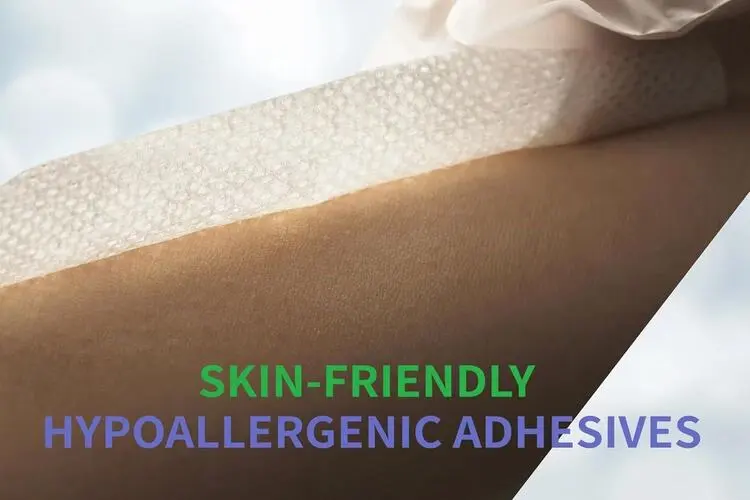
Post-Operative Care: Optimal Usage Guidelines
Selecting the Right Non Woven Dressing Pad
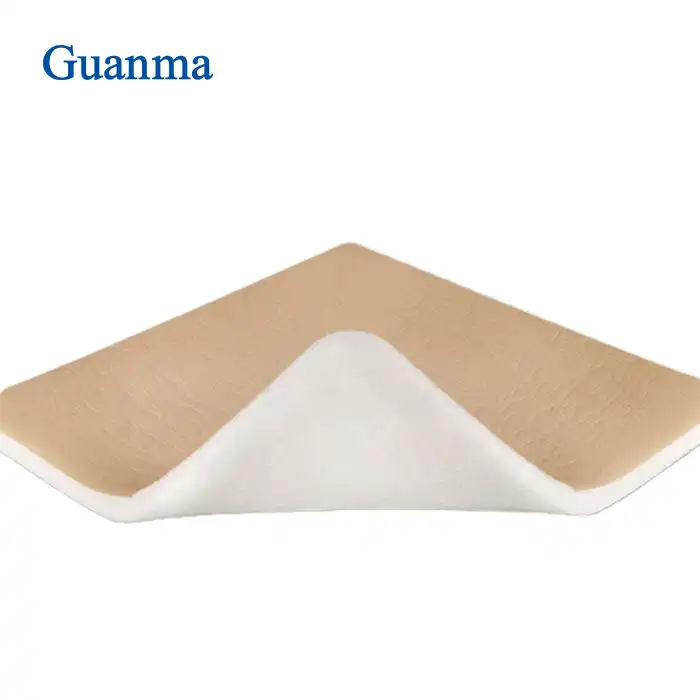
Choosing the appropriate non woven dressing pad is crucial for effective post-operative care. Surgeons and healthcare professionals must consider factors such as wound size, exudate level, and the specific surgical procedure performed. Non woven dressing pads come in various sizes and thicknesses, each designed to address different wound care needs. For instance, highly absorbent pads are ideal for wounds with heavy drainage, while thinner pads may be suitable for less exudative wounds. The selection process should also take into account the patient's skin sensitivity and any potential allergies. By carefully choosing the right non-woven dressing pad, healthcare providers can ensure optimal wound healing and minimize the risk of complications.
Proper Application Techniques
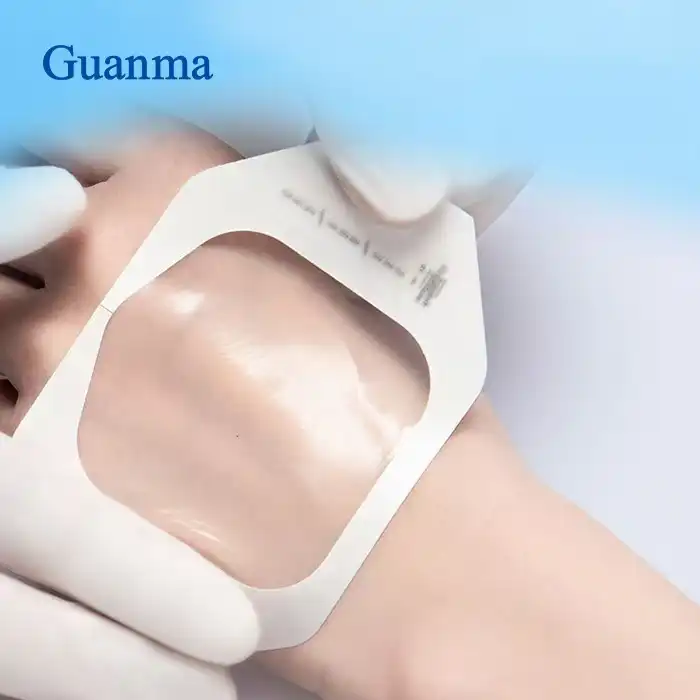
The correct application of non woven dressing pads is essential for maximizing their effectiveness in post-operative care. Healthcare professionals should follow a sterile technique when applying these dressings to prevent infection. The wound area should be thoroughly cleaned and dried before application. When placing the non woven dressing pad, ensure that it covers the entire wound with a slight overlap on the surrounding healthy skin. Secure the pad in place using appropriate medical tape or adhesive strips, taking care not to apply excessive pressure that could impede circulation. For larger wounds or those in challenging locations, consider using additional fixation methods to keep the dressing in place during patient movement.
Monitoring and Changing Dressings
Regular monitoring and timely changing of non woven dressing pads are critical aspects of post-operative care. Healthcare providers should establish a schedule for dressing changes based on the wound's characteristics and the patient's condition. Factors to consider include the amount of exudate, signs of infection, and the overall healing progress. During each dressing change, carefully assess the wound for any signs of complications, such as increased redness, swelling, or unusual odor. Document any observations and adjust the care plan as needed. Educate patients and caregivers on the importance of maintaining a clean environment during dressing changes and recognizing signs that may require immediate medical attention.
Transitioning to Home: Patient Education Essentials
Proper Dressing Change Techniques
As patients transition from hospital to home care, it's crucial to provide comprehensive education on proper dressing change techniques. Patients and their caregivers should be taught step-by-step procedures for safely removing old dressings, cleaning the wound area, and applying new non woven dressing pads. Emphasize the importance of hand hygiene before and after handling dressings to prevent infection. Demonstrate the correct way to dispose of used dressings and maintain a clean working area. Provide patients with visual aids or instructional videos to reinforce proper techniques. Encourage patients to practice changing dressings under supervision before leaving the healthcare facility to ensure they feel confident in managing their wound care at home.
Recognizing Signs of Complications
Educating patients on recognizing signs of potential complications is vital for successful home care. Teach patients to monitor their wounds for signs of infection, such as increased pain, redness, swelling, warmth, or unusual discharge. Explain the importance of checking for fever, which can indicate a systemic infection. Instruct patients to observe the amount and color of any drainage, as changes may signal healing progress or potential issues. Provide clear guidelines on when to seek medical attention, such as if the wound begins to separate or if there's a sudden increase in pain or bleeding. Encourage patients to keep a wound care journal to track their progress and any concerning symptoms.
Managing Pain and Discomfort
Effective pain management is crucial for patients recovering at home. Educate patients on proper pain assessment techniques and provide them with tools, such as pain scales, to accurately communicate their discomfort levels. Discuss appropriate pain management strategies, including the use of prescribed medications and non-pharmacological methods like repositioning and relaxation techniques. Explain how to use non woven dressing pads to minimize discomfort during dressing changes and daily activities. Teach patients about the importance of maintaining proper nutrition and hydration to support healing and manage pain. Encourage open communication with healthcare providers regarding any persistent or worsening pain to ensure timely interventions and adjustments to the care plan.
Long-Term Wound Management: Adapting Strategies
Customizing Dressing Protocols
Long-term wound management often requires adapting dressing protocols to meet changing needs. As wounds progress through different healing stages, the type and frequency of non woven dressing pad applications may need adjustment. Healthcare providers should regularly assess the wound's status and modify the dressing regimen accordingly. This may involve transitioning from highly absorbent pads to lighter dressings as exudate levels decrease. Consider incorporating specialized dressings, such as those with antimicrobial properties, for wounds at higher risk of infection. Tailor the dressing protocol to the patient's lifestyle and daily activities to ensure comfort and adherence. Collaborate with patients to develop a manageable wound care routine that fits their schedule and capabilities.
Integrating Advanced Wound Care Technologies
As wound healing progresses, integrating advanced wound care technologies can enhance the effectiveness of non woven dressing pads. Consider incorporating negative pressure wound therapy (NPWT) for complex or slow-healing wounds. NPWT can be used in conjunction with non woven dressing pads to promote faster healing and reduce the risk of infection. Explore the use of bioengineered skin substitutes or growth factor therapies to stimulate tissue regeneration in challenging cases. Evaluate the potential benefits of hyperbaric oxygen therapy for certain types of wounds, such as diabetic ulcers or radiation-induced tissue damage. Stay informed about emerging wound care technologies and assess their applicability to each patient's unique situation.
Addressing Psychosocial Aspects of Long-Term Wound Care
Long-term wound management extends beyond physical care to encompass psychosocial support. Recognize that patients dealing with chronic wounds may experience emotional challenges, including anxiety, depression, or social isolation. Implement strategies to address these issues, such as connecting patients with support groups or counseling services. Educate patients on body image concerns and provide resources for coping with the emotional impact of their wound. Encourage patients to maintain social connections and engage in activities they enjoy, adapting as necessary to accommodate their wound care needs. Regularly assess patients' quality of life and work collaboratively to address any psychosocial barriers to effective wound management.
Conclusion
Non woven dressing pads play a pivotal role in wound care, from post-operative settings to long-term management at home. Their versatility, absorbency, and ease of use make them an indispensable tool in promoting healing and preventing complications. As we've explored, successful wound management requires a comprehensive approach, encompassing proper selection and application techniques, patient education, and ongoing assessment and adaptation of care strategies. By embracing advanced technologies and addressing the psychosocial aspects of wound care, healthcare providers can significantly improve patient outcomes and quality of life. For more information on high-quality non woven dressing pads and other wound care products, please contact Guanma Medical at betty@guanmamedical.com.
FAQ
Q: How often should non woven dressing pads be changed?
A: The frequency of dressing changes depends on the wound type, exudate level, and healing progress. Generally, dressings should be changed every 1-3 days or when saturated.
Q: How do I know if my wound is infected when using non woven dressing pads?
A: Signs of infection include increased pain, redness, swelling, warmth, unusual odor, or fever. If you notice these symptoms, seek medical attention promptly.
Q: Are non woven dressing pads waterproof?
A: Standard non woven dressing pads are not waterproof. For water resistance, additional protective covers or specialized waterproof dressings may be required.
Q: Can I exercise with a non woven dressing pad in place?
A: Light exercise is often possible, but consult your healthcare provider for specific recommendations based on your wound location and healing stage.
References
1. Smith, J. D., & Johnson, A. M. (2019). Advances in Non Woven Dressing Technologies for Surgical Applications. Journal of Wound Care, 28(5), 245-252.
2. Brown, L. K., et al. (2020). Patient Education in Home Wound Care: A Systematic Review. International Journal of Nursing Studies, 105, 103512.
3. Garcia, R. T., & White, P. S. (2018). Long-Term Management of Chronic Wounds: A Comprehensive Approach. Wound Repair and Regeneration, 26(3), 328-335.
4. Thompson, C. L., & Davis, M. E. (2021). The Role of Non Woven Dressings in Post-Operative Care: A Meta-Analysis. Surgical Innovations, 28(2), 178-186.
5. Anderson, K. R., et al. (2017). Psychosocial Aspects of Wound Healing: Implications for Patient Care. Journal of Wound, Ostomy and Continence Nursing, 44(1), 55-62.
6. Lee, S. H., & Wilson, B. T. (2022). Integration of Advanced Technologies in Modern Wound Care: A Review. Advances in Skin & Wound Care, 35(4), 201-209.