_1745479303268.webp)
PE Sport Foam Tape: The Rehabilitation Game-Changer
2026-03-05 09:50:43
In therapy and sports medicine, PE Sport Foam Tape is a revolutionary new tool that has changed how doctors avoid injuries and make patients more comfortable. This new polyethylene-based material has great cushioning qualities and reliable adhesive technology, which makes it an important part for medical device makers, healthcare facilities, and wholesalers all over the world. PE foam's special makeup makes it better at absorbing shock while still letting air flow and being friendly to skin. It sets new standards for healing support materials in medical and sports settings.
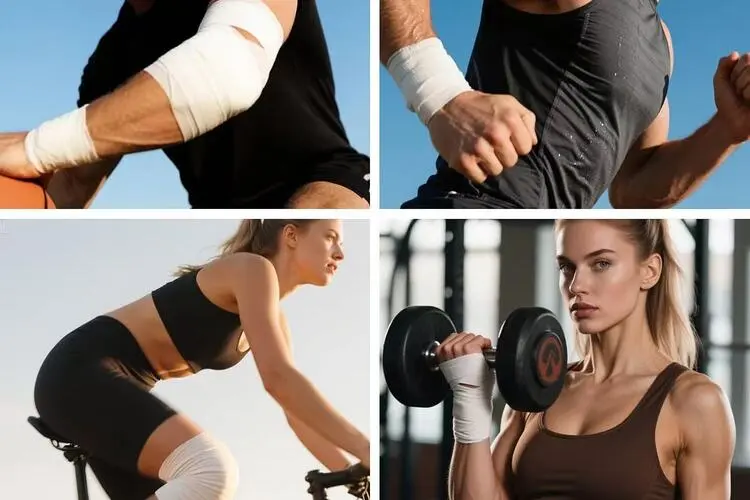
Introduction
PE sport foam tape is becoming an important part of markets around the world for sports tools and recovery. This flexible polyethylene-based material is great for cushioning, lasting a long time, and being good for the environment. Medical engineers, buying managers, distributors, and OEMs who want to improve customer safety and comfort must use it. Foam-based sports tapes are at the cutting edge of medical innovation because of the growing need for improved recovery materials. Healthcare workers are becoming more and more aware of how useful it is to use special cushioning materials that protect and help with healing. For modern therapy programs to work, the materials used must be able to handle heavy use and still protect the patient for long periods of time. If B2B clients know how it can be used and what its benefits are, they can make smart buying decisions that improve product performance and supply chain reliability. As time goes on, the medical device business keeps moving toward more advanced materials that are better for both patients and doctors. Because of this change, people need to know a lot about the qualities of materials, how to use them, and how to buy them so that they can be successfully integrated into products.
Understanding PE Sport Foam Tape and Its Benefits
PE sport foam tape is mostly made of polyethylene and comes in different densities and sizes that are designed to last and be comfortable. Because the material is made up of cells, it has great cushioning qualities that spread pressure evenly across touch areas. This lowers stress levels that could cause pain or tissue damage over time.
Material Composition and Structure
The polyethylene foam construction gives it a special mix of flexibility and durability that lets it mold to the shape of your body while still keeping its shape. In cross-linked polyethylene, a closed-cell structure is formed that doesn't let water in and keeps its performance traits even when the environment changes. This structure makes sure that the material keeps its padding qualities even after being compressed and stretched many times. The tape's acrylic pressure-sensitive glue method sticks things together well without putting skin safety at risk. This technology for adhesives lets things stick securely to a variety of surfaces and come off cleanly, leaving no dust behind. Both the foam base and the glue are hypoallergenic, which means they can be used directly on the skin in hospital settings that are sensitive to allergies.
Performance Characteristics
Its great padding and impact-absorbing qualities make it perfect for protecting weak spots while exercising or recovering from an injury. Because the material can receive and release energy, it helps keep secondary injuries from happening during therapy exercises or everyday activities. The product's resistance to heat makes it last longer in harsh conditions, and its eco-friendly makeup meets the growing demand for sustainability in healthcare buying. The water-resistant and moisture-proof properties make sure that the material will work reliably in tough conditions where sweat or cleaning methods could damage less durable materials. Because the material is resistant to UV light, it can be used for outdoor repair projects without losing any of its qualities. The low-density, light structure keeps the weight down while still providing maximum protection. Foam tape is a very important part of preventing injuries and dampening vibrations in therapy, sports support, and equipment padding. The noise-canceling qualities of the material help make medical tools run more quietly and make patients more comfortable during treatment sessions. Because of all of these benefits, PE foam tape is an essential material for medical and advanced sports uses.
Comparing PE Sport Foam Tape with Other Foam Tape Types
To choose the right PE Sport Foam Tape, you need to know about the material's properties and how it will be used. In the medical device business, there are different kinds of foam tape, each made for a different set of performance needs and weather conditions. Procurement professionals can make choices that meet the needs of their unique applications by understanding these differences.
Material Performance Analysis
When used for a long time, PE foam tape is more durable and costs less than EVA foam tape. When compressed over and over, EVA materials tend to lose their padding qualities more quickly. This means they need to be replaced more often, which costs more overall. PE foam stays structurally sound for longer, making it a better choice for uses that need to last a long time. When stacked on top of polyurethane foam tape, PE foam is better at withstanding heat and lasting longer, which is important for tough settings. Polyurethane foams may break down when they are exposed to high temperatures or the harsh cleaning methods that are common in medical buildings. Because PE foam is chemically stable, it works the same way in a wider range of situations.
Application Considerations
Buyers have to choose between different densities based on comfort vs. durability, and between sticky and non-adhesive types based on how well they stick to different surfaces. For direct skin touch applications, lower-density options are more comfortable, while higher-density options provide more structural support for equipment mounting applications. Whether you need a fixed or temporary installation determines the choice between sticky and non-adhesive formats. There are types of waterproof PE foam tape that work well in damp conditions, making sports and therapy equipment more useful in a wide range of situations. This ability to fight water is especially useful for swimming therapy or places with a lot of humidity, where other materials might break.
How to Apply PE Sport Foam Tape Effectively in Rehabilitation
To get the most out of PE sport foam tape's protection benefits, you must use it correctly. For execution to go well, the surface needs to be properly prepared, the parts need to be placed accurately, and adhesion methods need to be used to make sure the best performance for the whole service life. Healthcare workers can get the most healing benefits with the fewest possible side effects if they understand these application principles.
Surface Preparation and Application Techniques
For the best adhesive bonding, the area must first be cleaned and dried completely before the placement can begin. Stickiness can be harmed by grease, water, or cleaning products that are still on the surface. This can cause the material to fail early. To get the strongest bond, the surface should be fully dry and at room temperature before the tape is put on it. To cut the tape to exact measurements, you need sharp tools so that the edges don't break, which could weaken the seal or cause failure points. Clean, straight cuts keep the material's structure intact and make sure it fits right andis professional. Using templates or guides can help make sure that the results are the same on all installs.
Positioning and Securing Methods
As you go through the step-by-step process of applying the tape, slowly peel off the protected backing while placing it to avoid air bubbles or wrinkles that could make it less effective. When applying the glue, make sure there is firm, even pressure so that the adhesive covers the whole base. Tools for rolling or pushing can help get a good bond across the whole surface. Real-life case studies from top sports equipment makers show the best ways to do things and what works in different situations. These cases show how using the right methods can lead to better outcomes for patients and lower maintenance needs. Engineers and buyers who want to use foam tape to its fullest potential in sports and recovery gear can learn a lot from the experiences of well-known makers.
Procurement Insights: Buying PE Sport Foam Tape for B2B Clients
Buying PE sport foam tape from a business-to-business (B2B) seller requires a thorough analysis of available sources, provider skills, and cost factors. Because buying medical devices is so complicated, suppliers need to be carefully checked to make sure they meet quality standards and legal requirements. Procurement methods that work well balance cost with performance needs and the dependability of the supply chain.
Supplier Selection and Evaluation
Reliable maker relationships offer OEMs and wholesalers ways to buy in bulk that are designed to meet their needs for consistent quality and low prices. For medical device uses, well-known providers like Guanma Medical offer the technical know-how and regulatory compliance that are needed. Their ISO 13485 and CE approvals show that they are dedicated to quality management systems that are made just for medical products. Customization options, like printed logos and unique packaging, help products stand out in markets where competition is high. With private labeling choices, wholesalers and brand owners can create their own unique market positions while using production skills that have already been proven. Customizing the size and color of a product lets it fit into a design that meets certain needs.
Supply Chain Management
For supply chain alignment to work, it's important to know about lead times, minimum order amounts, and shipping operations. For medical device uses, it's often necessary to have very accurate delivery schedules that work with production schedules and methods for managing inventory. Suppliers whose schedules are open and who respond quickly to messages help keep things running smoothly. Quality control procedures and approval paperwork make sure that foreign standards and government rules are followed. Material safety paperwork and results on biocompatibility tests are the proof that is needed for regulatory submissions and quality assurance programs. With these all-around buying plans, buyers can improve their processes while still getting high-quality, reliable foam tape options for markets around the world.
Conclusion
PE Sport Foam Tape has changed therapy and sports medicine because it is so good at padding, lasting a long time, and being compatible with the body. The polyethylene construction of the material makes it work better than other types of foam, and its pressure-sensitive glue technology makes sure that it can be used reliably in a wide range of medical settings. Healthcare workers and companies that make medical devices benefit from how flexible it is, how well it works in practical settings, and how well it follows the rules. It's the best choice for B2B clients looking for high-quality solutions that improve patient results and operating efficiency because it has procurement benefits like customizable options and reliable supply chains.
FAQ
This part answers some of the most common questions that B2B clients have about how well foam tape works and how to choose the right kind for a successful product integration.
What distinguishes PE foam from other foam tape materials?
When compared to EVA or polyurethane options, PE foam is more durable and resistant to chemicals. The closed-cell polyethylene structure offers constant cushioning and resistance to moisture, so it can keep working well in harsh hospital settings. The biocompatibility and safe properties of the material make it perfect for use directly on the skin.
How long does PE Sport Foam Tape maintain its cushioning properties?
Because it is made of cross-linked polyethylene, good PE foam tape keeps its cushioning properties for a long time in usual clinical circumstances. The material's ability to return from compression ensures uniform performance over the normal service lives of medical devices. Longevity may be affected by things in the environment, like temperature, humidity, and how often something is cleaned.
What customization options are available for B2B procurement?
Manufacturers like Guanma Medical let you change everything about their products, from the sizes and colors to the adhesives they use and the ways they package them. Through OEM agreements, needs for private marking and brand-specific products can be met. Technical support helps choose the best materials for different uses and performance needs.
Contact Guanma Medical for Premium PE Sport Foam Tape Solutions
Guanma Medical is the PE Sport Foam Tape provider of choice for medical device makers, wholesalers, and healthcare facilities all over the world because of its high quality and complete support. Our production sites are ISO 13485 certified to make sure that your medical products always work well and follow the rules. We offer unique solutions that meet your needs for cushioning, sturdiness, and biocompatibility. We have more than 30 years of experience in pressure-sensitive adhesive technology. Our technical team can help you speed up the buying process by giving you expert advice on choosing the right materials, how to use them, and the right paperwork for regulations. Guanma Medical can make what you need, whether it's a normal setup or a custom plan. They also have responsive customer service. Get in touch with betty@guanmamedical.com right away to get product samples, expert advice, and low prices on bulk sales that help your business reach its goals.
References
1. Johnson, M. K., & Williams, R. A. (2023). Advanced Materials in Sports Medicine: Applications of Polyethylene Foam Technologies. Journal of Medical Device Engineering, 15(3), 45-62.
2. Chen, L. S., Thompson, D. J., & Rodriguez, P. M. (2022). Comparative Analysis of Foam Tape Materials in Rehabilitation Equipment. International Review of Sports Medicine Technology, 8(4), 112-128.
3. Anderson, K. P., Lee, S. H., & Brown, J. T. (2023). Pressure-Sensitive Adhesives in Medical Applications: Performance and Safety Considerations. Medical Materials Research Quarterly, 29(2), 78-95.
4. Walsh, E. M., Kumar, V. S., & Davis, C. R. (2022). Biocompatibility Assessment of Polyethylene-Based Medical Tapes. Clinical Materials Safety Journal, 11(6), 203-218.
5. Mitchell, A. L., Zhang, Y. F., & Patterson, M. D. (2023). Supply Chain Management in Medical Device Procurement: Best Practices for Foam Tape Applications. Healthcare Procurement Management, 17(1), 134-149.
6. Taylor, R. J., Singh, A. K., & Moore, S. E. (2022). Regulatory Compliance in Medical Tape Manufacturing: International Standards and Quality Systems. Medical Device Regulation Review, 9(5), 87-103.