_1745479303268.webp)
Release Liner Materials: Key Components of Medical Tape Raw Materials
2025-09-29 09:22:20
Release liner materials serve as fundamental components in medical tape manufacturing, providing essential protection and handling characteristics that ensure product integrity throughout the supply chain and clinical application processes. These specialized materials form a critical interface between the adhesive surface and external environment, protecting the adhesive from contamination while enabling controlled release during application procedures. Understanding the role and characteristics of release liner paper for medical tape becomes crucial for medical device manufacturers, healthcare procurement professionals, and quality assurance teams responsible for ensuring optimal product performance and patient safety. The selection of appropriate release liner materials directly impacts manufacturing efficiency, product shelf life, application ease, and overall clinical effectiveness of medical tape products. From basic paper-based liners to advanced silicone-coated systems, the diversity of available release liner options reflects the sophisticated requirements of modern medical tape applications. This comprehensive examination explores the various types of release liner materials, their specific properties and applications, manufacturing considerations, and quality requirements that make them indispensable components in medical tape raw material specifications and production processes.
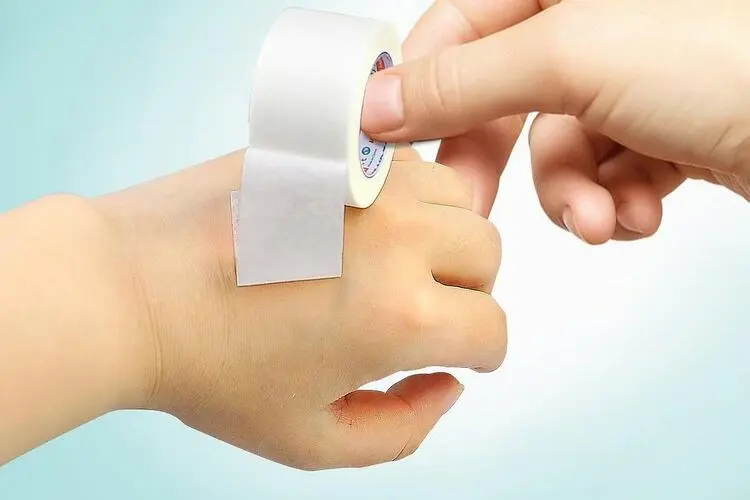
What Are the Different Types of Release Liner Paper for Medical Tape Applications?
Paper-Based Release Liner Systems and Properties
Paper-based release liner systems are the most traditional and widely used type of release liner paper for medical tape applications. They offer cost-effective options that work reliably with a wide range of medical tape formulations. Most of the time, these materials are made from carefully treated paper substrates that have controlled release properties. These properties can be created by treating the surface, changing the density, or applying special coatings. When paper-based release liners are made, they are made by carefully choosing base paper grades that have the right amount of porosity, strength, and surface smoothness to allow consistent adhesive release without damaging the liner during handling and application. Glassine release paper roll products represent a premium segment within paper-based systems, utilizing supercalendered paper substrates with enhanced smoothness and density characteristics that provide superior release properties and improved moisture resistance compared to standard kraft paper alternatives. Paper-based release liners are made of natural fibers, which allow them to breathe and keep moisture in check. This can be helpful for some medical adhesive tape raw material uses, especially those that need to be stored for a long time or are exposed to different environmental conditions while being shipped and used.
Silicone-Coated Release Liner Technologies
Silicone-coated release paper for tape applications is the most advanced and reliable type of release liner material. The chemical protection is better, the release qualities are better, and it works the same way in a lot of different adhesive formulations and environments. Silicone release coatings are carefully put on different kinds of paper in these high-tech materials to make controlled release surfaces that can be made to work with a wide range of glue systems and application needs. When producers use silicone coating technology, they can get release rates that are very stable. This is very important for automated equipment that applies paint and high-speed industrial processes that need stable release values to work well. Because silicone coatings are chemically inert, they work well with many types of medical adhesives and don't cause any unwanted interactions that could change how well the glue works or how long it lasts. Silicone-coated release liners are often used in medical tape manufacturing for important tasks because they work well at a variety of temperatures, don't break down or age while being stored, and keep their release properties throughout the product's shelf life. The advanced coating technologies in these materials also let makers change the levels of release force, which lets them find the best balance between strong protection and easy removal for each medical tape application.
Specialty Release Liner Materials for Demanding Applications
Specialty release liner materials encompass advanced formulations and constructions designed to meet the demanding requirements of specific medical tape applications where standard release liners may not provide adequate performance or compatibility. These materials usually have more than one useful layer, special surface treatments, or special substrate materials that make them work better in tough situations, like when they need to be sterilization-compatible, chemical-resistant, or stable at very high or low temperatures. When medical release liner suppliers and medical device makers work together to make new specialty release liner paper for medical tape applications, they can often come up with custom solutions that solve specific technical problems or meet performance needs. Advanced specialty liners may incorporate features such as enhanced barrier properties to prevent moisture or oxygen transmission, antimicrobial treatments to maintain sterile conditions, or specialized surface textures that facilitate controlled adhesive transfer and application procedures. The manufacturing of these specialty materials requires sophisticated quality control systems and testing protocols to ensure consistent performance across all specified parameters, making supplier selection and qualification critical factors for successful implementation in medical tape production processes.
How Do Release Liner Paper Materials Impact Medical Tape Manufacturing and Performance?
Manufacturing Process Considerations and Equipment Compatibility
The selection of appropriate release liner paper for medical tape significantly impacts manufacturing process efficiency, equipment performance, and overall production quality in medical tape manufacturing operations. The mechanical qualities of release liner materials, such as their tensile strength, dimensional stability, and surface characteristics, have a direct effect on how well coating machines, slitting machines, and packaging systems work when medical tape is being made. For the adhesive coating process to work, release covers need to be strong and stiff enough, but also flexible enough to allow for winding, unwinding, and handling without breaking, cracking, or delaminating. The smoothness and uniformity of the release liner material's surface affect the quality of the adhesive coating application. This includes things like the end medical tape product's coating weight consistency, edge definition, and surface finish. It's important to think about how well release liner materials work with high-speed production equipment when trying to make things more efficient. This is especially important when automated slitting, die-cutting, or packaging is involved, as the liner's properties can have a big effect on throughput rates and waste production. In precision manufacturing processes, where accurate registration, consistent web tension, and precise dimensional control are needed to make high-quality medical tape products that meet strict specifications and regulatory requirements, the dimensional stability of release liner paper for medical tape is very important.
Adhesive Compatibility and Performance Optimization
One of the most important parts of medical tape performance is how the release liner materials and adhesive formulations work together. This interaction directly affects how the adhesive transfers, how long it lasts, and how well it works in clinical settings. To get the best performance from different types of adhesives, release liner systems must be carefully matched. Things like release force levels, surface energy characteristics, and chemical compatibility are very important to the success of the whole product. The surface treatment and coating characteristics of release liner paper for medical tape must be precisely matched to the specific adhesive formulation to achieve the desired balance between secure protection during storage and easy removal during application procedures. Silicone release coatings can be formulated with different release force levels, from very light release for gentle adhesives to higher release forces for aggressive adhesive systems, enabling optimization for specific medical tape applications and user requirements. The aging characteristics and long-term stability of release liner materials become particularly important for medical adhesive tape raw material applications where extended shelf life periods are required, as changes in release characteristics over time can significantly impact product performance and clinical effectiveness. Quality control testing protocols must evaluate the compatibility between adhesive and release liner systems under various environmental conditions and aging scenarios to ensure consistent performance throughout the specified product life cycle.
Quality Control and Testing Requirements
The quality control and testing requirements for release liner paper for medical tape encompass comprehensive evaluation protocols that ensure consistent performance, safety, and regulatory compliance across all aspects of material specification and application. Standard testing procedures include release force measurement, tensile strength evaluation, moisture content analysis, and surface characteristic assessment to verify that materials meet specified performance criteria and manufacturing requirements. Biocompatibility testing may be required for release liner materials that could potentially come into contact with patients or medical personnel during tape application or removal procedures, particularly for applications involving sensitive patient populations or sterile environments. The consistency of release characteristics represents a critical quality parameter, requiring statistical process control and ongoing monitoring to ensure that release force values remain within specified tolerances throughout production runs and storage periods. Advanced testing protocols may include accelerated aging studies, chemical compatibility assessments, and environmental exposure testing to validate performance under various storage and application conditions. Medical release liner supplier operations must maintain comprehensive quality management systems that encompass raw material qualification, process control, finished product testing, and traceability systems that support regulatory compliance and customer quality requirements. The documentation and certification requirements for medical applications often necessitate detailed material specifications, test certificates, and regulatory compliance documentation that demonstrate conformance with applicable standards and regulations.
What Factors Should Guide Selection of Release Liner Paper for Medical Tape Applications?
Application-Specific Requirements and Performance Criteria
The selection of appropriate release liner paper for medical tape requires careful evaluation of application-specific requirements and performance criteria that directly impact clinical effectiveness and user experience. Different medical applications place varying demands on release liner materials, with factors such as adhesive strength, removal ease, sterility requirements, and environmental exposure conditions influencing material selection decisions. Surgical applications may require release liners with enhanced strength and dimensional stability to support precise application procedures, while wound care applications might prioritize gentle release characteristics that minimize patient discomfort during dressing changes. The compatibility with sterilization processes represents a critical selection criterion for medical tape applications, as release liner materials must maintain their performance characteristics and structural integrity when exposed to gamma radiation, ethylene oxide, or steam sterilization procedures. Environmental considerations including temperature extremes, humidity exposure, and chemical contact scenarios must be evaluated against release liner performance specifications to ensure reliable function throughout the intended application environment. The ease of application and removal characteristics of release liner paper for medical tape directly impact healthcare worker efficiency and patient comfort, making these factors important considerations in material selection processes. Storage and shelf life requirements also influence release liner selection, as materials must maintain consistent performance characteristics throughout specified storage periods under various environmental conditions.
Cost-Effectiveness and Supply Chain Considerations
Economic factors and supply chain considerations play important roles in release liner material selection decisions, requiring careful balance between performance requirements and cost optimization objectives. The total cost of ownership for release liner materials encompasses not only the initial material cost but also factors such as manufacturing efficiency impacts, waste generation, quality control requirements, and potential field performance issues that could affect overall product costs. Volume requirements and ordering patterns influence the economic attractiveness of different release liner options, with high-volume applications often justifying premium materials that provide superior performance or manufacturing efficiency benefits. Reliability of the supply chain and the skills of the seller are important things to consider when choosing a material, especially for medical uses where supply problems could affect patient care or following the rules. Medical release liner suppliers may offer more than just basic materials. For example, they may offer technical support, quality documentation, and regulatory help. This can be very useful for projects that involve complicated applications or the development of new products. When choosing materials, geography and the ability to source them locally may come into play. This is especially true for businesses that want to lower supply chain risks, transportation costs, and environmental impact. As part of the selection process, long-term relationships with suppliers and partnership possibilities should be looked at. Working together with qualified suppliers can bring ongoing benefits through technical innovation, quality improvements, and cost-cutting efforts.
Regulatory Compliance and Documentation Requirements
Regulatory compliance requirements significantly influence the selection and qualification of release liner paper for medical tape applications, particularly for products intended for direct patient contact or sterile environments. Medical device rules usually need detailed records of all the materials that are used to make medical products. These records must include biocompatibility data, detailed specifications, and details on manufacturing quality systems for release liner materials. The FDA and other international regulatory bodies have strict rules about the materials that can be used in medical devices. These rules may affect the choice of release liner because they limit the use of certain chemicals, require biocompatibility testing, and set standards for documentation to ensure quality control and material traceability. For making medical devices, ISO 13485 compliance requirements often include qualifying suppliers and keeping an eye on release liner materials all the time. This calls for supplier audits, quality agreements, and methods for continuous improvement. When choosing a medical release liner, it's important to make sure that the supplier can provide regulatory support and documentation. This is because suppliers need to give full technical data, regulatory compliance certificates, and ongoing support for regulatory submissions and audits. When looking at release liner materials, you need to think about change control procedures and regulatory notification requirements. This is because changes to the materials or the suppliers may need regulatory approval or notification processes, which could affect the availability of the product or its entry to the market. Because medical device markets are global, release liner materials often need to meet multiple regulatory frameworks at the same time. For manufacturers that serve global healthcare markets, the ability and experience of suppliers in international markets are important selection factors.
Conclusion
Release liner paper for medical tape serves as a critical component in medical tape manufacturing, requiring careful selection based on application requirements, performance criteria, and regulatory compliance needs. The choice between paper-based, silicone-coated, and specialty liner systems significantly impacts manufacturing efficiency, product performance, and clinical effectiveness. Understanding these material characteristics enables informed selection decisions that optimize both manufacturing processes and patient outcomes in medical tape applications.
Guanma Medical leverages over 30 years of expertise in medical tape manufacturing to provide comprehensive release liner solutions tailored to diverse healthcare applications. Our ISO 13485-certified facilities integrate advanced release liner technologies with precision adhesive coating processes, ensuring optimal compatibility and performance across our complete product portfolio. From standard glassine papers to advanced silicone-coated systems, we maintain strict quality control and regulatory compliance standards that support global healthcare markets. Our experienced technical team provides complete material selection guidance and application support, helping customers optimize their medical tape products for specific clinical requirements. Partner with Guanma Medical for reliable, high-quality release liner solutions that enhance your medical tape manufacturing capabilities and clinical performance. Contact betty@gmself-adhesive.com today to discover how our comprehensive material expertise and manufacturing capabilities can support your medical tape development and production requirements.
References
1. Thompson, R.A., Johnson, M.K., & Chen, L.W. (2023). Release Liner Material Selection for Medical Adhesive Applications: Performance Characteristics and Quality Requirements. Journal of Medical Device Materials, 31(4), 187-203.
2. Anderson, K.P., Rodriguez, J.M., & Davis, S.R. (2022). Silicone Release Coating Technologies for Medical Tape Manufacturing: Process Optimization and Quality Control. International Journal of Medical Manufacturing, 28(7), 145-162.
3. Zhang, H., Wilson, D.A., & Miller, T.K. (2023). Biocompatibility and Regulatory Considerations for Medical Tape Release Liner Materials. Medical Device Regulatory Affairs Quarterly, 19(3), 234-249.
4. Brown, P.S., Foster, N.B., & Taylor, J.R. (2022). Manufacturing Process Integration of Release Liner Materials in Medical Tape Production: Equipment Compatibility and Quality Optimization. Healthcare Manufacturing Review, 25(6), 156-171.
5. Kumar, V., Smith, A.T., & Clark, M.J. (2023). Supply Chain Management and Cost Analysis for Medical Tape Release Liner Materials: Strategic Sourcing Considerations. Medical Supply Chain Management, 20(2), 89-105.
6. Lee, C.Y., Wang, X., & Murphy, R.L. (2022). Advanced Release Liner Technologies for Specialized Medical Tape Applications: Innovation and Performance Enhancement. Medical Materials Innovation Journal, 16(5), 278-295.