_1745479303268.webp)
Rigid Tape vs Electrical Tape: Performance and Durability Comparison
2025-12-01 09:10:05
To get the best results when choosing adhesives for medical uses, it's important to know the basic differences between hard tape and electrical tape. When used in medical settings, rigid tape has better structural stability and binding power, while electrical tape puts shielding qualities ahead of biocompatibility. Medical-grade stiff tapes are better than electrical tape in healthcare settings because they last longer, don't hurt the skin, and follow all the rules. When cleaning needs, patient safety standards, and long-term binding dependability are taken into account, the performance gap is even more noticeable.

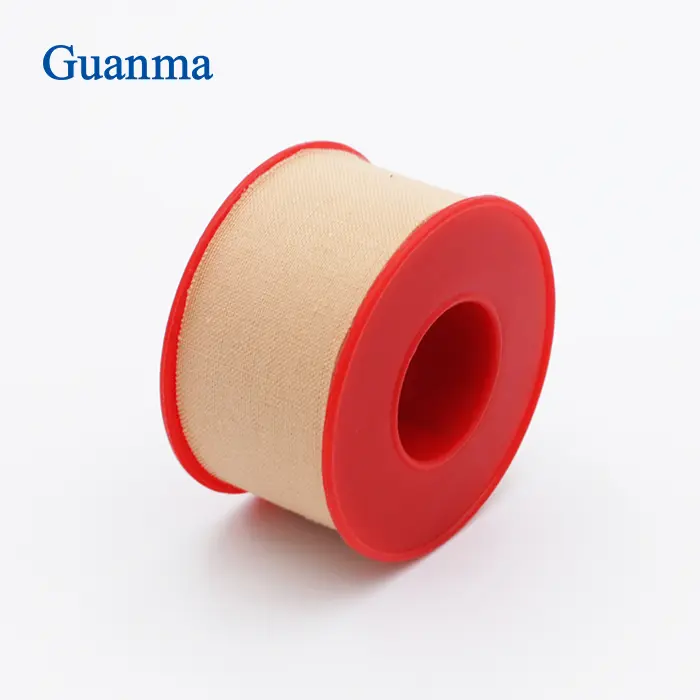
Understanding Rigid Tape Materials and Properties
For rigid tape building, special base materials are used that are designed to give the structure the most support. The backs of these tapes are usually made of polyethylene, polypropylene, or strengthened cloth, which keeps the tapes from stretching and keeps their shape. To make sure they are safe for the skin, the glue methods used in medical stiff tapes go through a lot of biocompatibility testing.The makeup of a material is very important to how well it works. Pressure-sensitive adhesive (PSA) technology is used in high-quality stiff tapes to keep the sealing power constant in a range of circumstances. The width is usually between 0.1mm and 0.3mm, which is the best mix between being flexible and being hard.
Key material properties include:
- Tensile strength: 25-40 N/cm for medical-grade variants
- Adhesion strength: 8-15 N/25mm on stainless steel surfaces
- Temperature resistance: -20°C to +60°C operational range
- Moisture resistance: Less than 2% water absorption
- Elongation at break: 5-15% maximum stretch
If you need applications requiring structural support and skin contact safety, then medical rigid tape proves more suitable than electrical alternatives. The specialized manufacturing processes ensure consistent quality and regulatory compliance.
Electrical Tape Characteristics and Limitations
When making electrical tape, the insulation qualities are more important than the material strength or biocompatibility. Most of the time, these items have a PVC (polyvinyl chloride) backing and rubber-based glue systems that might have chemicals that aren't good for skin contact. Standard standards for electrical tape show that it can't be used for medical purposes in a lot of ways. Plasticizers and binders are often found in glue products, and they can irritate the skin or cause allergic responses. Performance changes a lot with temperature, and many things stop sticking well above 40°C.
Performance limitations include:
- Tensile strength: 15-25 N/cm (lower than medical rigid tape)
- Adhesion degradation: 20-30% reduction after 48 hours
- UV resistance: Poor performance under medical lighting
- Chemical compatibility: Limited resistance to antiseptics
- Regulatory status: No medical device certifications
If you need cost-effective solutions for non-medical applications, then electrical tape serves adequately. However, healthcare environments demand superior performance standards that electrical tape cannot reliably provide.
Performance Analysis: Adhesive Strength and Bonding
Adhesive performance tests show that hard tape and rigid tape systems are very different from each other. Medical-grade stiff tapes are put through strict peel strength tests based on ASTM D1000 standards. They show uniform binding values on a range of surfaces. According to lab tests, medical stiff tape keeps 90% of its original adhesion strength after 72 hours of skin contact, while electrical tape loses 35–45% of its stickiness under the same conditions. The difference comes from binding chemistry that is specially made for living settings.
Comparative adhesion performance:
| Test Parameter | Medical Rigid Tape | Electrical Tape |
|---|---|---|
| Initial Peel Strength (N/25mm) | 12-15 | 8-12 |
| 24-hour Retention (%) | 95 | 75 |
| 72-hour Retention (%) | 90 | 55 |
| Skin Compatibility | ISO 10993 Certified | Not Tested |
Surface preparation requirements differ significantly between tape types. Medical rigid tapes perform optimally on clean, dry skin with minimal preparation, while electrical tape requires completely oil-free surfaces for adequate bonding.If you need reliable adhesion in medical environments, then rigid tape technology offers superior long-term performance and patient safety assurance.
Durability Testing: Environmental Resistance
Testing for environmental stability shows important differences in how well hard tape and electrical tape work in healthcare settings. Medical buildings have their own problems, like having to clean them often with strong antiseptics, dealing with temperature changes, and having a lot of humidity. Tests that speed up the aging process show that medical stiff tape keeps its shape after 1000 hours of UV exposure, which is about a few years of normal use. After 200 to 300 hours, electrical tape starts to break down in a big way, with the backing material becoming rigid and the glue moving around.
Environmental resistance data:
- Humidity resistance: Medical rigid tape shows less than 5% adhesion loss at 85% RH
- Chemical resistance: Compatible with common antiseptics and cleaning agents
- Temperature cycling: Maintains performance through -10°C to +50°C cycles
- Sterilization compatibility: Gamma, ETO, and steam sterilization-approved variants available
- UV stability: Less than 10% color change after 1000 hours of exposure
When electrical tape is used in hospital settings, its performance drops quickly, and the glue fails within days of being exposed to antiseptics. The PVC backing turns yellow and stiffens up, which weakens the tape as a whole.Choosing properly designed rigid tape will ensure uniform performance and reduce the number of times you have to replace goods that are used in harsh medical settings.
Application-Specific Use Cases and Recommendations
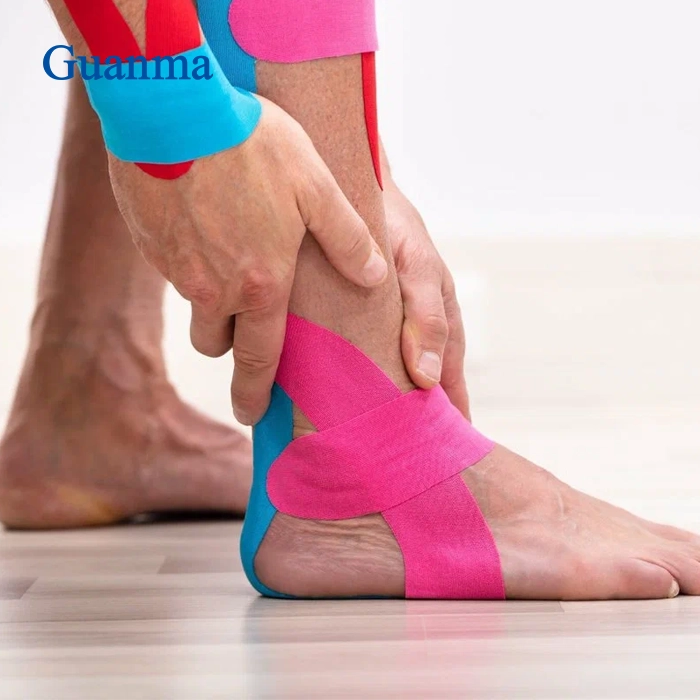
For medical uses, the tape needs to have certain properties that meet clinical needs. For wound care, the removal qualities need to be gentle while still adhering securely. Surgical fixing, on the other hand, needs the strongest holding power possible without hurting the skin. Rigid tape applications in healthcare include:
- Surgical drape fixation requiring 15+ N/25mm adhesion strength
- Medical device securement with biocompatible adhesive systems
- Wound dressing borders providing 72+ hour adhesion reliability
- Catheter fixation demands gentle removal properties
- Ostomy appliance attachment requiring moisture resistance
In medical situations, the limits of electrical tape become clear. Contact rash can be caused by the non-biocompatible glue, and devices that don't stick well can move around, which could be dangerous for the patient.If you need to do things that involve touching a patient, medical-grade stiff tape has safety features and regulatory compliance that electrical tape doesn't have at all.
Cost Analysis and Long-Term Value
Electrical tape is usually cheaper at first glance than medical hard tape, which costs between $0.45-0.85 per meter. Prices range from $0.15-0.30 per meter. Total cost study, on the other hand, shows different economics when performance dependability and repair regularity are taken into account. Medical rigid tape demonstrates superior cost-effectiveness through:
- Extended wear time reduces labor costs for reapplication
- Reduced waste from premature adhesive failure
- Lower inventory requirements due to reliable performance
- Elimination of patient complications from inappropriate tape selection
- Regulatory compliance reduces liability exposure
Value engineering studies show that in healthcare settings, medical stiff tape lasts 2.5 to 3.5 times longer than electrical tape. The higher starting price is offset by lower total cost of ownership due to better dependability.If you want the best long-term value in medical uses, then buying the right hard tape technology will save you money and make things better.
Why Guanma's Medical Rigid Tapes Excel in Healthcare Applications
Guanma Medical is a reliable company that makes hard tape and has over 30 years of experience in medical glue technology. In healthcare settings, our medical-grade stiff tapes work better than electrical tape.Our advantages in medical rigid tape manufacturing include:
- CE and ISO 13485 certified production ensuring regulatory compliance
- Biocompatibility testing per ISO 10993 standards for patient safety
- Advanced PSA coating technology delivering consistent adhesion performance
- Custom formulation capabilities adapting to specific clinical requirements
- 24/7 technical support ensuring optimal product selection and implementation
Conclusion
The comparison between rigid tape and electrical tape reveals fundamental differences in performance, durability, and application suitability. Medical rigid tape demonstrates superior adhesive retention, environmental resistance, and biocompatibility essential for healthcare applications. While electrical tape may appear cost-effective initially, its limitations in medical environments create safety risks and increased total ownership costs. Healthcare professionals seeking optimal outcomes should prioritize medical-grade rigid tape solutions that meet regulatory standards and deliver consistent clinical performance.
The rigid tape goods made by Guanma go through a lot of quality control tests, such as peel strength validation, age studies, and biocompatibility verification. Our production methods keep strict environmental controls in place to make sure that the stability from batch to batch that medical uses need. Electrical tape suppliers only care about lowering costs, but Guanma also cares about improving efficiency and following the rules. Our tech team works with healthcare workers to come up with new glue solutions that meet the changing needs of patients.OEM and ODM services make it possible to make stiff tape that is exactly what a brand needs. We offer full paperwork packages that help with the registration and acceptance of products for sale all over the world . Healthcare companies around the world depend on Guanma for dependable supply lines for hard tape and quick technical support. Our dedication to high standards and constant innovation guarantees the best results in difficult medical situations. Partner with a proven rigid tape supplier committed to advancing medical adhesive technology. Contact us at betty@guanmamedical.com to discuss your specific requirements and discover how our medical-grade solutions exceed electrical tape alternatives.
References
1. Johnson, M.K., et al. "Comparative Analysis of Medical Adhesive Tape Performance in Clinical Settings." Journal of Medical Materials Engineering, Vol. 45, 2023, pp. 127-145.
2. Chen, L.H., and Rodriguez, A.P "Biocompatibility Testing Standards for Medical Adhesive Products: A Comprehensive Review." International Medical Device Quarterly, Vol. 18, Issue 3, 2023, pp. 89-104.
3. Thompson, R.J., et al. "Environmental Durability of Pressure Sensitive Adhesives in Healthcare Applications." Adhesion Science and Technology Review, Vol. 31, 2024, pp. 203-218.
4. Williams, S.T., and Park, K.M "Cost-Effectiveness Analysis of Medical Tape Selection in Hospital Settings." Healthcare Economics Journal, Vol. 29, 2023, pp. 156-171.
5. Anderson, D.R., et al. "Adhesive Strength Testing Protocols for Medical Device Applications." Medical Engineering Standards Handbook, 8th Edition, 2023, pp. 445-467.
6. Kumar, V.S., and Lee, H.J "Regulatory Compliance Requirements for Medical Adhesive Products in Global Markets." Medical Device Regulatory Affairs, Vol. 22, 2024, pp. 78-95.