_1745479303268.webp)
Silicone Scar Tape: Your Secret Weapon Against Hypertrophic Scars
2025-08-15 17:03:48
Scars are a natural part of the healing process, but for many, they can be a source of physical discomfort and emotional distress. Hypertrophic scars, in particular, can be challenging to manage and treat effectively. Enter silicone scar tape – a revolutionary solution that has been gaining traction in the medical community and among patients alike. This innovative product offers a non-invasive, cost-effective approach to scar management, providing hope for those seeking to improve the appearance and texture of their scars. In this comprehensive guide, we'll explore the science behind silicone scar tape, its benefits, and why it's becoming the go-to choice for treating hypertrophic scars. Whether you're a medical professional looking for the latest advancements in scar treatment or someone dealing with scars personally, this article will shed light on how silicone scar tape can be your secret weapon in the battle against hypertrophic scars.
What Are Hypertrophic Scars and How They Form?
Understanding Hypertrophic Scars
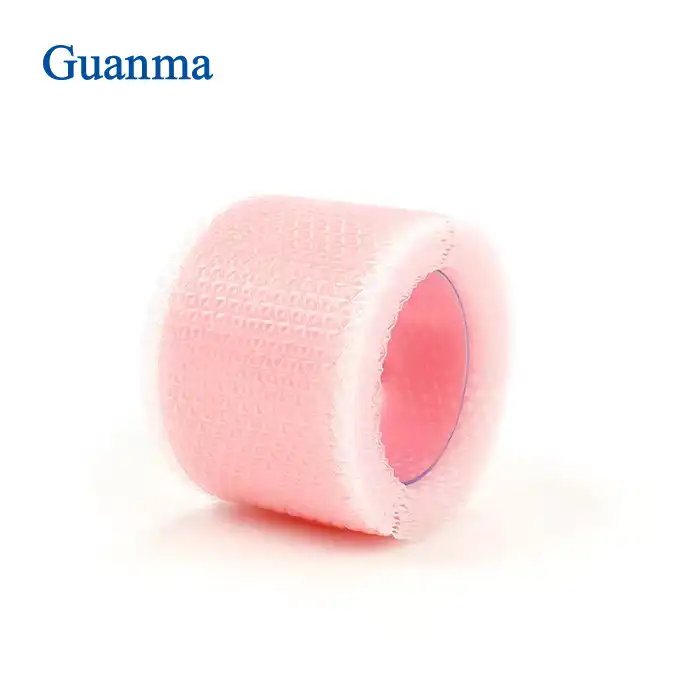
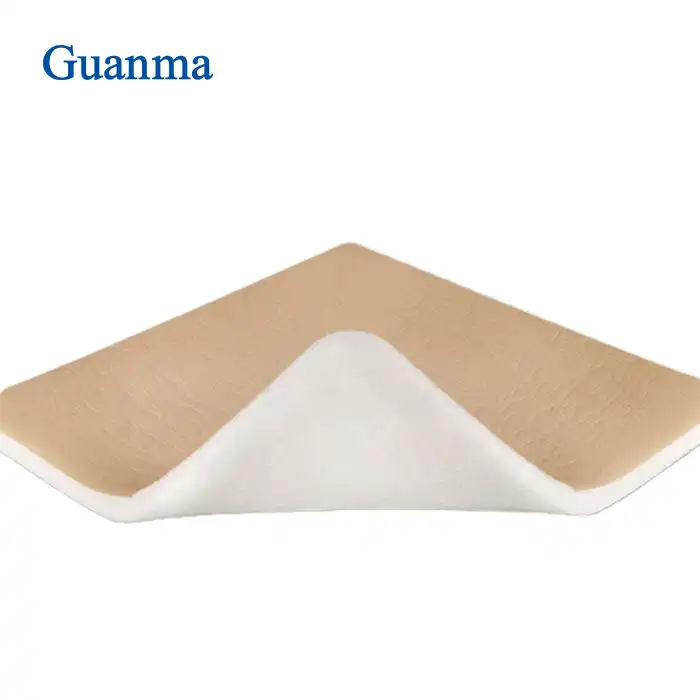
Hypertrophic scars are raised, thickened areas of skin that develop as a result of an overproduction of collagen during the healing process. Unlike normal scars, which typically flatten and fade over time, hypertrophic scars can persist for months or even years. These scars are characterized by their red or purple color, firm texture, and tendency to remain within the boundaries of the original wound. Silicone scar tape has proven to be an effective treatment for these types of scars, as it helps to regulate collagen production and promote proper healing. By creating a protective barrier over the scar, silicone scar tape maintains an optimal environment for scar remodeling, reducing the likelihood of excessive collagen formation and improving the overall appearance of the scar.
The Biological Process Behind Scar Formation
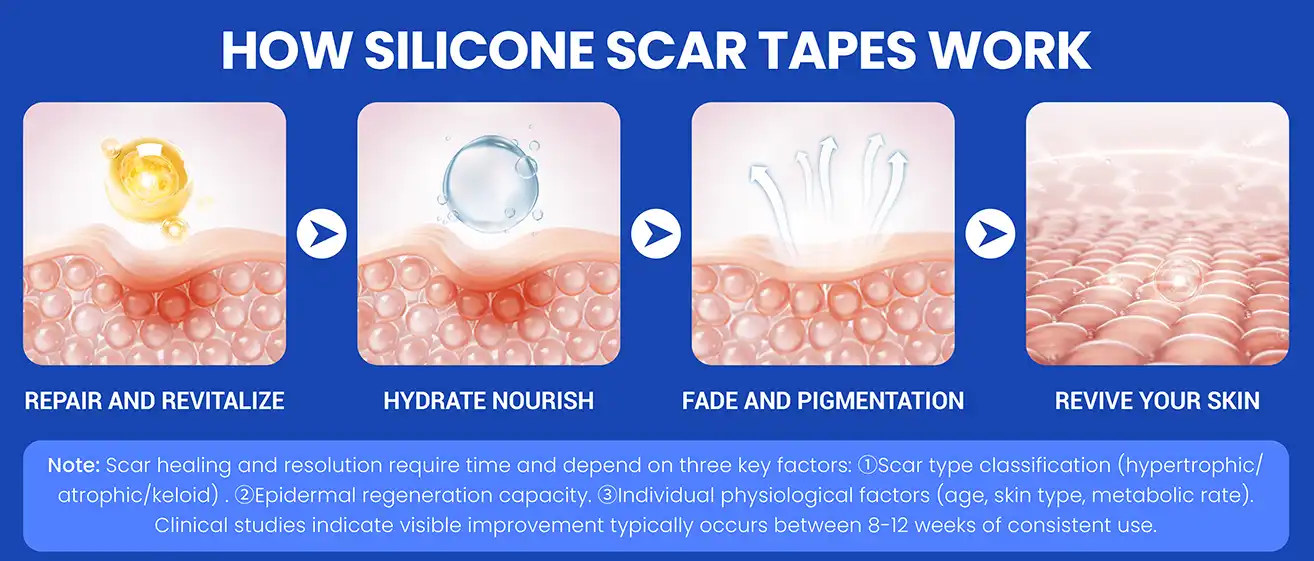
The formation of hypertrophic scars is a complex biological process that involves several stages of wound healing. When the skin is injured, the body initiates an inflammatory response, followed by the formation of new tissue. In some cases, this process goes into overdrive, leading to an excess of collagen production. This overproduction results in a raised, thick scar that can be both unsightly and uncomfortable. Silicone scar tape works by modulating this process, helping to normalize collagen synthesis and breakdown. The occlusive properties of the silicone create a moist environment that promotes balanced healing, while also providing hydration to the scar tissue. This balanced approach is what makes silicone scar tape so effective in managing hypertrophic scars, as it addresses the root cause of their formation rather than just treating the symptoms.
Risk Factors for Hypertrophic Scarring
Several factors can increase the likelihood of developing hypertrophic scars. These include genetic predisposition, age, skin type, and the location and nature of the injury. Wounds that occur in areas of high tension or movement, such as joints or the chest, are more prone to hypertrophic scarring. Additionally, burns, deep cuts, and surgical incisions have a higher risk of developing into hypertrophic scars. Silicone scar tape is particularly beneficial in these high-risk situations, as it can be applied early in the healing process to help prevent the formation of hypertrophic scars. The flexibility and durability of silicone scar tape allow it to conform to various body contours and withstand movement, making it an ideal preventive measure for scars in challenging locations. By identifying these risk factors and employing silicone scar tape as a proactive treatment, patients and healthcare providers can significantly reduce the incidence of problematic scarring.
Silicone Tape vs. Traditional Scar Treatments
Comparing Efficacy and Ease of Use
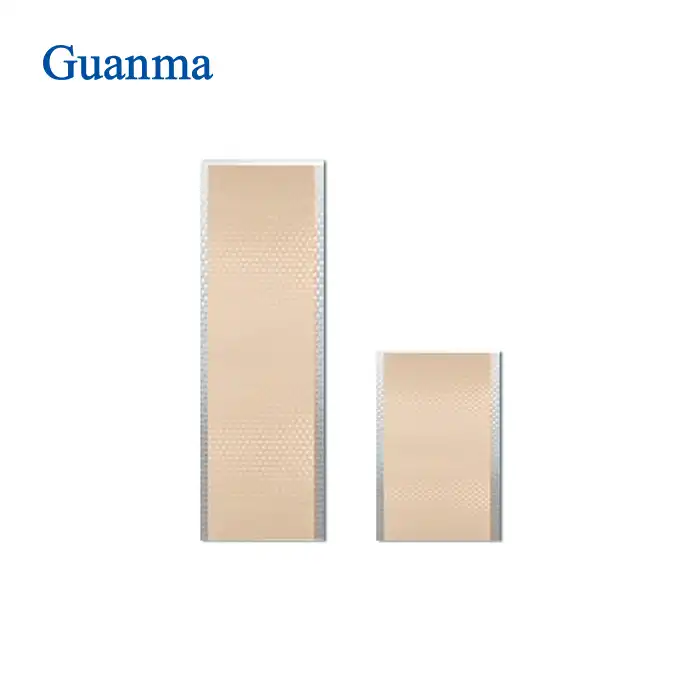
When it comes to scar treatment, silicone scar tape stands out for its remarkable efficacy and user-friendly application. Unlike traditional treatments such as creams or ointments, which require frequent reapplication and can be messy, silicone scar tape provides continuous therapy with minimal maintenance. The tape can be worn for extended periods, typically 12-23 hours a day, ensuring consistent treatment. This prolonged contact allows the silicone to work continuously, softening and flattening the scar tissue more effectively than intermittent applications of other products. Moreover, silicone scar tape is waterproof and can be worn during daily activities, including showering or exercising, making it a convenient option for patients with busy lifestyles. The ease of use and reliability of silicone scar tape contribute to better patient compliance, which is crucial for achieving optimal results in scar management.
Cost-Effectiveness and Long-Term Benefits
While the initial cost of silicone scar tape may be higher than some traditional scar treatments, its long-term cost-effectiveness is undeniable. A single piece of silicone scar tape can be used for several days or even weeks, depending on the product and care taken. This extended use reduces the overall cost of treatment compared to daily-use creams or frequent professional treatments. Additionally, the efficacy of silicone scar tape often leads to faster improvement and better outcomes, potentially reducing the need for more expensive interventions in the future. The long-term benefits of using silicone scar tape extend beyond cost savings. Patients often report improved scar appearance, reduced itching and discomfort, and increased skin elasticity. These improvements can have a significant positive impact on a patient's quality of life, both physically and emotionally, making silicone scar tape a valuable investment in long-term scar management and overall well-being.
Scientific Evidence Supporting Silicone Scar Tape
The effectiveness of silicone scar tape is not just anecdotal; it is backed by a substantial body of scientific research. Numerous clinical studies have demonstrated the benefits of silicone-based treatments for scar management, particularly for hypertrophic and keloid scars. Research has shown that silicone scar tape can significantly reduce scar thickness, improve color matching with surrounding skin, and decrease associated symptoms like itching and discomfort. The mechanism of action is believed to involve the occlusive and hydrating properties of silicone, which help to regulate fibroblast activity and collagen production. This scientific evidence has led to the widespread adoption of silicone scar tape in medical settings, with many healthcare professionals recommending it as a first-line treatment for problematic scars. The growing body of research continues to support the use of silicone scar tape, solidifying its position as a leading treatment option in the field of scar management.
Real Patient Stories: Hypertrophic Scar Improvement
Case Study: Post-Surgical Scar Management
One compelling case study involves a 35-year-old woman who underwent abdominal surgery. Following the procedure, she developed a hypertrophic scar along the incision line. Concerned about the appearance and discomfort of the scar, she began using silicone scar tape as recommended by her surgeon. The patient diligently applied the tape for 22 hours a day, removing it only for cleaning. After three months of consistent use, she reported significant improvements. The scar had noticeably flattened, and its redness had diminished considerably. The patient also experienced a reduction in itching and tightness around the scar area. Photographs taken before and after the treatment period clearly showed the remarkable improvement in the scar's appearance. This case demonstrates the effectiveness of silicone scar tape in managing post-surgical hypertrophic scars, highlighting its potential to improve both the aesthetic and functional aspects of scar healing.
Transforming Burn Scars with Silicone Therapy
Another inspiring story comes from a 28-year-old man who suffered second-degree burns on his forearm from a workplace accident. The initial healing left him with a hypertrophic scar that was not only unsightly but also restricted his range of motion. On the advice of his dermatologist, he began using silicone scar tape as part of his scar management regimen. The patient applied the tape consistently for six months, replacing it every 1-2 weeks as directed. The results were transformative. Not only did the appearance of the scar improve dramatically, with a significant reduction in thickness and discoloration, but the patient also regained much of his lost flexibility. The silicone scar tape's ability to keep the scar hydrated and protected played a crucial role in softening the scar tissue and improving its overall texture. This case illustrates the potential of silicone scar tape in addressing both the cosmetic and functional challenges posed by burn scars.
Long-Term Success: A Five-Year Follow-Up
A particularly noteworthy case involves a 42-year-old woman who used silicone scar tape to treat a hypertrophic scar resulting from a cesarean section. What makes this case remarkable is the long-term follow-up, which spans five years post-treatment. The patient began using silicone scar tape three weeks after her surgery and continued the treatment for six months. Initial results were promising, with the scar showing significant improvement in texture and color. However, the true testament to the efficacy of silicone scar tape came during the follow-up evaluations over the subsequent years. Five years after the initial treatment, the scar remained flat, soft, and well-matched to the surrounding skin tone. The patient reported no recurrence of hypertrophic scarring and expressed high satisfaction with the long-term outcome. This case underscores the lasting benefits of silicone scar tape treatment and its potential to provide enduring results in scar management, even years after the initial application period.
Conclusion
Silicone scar tape has emerged as a revolutionary solution in the field of scar management, particularly for hypertrophic scars. Its ease of use, cost-effectiveness, and scientifically proven efficacy make it an invaluable tool for both medical professionals and patients. By providing continuous therapy, promoting proper healing, and addressing the root causes of problematic scarring, silicone scar tape offers a comprehensive approach to scar treatment. As we've seen through real patient stories and clinical evidence, the benefits of this innovative product extend far beyond mere cosmetic improvements, positively impacting patients' quality of life and long-term well-being. For those seeking an effective, non-invasive solution to scar management, silicone scar tape stands out as a true secret weapon against hypertrophic scars.
For more information on high-quality silicone scar tape and other wound care solutions, please contact Zhejiang Guanma Medical at betty@guanmamedical.com. As a leading manufacturer with over 30 years of experience, Guanma Medical is committed to providing innovative, customized solutions for medical professionals and distributors worldwide. Our products, including silicone scar tape, are backed by international certifications and rigorous quality control, ensuring optimal performance and patient safety. Whether you're looking for OEM/ODM services or seeking to expand your product line, Guanma Medical is your trusted partner in advancing scar management and wound care technology.
References
1. Monstrey S, Middelkoop E, Vranckx JJ, et al. Updated scar management practical guidelines: non-invasive and invasive measures. J Plast Reconstr Aesthet Surg. 2014;67(8):1017-1025.
2. Gauglitz GG, Korting HC, Pavicic T, Ruzicka T, Jeschke MG. Hypertrophic scarring and keloids: pathomechanisms and current and emerging treatment strategies. Mol Med. 2011;17(1-2):113-125.
3. Bleasdale B, Finnegan S, Murray K, Kelly S, Percival SL. The Use of Silicone Adhesives for Scar Reduction. Adv Wound Care (New Rochelle). 2015;4(7):422-430.
4. Gold MH, McGuire M, Mustoe TA, et al. Updated international clinical recommendations on scar management: part 2--algorithms for scar prevention and treatment. Dermatol Surg. 2014;40(8):825-831.
5. Sidgwick GP, McGeorge D, Bayat A. A comprehensive evidence-based review on the role of topicals and dressings in the management of skin scarring. Arch Dermatol Res. 2015;307(6):461-477.
6. Mustoe TA. Evolution of silicone therapy and mechanism of action in scar management. Aesthetic Plast Surg. 2008;32(1):82-92.