_1745479303268.webp)
The Evolution of Kinesiology Sports Tape in Rehabilitation
2026-03-23 14:31:38
The development of Kinesiology Sports Tape has caused a huge change in how people recover from injuries and deal with them. Elastic therapeutic tape is a new kind of tape that has completely changed how doctors and players treat injuries and strengthen muscles. Modern elastic taping methods offer dynamic support that moves smoothly with the body, unlike traditional stiff sports tapes. They improve circulation while keeping the therapeutic benefits. The progress made in these advanced taping methods has opened up new job possibilities for medical professionals, rehabilitation experts, and buying professionals who are looking for new ways to meet the therapeutic needs of their clients.
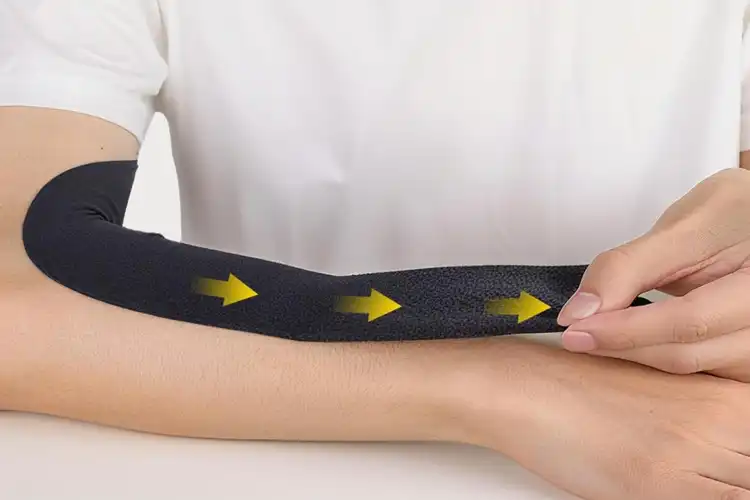
Historical Limitations of Traditional Sports Taping and Rehabilitation Methods
For decades, traditional sporting taping methods ruled the field of sports medicine. However, these traditional methods had a lot of problems that made them less useful in full recovery programs. Standard sports tape was stiff, which made it hard for people to move naturally, which could slow down the healing process and hurt an athlete's efficiency.
Constraints of Rigid Taping Systems
Most traditional sports tapes were based on fixation principles that made it harder for muscles and joints to move. These stiff materials made a "cast-like" effect that kept the person stable but often blocked proprioceptive input that is needed for proper recovery. Because it wasn't flexible, players and patients felt pain after wearing it for long amounts of time, which made them less likely to follow treatment plans. The sticky technology in old tapes often irritated the skin, especially after using them for a long time. When people used traditional taping methods for more than 24 to 48 hours, many healthcare professionals saw that the patients got allergic responses or their skin broke down. This limitation had a big effect on long-term rehabilitation plans, which needed ongoing help for the best possible recovery results.
Inadequate Durability and Performance Issues
The old ways of taping were not good at keeping out moisture, and the glue would come off when you did physical exercise. Not being able to keep the right bond when sweating or being in water raised safety issues and made therapy less effective. A lot of the time, healthcare centers and sports teams had to redo tape, which made treatment take longer and cost more. When buying standard tapes, there were problems with more than just speed. There were also problems with storage and how long they could last. Many common adhesives broke down quickly in conditions of changing temperature and humidity, which made it hard for medical supplies and rehabilitation centers to keep track of their goods. Because of these things, there was a greater need for new tape options that could help with both therapy and practical issues in modern healthcare settings.
Emergence and Development of Kinesiology Sports Tape
Kinesiology Sports Tape was a huge step forward in rehabilitation medicine when Dr. Kenzo Kase came up with the idea of strengthening muscles and joints while keeping natural movement patterns. This was in the 1970s. This new method took into account the fact that tissues that were healing needed active support instead of being immobile all the time to get the best results.
Scientific Principles Behind Elastic Taping
A technique called kinesiology tape works by gently pulling the skin, which makes room between the dermis and the deeper organs. This mechanical action helps the lymphatic system drain and the blood flow in the treatment area. The tape's ability to stretch 130–140% of its original length is very similar to the natural flexibility of human skin. This means that it doesn't get in the way of movement while still providing healing support. Good elastic tapes have a wave-patterned glue that makes the skin-lifting effect stronger and improves air flow under the tape. Many of the skin irritation problems that come with standard solid glue patterns are fixed by this new design. Modern manufacturing methods have made it possible to make tapes with different levels of stretchiness. This lets doctors tailor their treatments to each patient's wants and recovery goals. Studies have shown that using stretchy therapeutic tape correctly can change the way mechanoreceptors in the skin work, which could change how people feel pain through gate control theory processes. When you add these neurophysiological effects to the mechanical benefits of better circulation and easier movement, you get a complete therapy method that works on many parts of the healing process at the same time.
Clinical Applications and Industry Acceptance
Elastic tape methods are used by doctors of all kinds to treat a wide range of conditions, from minor sports accidents to managing chronic pain. These techniques are often used by physical therapists as part of their post-surgery therapy programs because they help reduce swelling and encourage early mobility. Because there are so many ways to apply it, it's possible to focus on treating certain muscle groups while still keeping general useful mobility. When athletic trainers use preventative taping techniques with elastic materials, they have seen big gains in preventing injuries. Because they can support without getting in the way of performance, these taping methods are especially useful in competitive sports where staying at peak physical function is important. These methods are now normal parts of injury management and prevention programs at professional sports organizations all over the world.
Comparison of Kinesiology Sports Tape Against Traditional Alternatives
Modern elastic therapy tapes are much better than traditional sports taping methods in a number of performance areas that have a direct effect on patient results and cost-effectiveness. When procurement workers choose taping options for their healthcare organizations or distribution networks, knowing these differences helps them make smart choices.
Material Properties and Performance Characteristics
Elastic therapy tapes are made from cotton and rayon fibers, which are better at letting air flow than the synthetic materials used in most sports tapes. Because they are made of natural fibers, they are better at regulating temperature and wetness, which lowers the risk of skin breakdown and maceration during long wear times. Modern production methods make sure that the fibers stay aligned so that the product stays flexible for a long time. This hypoallergenic medical acrylic pressure-sensitive adhesive (PSA) technology is a big step forward from older types of adhesives. These medical-grade adhesives keep their sticking strength even when the environment changes, and they also keep allergy reactions and skin sensitivity problems to a minimum. Because these adhesive systems are safe, they can be worn for three to five days without damaging the skin. This makes the treatment much more effective than with regular tapes, which need to be reapplied every day. Patients can keep up with their normal hygiene routines and take part in water therapy activities without worrying about the tape coming off. This feature is especially helpful for athletes and other busy people who need constant support during training and competition plans that include activities in the water or conditions that make you sweat a lot.
Economic Considerations for Healthcare Procurement
Healthcare groups benefit from the fact that good rubber Kinesiology Sports Tape lasts longer, which cuts down on the labor costs that come with having to reapply them so often. Being able to keep the therapeutic effects for several days while keeping the skin's integrity provides organizational efficiencies that lead to better use of resources and higher patient happiness numbers. When healthcare systems and wholesalers serve multiple sites, the chance to buy in bulk can save them even more money. Modern elastic tapes have a longer shelf life and need to be stored in a stable way, which lowers the cost of keeping supplies and cuts down on waste from old goods. Because of these cost savings, elastic therapeutic tape is a good choice for procurement workers who want to improve both patient results and the speed of their companies' operations.
Practical Aspects of Using Kinesiology Sports Tape in Rehabilitation
To use elastic taping techniques effectively, you need to know the right way to apply them and the best way to use them so that you can get the best healing results. When making treatment plans, healthcare workers have to think about a lot of things, such as tape tightness, application direction, and factors that are unique to each patient.
Application Techniques for Common Conditions
Y-strip and I-strip designs are often used in shoulder rehabilitation to strengthen the deltoid and rotator cuff muscles while keeping the scapular mobility. To start putting on the tape, position the shoulder slightly abducted and place the base anchor near the beginning of the target muscle without stress. The therapeutic part of the tape is then put on the muscle belly with 25 to 50 percent stress, based on the healing stage and the effect that is wanted. A lot of knee supports use fan-cut designs around the patella to give proprioceptive feedback and soft compression without getting in the way of regular knee mechanics. Parallel strip treatments can help the nearby muscles, like the quadriceps and hamstrings, by encouraging the right tracking and movement patterns during recovery exercises. During the change from treating an acute injury to restoring normal movement, these methods are especially helpful. Star- or web-pattern applications that provide broad support across the lumbar area while allowing normal spinal movement are often used to treat lower back pain. The way the tape is arranged supports both the erector spinae muscle group and the thoracolumbar fascia. This makes an external stability system that stops too much movement and encourages good movement patterns.
Color Psychology and Branding Considerations
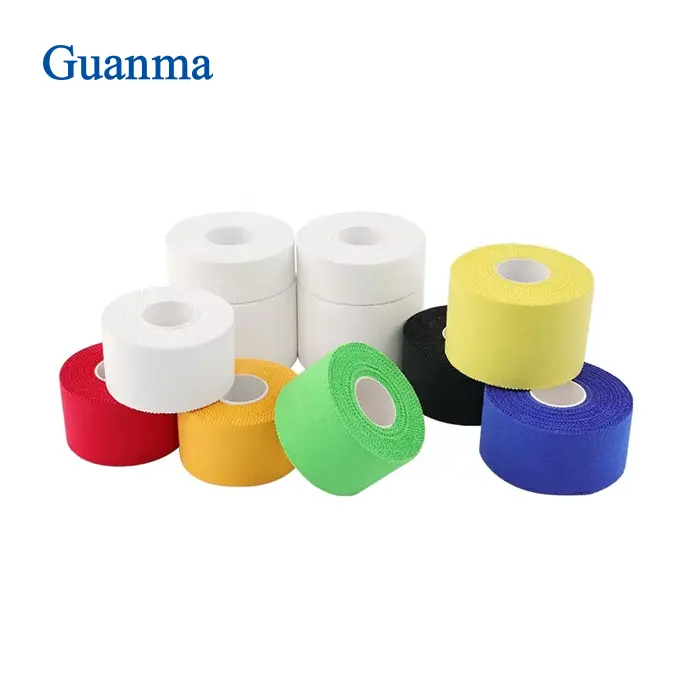
Having a choice of colors in high-quality stretchy tape is helpful for both mental and physical reasons in medical and sports settings. Color choice can affect how a patient sees things and how well they follow through. Some people respond better to certain color choices that are in line with their personal preferences or team affiliations. Color-coding systems are often used in healthcare settings to help staff quickly find different treatment plans or groups of patients. Rehabilitation centers might use different colors to tell the difference between apps for treating injuries, long-term pain, and recovery from surgery. These visual cues help healthcare workers treat patients the same way every time and cut down on mistakes when applying the treatment. There are branding options for sports teams and hospitals that want to keep their visual character consistent with their company. Custom color matching and brand printing make it possible to look professional while still keeping the soothing effect. When running a business in a competitive market where name recognition is important for success, these things become even more important when the business serves famous people.
Procurement Insights: How to Choose the Best Kinesiology Sports Tape for Your Business
When buying elastic therapy tape strategically, you need to look at a lot of performance factors and the supplier's qualities to make sure that the quality of the tape stays the same and that the supply chain is managed well. Healthcare groups have to find a mix between how well a therapy works and how much it costs, all while staying in line with regulatory requirements.
Material Quality and Certification Requirements
To choose the right tape, you should first make sure that the medical device has the right certifications. These can include CE marking and ISO 13485 compliance for sites that follow international quality standards. These certifications make sure that the methods used to make medical devices meet strict standards and allow for tracking all the way through the production chain. All goods meant to be worn for long periods of time should come with proof that they have been biocompatibility tested. The recipe for the glue is a very important quality factor that has a direct effect on how comfortable the patient is and how well the treatment works. Medical-grade acrylic PSA systems offer the best mix of adhesion power and skin compatibility, and latex-free formulations are available for people who are allergic to latex. Inventory management is affected by how stable the temperature is and how long the food will last. These factors should be looked at based on how the food is stored and how quickly it is expected to be used up. Throughout the lifetime of a product, the therapeutic success and cost-effectiveness are affected by the fiber makeup and production consistency. Textiles made of a mix of cotton and rayon are more breathable and comfortable than synthetic materials, but they still have the flexibility needed for medicinal use. Quality control procedures should make sure that all production lots have the same amount of stretch and glue covering.
Supplier Evaluation and Partnership Development
To build trusting relationships with suppliers, you need to look at their manufacturing capacity, quality systems, and expert help to make sure that products are always available and work well. Suppliers with established research and development programs show that they are dedicated to making therapy taping technology better and more innovative all the time. A lot of the time, these relationships give healthcare services access to new technologies and allow for customization, which can make them stand out. Support services after the sale, like expert training and application advice, add value to the product itself. Healthcare groups can get the most out of their products and improve patient outcomes with the help of suppliers who offer a wide range of training tools and clinical support. When putting in place new tape-reading procedures or teaching more staff, these services become even more useful. Volume prices and flexible buying systems can adapt to changing demand trends and make the best use of the money spent on supplies. When suppliers offer private labeling and unique packaging, it can help brands stand out and find their place in the market. These customization options are especially useful for healthcare organizations and wholesalers that work with niche markets or need to meet strict brand standards.
Conclusion
The progress made in elastic Kinesiology Sports Tape has completely changed rehabilitation medicine by offering flexible support options that help the body's natural healing processes while keeping useful movement. Healthcare procurement workers can now use advanced taping systems that are more comfortable for patients, last longer, and help with therapy more effectively than traditional hard taping methods. Healthcare organizations can provide better care to patients while also improving operating efficiency and cost-effectiveness by carefully choosing high-quality elastic tapes that come with the right certifications and partnerships with dependable suppliers.
FAQ
What makes elastic therapeutic tape different from regular athletic tape?
Elastic therapy tape uses materials that are stretchy and special binding systems that let the body move naturally while still supporting specific areas. Elastic athletic tape moves with the body and improves circulation by gently lifting the skin. This is different from hard athletic tape, which limits movement.
How long can patients safely wear elastic therapeutic tape?
Good healing elastic tape can usually be worn nonstop for three to five days without hurting the skin. Long-lasting healing effectiveness is maintained thanks to the hypoallergenic glue formulas and breathable material construction.
What certifications should healthcare organizations look for when purchasing therapeutic tape?
Healthcare centers should check that medical devices meet the quality standards set by CE marking and ISO 13485 compliance. For extended skin contact uses, biocompatibility testing records and latex-free certificates make sure that patients are safe and that the rules are followed.
Partner with Guanma Medical for Superior Kinesiology Sports Tape Solutions
Guanma Medical stands as your trusted kinesiology sports tape manufacturer, delivering premium elastic therapeutic tapes engineered with cotton and rayon materials and hypoallergenic medical acrylic PSA technology. Our CE and ISO 13485 certified products offer healthcare organizations reliable, customizable solutions with multiple size options (2.5cm, 3.8cm, 5cm, 7.5cm X 5m) and diverse color selections to meet specific patient and branding requirements. With over 30 years of manufacturing excellence and comprehensive OEM/ODM capabilities, we provide responsive technical support and flexible ordering systems that optimize your procurement processes while ensuring consistent therapeutic outcomes. Contact our professional team at betty@guanmamedical.com to discover how our advanced adhesive technology and rigorous quality control standards can enhance your rehabilitation programs and patient care delivery.
References
1. Kase, K., Wallis, J., & Kase, T. (2013). Clinical Therapeutic Applications of the Kinesio Taping Method. Tokyo: Ken Ikai Co.
2. Morris, D., Jones, D., Ryan, H., & Ryan, C. G. (2013). The clinical effects of Kinesio Tex taping: A systematic review. Physiotherapy Theory and Practice, 29(4), 259-270.
3. Mostafavifar, M., Wertz, J., & Borchers, J. (2012). A systematic review of the effectiveness of kinesio taping for musculoskeletal injury. The Physician and Sports Medicine, 40(4), 33-40.
4. Williams, S., Whatman, C., Hume, P. A., & Sheerin, K. (2012). Kinesio taping in treatment and prevention of sports injuries: a meta-analysis of the evidence for its effectiveness. Sports Medicine, 42(2), 153-164.
5. Kalron, A., & Bar-Sela, S. (2013). A systematic review of the effectiveness of Kinesio Taping--fact or fashion? European Journal of Physical and Rehabilitation Medicine, 49(5), 699-709.
6. Lim, E. C., & Tay, M. G. (2015). Kinesio taping in musculoskeletal pain and disability that lasts for more than 4 weeks: is it time to peel off the tape and throw it out with the sweat? A systematic review with meta-analysis focused on pain and also methods of tape application. British Journal of Sports Medicine, 49(24), 1558-1566.