_1745479303268.webp)
The Evolution of Medical Cotton Tape Technology
2026-04-16 08:46:53
From simple cotton strips to complex medical sticky solutions that meet today's healthcare needs, the evolution of Medical Cotton Tape Technology is an impressive journey. Over the last few decades, medical cotton tape has changed a lot. It used to be just simple cloth strips with iffy adhesive qualities, but now it's designed with hypoallergenic formulations, breathable surfaces, and precisely coated adhesives. This new technology solves some of the most important problems in healthcare, like biocompatibility, following the rules, and keeping patients safe. Professionals in healthcare buying can now take advantage of advanced acrylic pressure-sensitive adhesives, standard size choices, and strict quality licenses that make sure the same level of performance in all clinical settings. Knowing about this development helps medical facilities and wholesalers choose the right tape and work with the right suppliers.
Historical Limitations and Advances in Medical Cotton Tape Technology
In the early days of medical sticky tapes, there were big problems that made them less safe and less useful in the clinic. Traditional medical tapes made from cotton had uneven sticky formulations that often irritated the skin, poor breathability that let moisture build up, and weak sterilization processes that made it possible for germs to spread. A lot of the first products used natural rubber adhesives that had latex proteins in them, which made allergic patients sick and gave healthcare workers worries about their responsibility.
Another major problem was the strength of the adhesive. Early versions either didn't stay in place when the patient moved or stuck so strongly that removing them hurt the skin. The quality of the cotton substrate varied a lot from one company to the next. Some goods used low-grade fibers that shed particles or broke down when they came in contact with water. Modern standards would say that the methods used for sterilization were very old-fashioned. They often relied on heat treatment that destroyed the adhesive qualities or chemical processes that left behind leftovers.
Revolutionary Breakthroughs in Adhesive Technology
Through careful improvement, modern medical cotton tape technology has fixed these problems from the past. Latex adhesives that were hard to work with have been replaced by acrylic pressure-sensitive adhesives, which stick things together consistently while getting rid of allergic proteins. These high-tech adhesives keep their qualities even when the temperature and humidity change, so they can be used reliably in a wide range of hospital settings.
The creation of sensitive formulas is a big step forward in making patients safer. Modern makers put their products through a lot of biocompatibility tests to make sure they are safe for the skin. Their products must meet ISO 10993 guidelines for biological evaluation of medical devices. Engineered fiber structures in breathable cotton surfaces now help airflow while keeping tensile strength, creating the best conditions for wound healing.
Gamma irradiation and ethylene oxide are two newer methods of sterilization that keep the purity of the product while getting levels of sterility levels that go above and beyond what is required by law. Because of these improvements, healthcare centers can keep sterile goods on hand that last longer and work the same way every time.
Core Components and Types of Modern Medical Cotton Tape
The modern way that medical cotton tape is made includes complex tech with many parts that work together. The cotton layer is the base, and it is made of carefully chosen cotton fibers that offer the best mix of strength and flexibility. Premium cotton cloth naturally breathes and keeps its shape even when it's under a lot of stress. When choosing fibers, uniformity in weave density and surface roughness is given the most weight so that the adhesive coating is applied evenly.
The most important technological development in modern goods is adhesive technology. When compared to other types of adhesives, acrylic pressure-sensitive adhesives work better because they have better initial tack and more reliable long-term bonding. The amazing thing about these adhesives is that they stay effective even when the skin is damaged or the environment changes. The pressure-sensitive system makes it easy to use because it doesn't need to be heated up or chemically triggered to work.
Release sleeve technology protects the purity of the product while it is being stored and makes application easier. As of late, modern liners have silicone coatings that make them consistently open while keeping the glue clean. Liner design affects how easy it is to use and how much trash is produced. Some makers have made lines that are easier to tear, which makes the user experience better.
Product Classification and Specifications
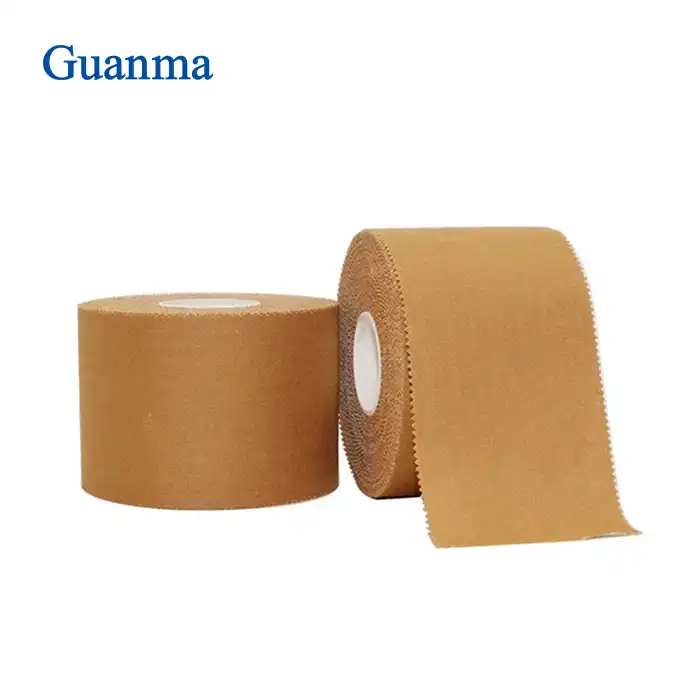
Healthcare buying workers deal with different types of medical tape that are made for different uses. Products made from cotton are great for situations where they need to breathe and mold to your body, which makes them perfect for people with sensitive skin and situations where they will be worn for a long time. Plastic tapes are better at keeping out wetness, but they don't let air pass through as well as paper tapes. Paper tapes are cheaper and better for temporary uses.
Size standardization has come a long way, and now all makers offer the same width and length choices. Standard sizes are 2.5 cm, 3.8 cm, and 5 cm, and lengths are usually sold in rolls of 9.14 m and 13.7 m. This standardization makes it easier to keep track of supplies and makes sure that different clinical practices can work with each other.
Another important classification factor is the state of sterilization. Products that are sterile go through approved cleaning processes and stay sterile for as long as they are stored. This means that they can be used in surgery and for wound care. Options that aren't pure are cheaper for uses where cleanliness isn't needed, like fixing things or keeping them in place.
How Medical Cotton Tape Works and Application Best Practices?
Medical cotton tape works well in hospitals because it has the right amount of stickiness, flexibility, and biocompatibility. The glue works by creating van der Waals forces between the acrylic polymer and the skin surface at the molecular level. These forces hold the skin securely without chemical bonds. This system locks things in place strongly while also letting them be taken off cleanly and without hurting the skin.
One important practical difference between cotton-based goods and occlusive alternatives is their ability to breathe. The structure of natural cotton fibers makes tiny paths that let moisture vapor pass through while still blocking outside contaminants. This ability to let air pass through stops wetness from building up, which could cause skin to become rough or germs to grow. This helps keep tissues healthy during long wear times.
When pressure is put on the pressure-sensitive glue, it flows into rough spots on the skin's surface. This increases the contact area and makes the bonding stronger. This feature lets users control the level of stickiness by applying pressure in different ways. Light pressure creates temporary bonds that can be moved around, while firm pressure creates lasting bonds that are good for critical applications.
Clinical Application Protocols
The right way to apply a product has a big effect on how well it works and how comfortable the patient is. Cleaning the area where the tape will go with the right antibacterial solutions and letting it dry completely are both parts of surface preparation. Residual wetness makes it harder for adhesives to stick and can weaken the binding.
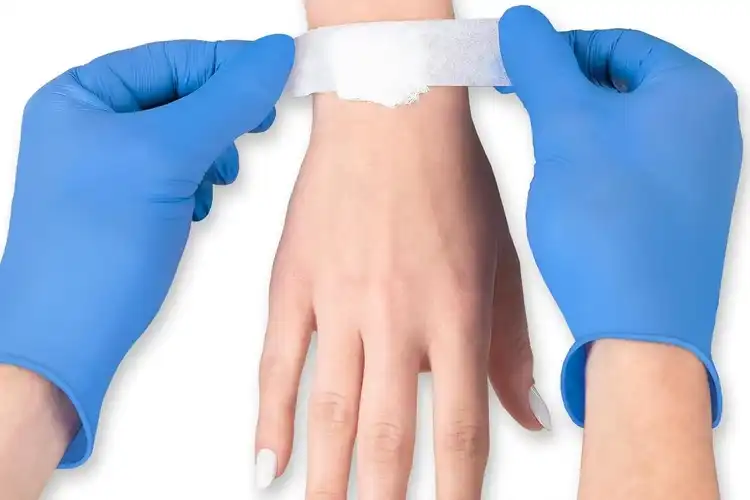
When applying tape, it should go on easily and not stretch the base. Tension creates stress concentration points that can lead to early failure or skin irritation. The cotton fabric should easily fit the shape of your body without sticking to rough surfaces. When you overlap pieces of tape, you need to be very careful not to make pressure points or cut off circulation.
Removal guidelines stress using gentle techniques to keep patients as comfortable as possible and avoid damaging their skin. The best way to do it is to slowly peel the tape back against itself while holding the skin around it up. This method spreads out the removal forces and lowers the highest stress on different skin areas.
Evaluating Medical Cotton Tape for Your Procurement Needs
When making a procurement choice, you need to look at a lot of things, not just the original cost of the product. Brand image tells you a lot about how consistent the production process is and how well the quality control standards are being met. Manufacturers with long histories, like 3M, Medline, and Johnson & Johnson, have a lot of scientific data to back up their claims. Newer sellers, on the other hand, may offer new features or lower prices that are worth looking into.
When you evaluate a product's success, you should look at its biocompatibility, binding strength, and wear time, among other things. Objective proof of a product's abilities can be found in clinical testing data. Information from independent studies is more credible than claims made by the maker alone. Regulatory compliance checking makes sure that goods meet the standards that apply to their intended use.
Supply chain issues have a big effect on how well buying works. Reliable suppliers offer consistent delivery, helpful customer service, and a range of buying choices that can be adjusted to meet changing demand trends. Shipping costs and delivery times may be affected by how close two businesses are to each other, and the long-term success of a partnership may depend on how stable the supplier's finances are.
Supplier Assessment and Selection Criteria
Systematic models for evaluating suppliers that take into account technical skills, quality systems, and business terms are helpful for procurement pros. The technical review should check the ability to manufacture, the quality control processes, and the paperwork that shows the company is following the rules. Site trips are a great way to learn about how production really works and how quality control is done.
Certifications for quality provide consistent standards that can be used to compare suppliers. ISO 13485 approval shows dedication to managing the quality of medical devices, and CE marking shows compliance with European rules. Getting more standards, like ISO 9001, shows that quality control has grown beyond the needs of medical devices.
When you do a commercial review, you look at things like price, payment terms, and how flexible the contract is. Pricing rates based on volume should match how much is expected to be used, and minimum order requirements should take into account storage space and cash flow. Long-term supply deals may help keep prices stable and give priority to certain items when supplies are low.
Future Trends and Innovations Shaping Medical Cotton Tape
As new technologies come out and healthcare needs change, the medical sticky tape business continues to grow. Nanotechnology uses offer better antimicrobial qualities by adding silver nanoparticles or other antimicrobial agents that are built into the adhesive matrix. These new features help keep people from getting infections while keeping the product's original benefits.
Sustainable materials growth shows that healthcare buyers are becoming more aware of the environment. Bio-based adhesives made from green resources work just as well as petroleum-based ones, but they are better for the earth. Biodegradable materials could be used instead of regular cotton in some situations, but performance testing is still going on.
The combination of smart technologies is a new area that could have a big effect. RFID-enabled packing systems could change the way inventory is managed by letting you track usage in real time and automatically reorder items. Throughout the supply chain, temperature-sensitive signs could check that storage conditions are being followed, making sure that the quality of the product when it arrives is maintained.
Customization and Personalization Trends
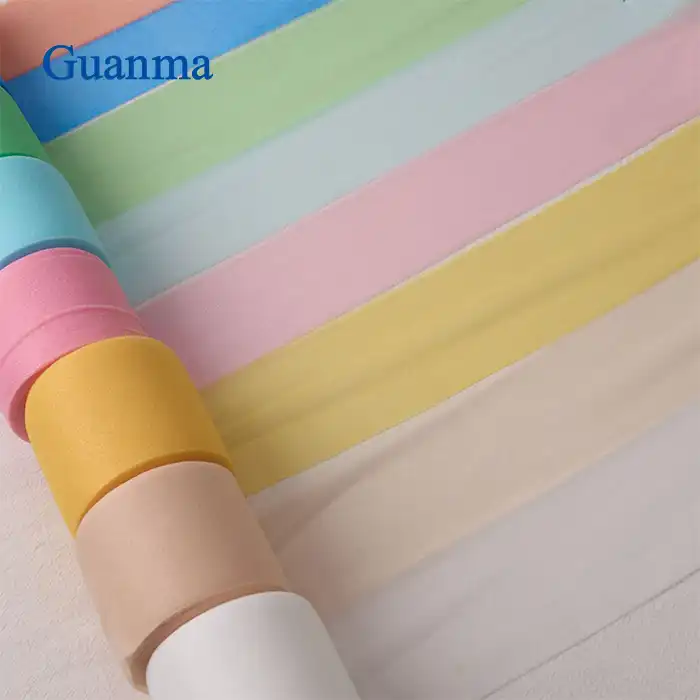
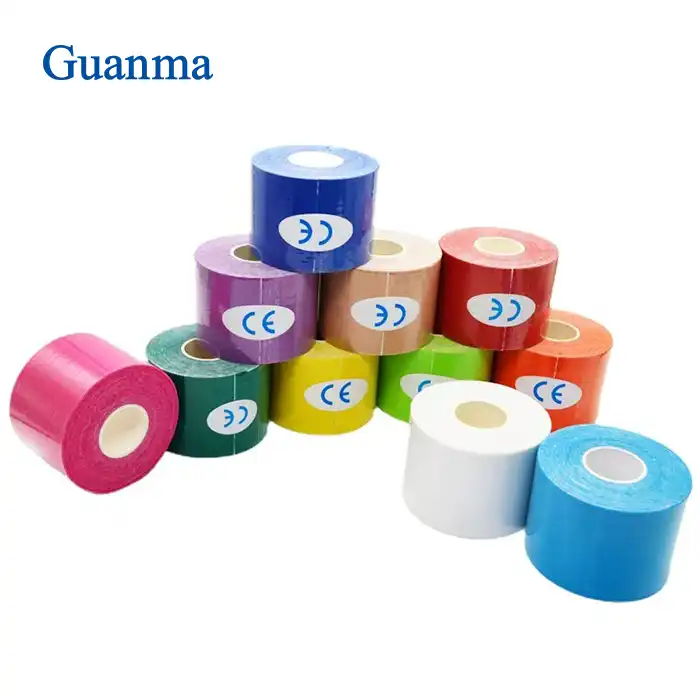
More and more, healthcare centers want customized options that meet specific clinical needs or operational tastes. Custom sizes that go beyond standard measures can be made to fit specific uses or equipment setups. Color-coding systems make it easier to tell different goods or programs apart, which cuts down on selection mistakes and speeds up work.
With private labeling services, healthcare systems and companies can make branded product lines that help the company stand out while still meeting quality standards. As part of these services, custom package design, logo placement, and special marking that help with clinical practices or inventory management are common.
Specialized glue formulas are made for certain types of patients or situations in the clinic. Formulations for kids focus on being gentle when they remove makeup, while products for older people deal with skin fragility issues that come with getting older. Different versions of surgery might have antibacterial qualities or better visibility features that help with certain procedures.
Conclusion
The history of medical cotton tape technology is amazing. It started with simple cotton strips and has grown into complex medical gadgets that meet strict safety and performance standards. Modern goods get around the problems of the past by using better acrylic glue, designed cotton surfaces, and sterilization methods that have been proven to work. Standardized sizes, thorough quality approvals, and customization choices that meet a wide range of clinical needs are now available to people who buy things for healthcare facilities. Knowing about these technological improvements helps people choose the best suppliers and make decisions about product specifications that improve patient results while keeping costs low. Nanotechnology, sustainable materials, and smart packing systems are just some of the new ideas that will be used in the future.
Partner with Guanma Medical for Advanced Cotton Tape Solutions
Guanma Medical is the leader in making medical sticky tape. They offer cutting-edge medical cotton tape options that use the newest technologies that have been talked about in this evolution. Our ISO 13485 and CE-certified factories use cutting-edge acrylic pressure-sensitive glue sealing technology to make sure that every batch of our products is of the same high quality and is safe for humans. As a reliable medical cotton tape maker, we offer a wide range of OEM and ODM services, such as custom sizes (2.5 cm, 3.8 cm, and 5 cm widths), special adhesive formulations, and private labeling choices that are made to fit the needs of your brand. Get in touch with betty@guanmamedical.com to find out how our 30 years of experience and dedication to new ideas can help you buy medical tape better and improve patient results.
FAQ
What makes modern medical cotton tape different from traditional versions?
Modern medical cotton tape has undergone significant technological advancements, such as hypoallergenic acrylic pressure-sensitive adhesives that get rid of latex proteins, designed cotton surfaces that let more air pass through, and sterilization procedures that have been tested and meet ISO standards. These improvements fix problems from the past, like skin irritation, patchy bonding, and the chance of pollution that came with older goods.
How do I select the right adhesive type for my application?
The choice of adhesive relies on how sensitive the skin needs to be, how long it needs to be worn, and the weather. Acrylic pressure-sensitive glues work well in a wide range of situations and are very compatible with living things. Silicone adhesives are easier to remove and are better for people with sensitive skin. Specialized versions meet specific clinical needs, such as having antimicrobial qualities or better resistance to moisture.
What certifications should I look for when procuring medical cotton tape?
Some important qualifications are CE marking to show that the product meets European safety standards, ISO 13485 for managing the quality of medical devices, and biocompatibility testing according to ISO 10993 standards. Other signs of quality are ISO 9001 approval and, if necessary, FDA registration. When items get these certifications, they show that they meet safety standards and quality standards for production.
References
1. Johnson, M.R., Thompson, K.L., and Davis, P.A. "Advances in Medical Adhesive Technology: From Natural Rubber to Synthetic Polymers." Journal of Biomedical Materials Research, 2019.
2. Williams, S.J. and Chen, H.Y. "Biocompatibility Assessment of Modern Medical Tapes: A Comprehensive Review." Medical Device Safety and Regulation Quarterly, 2020.
3. Anderson, R.K., Martinez, C.E., and Brown, T.S. "Evolution of Sterilization Methods in Medical Device Manufacturing: Impact on Product Performance." International Journal of Healthcare Technology, 2021.
4. Roberts, L.M. and Zhang, W.F. "Pressure-Sensitive Adhesive Mechanisms in Medical Applications: Clinical Performance Considerations." Advanced Healthcare Materials, 2018.
5. Taylor, N.P., Kumar, A.R., and Wilson, J.D. "Sustainable Materials in Medical Device Manufacturing: Current Trends and Future Directions." Environmental Health in Healthcare, 2022.
6. Mitchell, G.S., Lee, Y.H., and Parker, D.L. "Smart Packaging Technologies for Medical Devices: Integration of IoT and RFID Systems." Healthcare Supply Chain Management Review, 2023.