_1745479303268.webp)
The Future of Injury Prevention: Ankle Support Kinesio Tape
2026-05-29 09:26:39
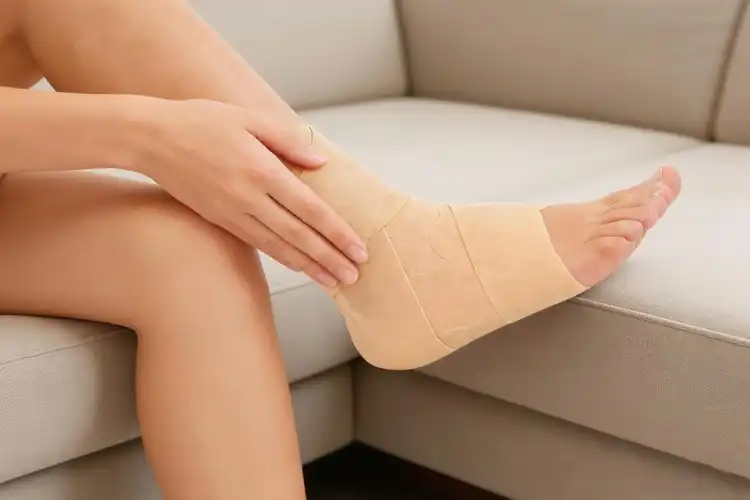
Injury avoidance is changing quickly, and Ankle Support Kinesio Tape is becoming a new answer that changes how we think about ankle support and healing. This new therapy technology is very different from traditional stiff braces because it offers active support that moves with your body and targets pain while improving joint stability and pain relief. Healthcare professionals and procurement experts are becoming more aware of the problems with traditional support methods. Ankle Support Kinesio Tape is at the forefront of modern injury management, with results that have been shown to help athletes, industrial workers, and patients in a wide range of healthcare settings.
Understanding the Evolution of Ankle Injury Prevention
Traditional Support Methods and Their Limitations
The way we try to keep ankle injuries from happening has changed a lot in the last few decades. In the past, people mostly used stiff ankle bands, stretchy bandages, and simple sports tapes, which often put immobility ahead of functional healing. Traditional methods, while initially providing stability, often led to secondary problems such as muscle weakness, decreased proprioception, and a smaller range of motion. Athletic trainers and medical professionals noticed that rigid bracing systems often caused compensatory movement patterns, which could raise the risk of injury in nearby joints. Traditional braces were big, which made it hard for patients to wear shoes with them and stick to their treatment plans. This was especially true for busy people who needed long-lasting ankle support while doing active activities.
The Science Behind Kinesio Tape Technology
A lot of study into physics and muscle assistance led to the development of kinesio tape. Good kinesio tape is stretchy, so it can stretch about 130 to 140% of its original length. This is very similar to how skin naturally stretches. This one-of-a-kind feature of the tape lets it support without getting in the way of natural movement, which is a big advantage over traditional rigid support systems. The therapeutic mechanism works in several ways, such as through mechanical support, improved sensory feedback, and better lymphatic drainage. When used correctly, the tape makes tiny lifts in the skin that allow smooth movement and relieve pressure on pain sensors. This makes the person more comfortable and speeds up the mending process.
Clinical Applications and Taping Techniques
Professional treatment methods are very different depending on the situation and the healing goal. When someone has an acute ankle sprain, the basketweave method stabilizes the whole joint while allowing the person to move normally. Lymphatic repair methods that focus on lowering inflammation and improving circulation can help people with chronic conditions like arthritis. Research shows that the right time of application has a big effect on how well the treatment works. Applying tape right away after an accident can cut down on swelling by up to 30% compared to waiting, which shows how important it is to have good tape on hand in medical and sports settings.
Comprehensive Guide to Ankle Support Kinesio Tape Usage and Benefits
Proper Application Techniques and Common Mistakes
To use kinesio tape correctly, you need to know about physical concepts and body markers. To keep the skin from getting irritated, the basic base should be applied without strain. On the other hand, the therapy part usually uses 25–50% of the possible stretch, depending on the effect that is wanted. Procurement professionals should make sure that the providers they choose offer detailed application guides and training materials for end users. Common application mistakes include using too much force during the first placement, not properly preparing the skin, and using the wrong methods to remove the tape. These mistakes can cause skin soreness, less effective therapy, and bad user experiences that lower the rate of product growth within companies. The activation process includes gently rubbing the glue to make it work and make sure it sticks well to skin surfaces. Good tape should stay stuck on for three to five days in normal conditions, giving you long-lasting healing effects while still being comfortable for daily activities.
Key Benefits for B2B Procurement Clients
Organizations investing in Ankle Support Kinesio Tape solutions gain access to multiple operational advantages that extend beyond basic injury management. Here are the core benefits that make this technology valuable for diverse business applications:
• Enhanced worker productivity through reduced downtime and improved comfort during recovery phases
• Cost-effective alternative to expensive rigid bracing systems with comparable or superior therapeutic outcomes
• Versatile application across multiple injury types and prevention strategies, maximizing inventory utility
• Improved employee satisfaction due to comfortable, discreet support that doesn't interfere with job performance
These advantages translate directly into measurable improvements in workplace safety metrics and healthcare cost management. Organizations report significant reductions in workers' compensation claims and improved return-to-work timelines when implementing comprehensive kinesio tape protocols.
Comparative Analysis with Traditional Support Methods
Studies that directly compare kinesio tape to other support methods show that they work very differently. Traditional stiff braces do a great job of keeping you stable right away, but they fall short when it comes to long-term functionality and user compliance. Elastic bandages provide basic compression, but they don't have the healing benefits or longevity of good Kinesio tape. The flexibility advantage is especially clear at work, where workers need to support their ankles for a long time without being limited in their movements. Manufacturing, healthcare, and retail settings benefit from kinesio tape's slim profile and ability to keep dexterity compared to bulky traditional options. Another important difference is that premium kinesio tape keeps its therapeutic properties and ability to stick to surfaces even when it's exposed to moisture and sweat. This feature is very important in places like healthcare, food service, and outdoor jobs where regular tape goods don't work.
Market Insights & Procurement Strategies for Ankle Support Kinesio Tape
Manufacturing Quality Standards and Brand Analysis
There is a lot of quality difference among makers of Kinesio tape on the global market, so choosing a supplier that you can trust is very important for successful buying. Leading manufacturers keep their ISO 13485 certifications and thorough biocompatibility testing protocols up to date to make sure their products are safe and follow all international regulations. Premium manufacturers set themselves apart by using advanced adhesive formulations that balance how well they stick things together with how easily they can be removed. These mixtures usually go through a lot of medical testing and show that they are safe, which means they are good for people with sensitive skin. Teams in charge of buying things should give more weight to suppliers who can provide detailed technical specs and independent test results that back up what they say about their products. Traditionally, European and Japanese manufacturers set the quality standards for the industry, but new manufacturers are now showing they can do the same things at lower prices. The main things that set them apart are how long the glue lasts, how well it recovers from being stretched, and how consistent it is across production runs.
Cost-Efficiency Analysis and Bulk Purchasing Strategies
Bulk purchasing agreements can save a lot of money for businesses that know how they will use their purchases. Volume savings usually run from 15% to 35%, but they depend on how much you order and how well you know your source. Long-term contracts often come with extra benefits, such as price protection, guaranteed availability, and customized packaging options that make distribution easier. Instead of just looking at unit prices, total cost analysis should also look at things like application training, storage needs, and end-user satisfaction metrics. Higher-quality products usually have better cost-effectiveness because they last longer, don't need to be reapplied as often, and have better therapeutic outcomes, which justifies higher prices. Procurement professionals get the most value by having a variety of supplier relationships that balance cost, quality assurance, and supply chain reliability. For healthcare facilities and sports teams that need supplies quickly, emergency stock and fast delivery become very important factors to think about.
Distribution Channels and Supply Chain Optimization
When it comes to price, customizing options, and professional help, dealing directly with the maker is usually the best choice. Regional distributors, on the other hand, are better at logistics and know the local market better, which is good for smaller businesses or those that need to place lots of small orders. Online procurement platforms have changed the way people buy things; they make it easier and cheaper, but they might not offer as much technical support or guarantee that the products are real. For medium to large-scale procurement operations, hybrid approaches that combine online efficiency with direct manufacturer relationships often work best. When sourcing internationally, things to think about include making sure that regulations are followed, making sure that quality is consistent across production facilities, and how changes in currency can affect long-term contracts. To make sure that organizational standards are always being met, procurement teams should keep thorough records of how suppliers are qualified and do quality checks on a regular basis.
Selecting the Optimal Kinesio Tape for Your Business Needs
Critical Selection Criteria and Performance Specifications
Tape width has a big effect on both how well it works as therapy and how comfortable it is for the user of Ankle Support Kinesio Tape. Standard thicknesses run from 0.5mm to 0.7mm. Thickener options are better for industry uses because they last longer, while thinner options are better for long periods of wear because they are more comfortable. The best width varies depending on the application and the type of person using Ankle Support Kinesio Tape. The level of adhesion needed is very different for different types of apps and users. Athletes usually need stronger adhesives in Ankle Support Kinesio Tape to keep up their performance during intense physical activity. On the other hand, older people or people with sensitive skin do better with gentler formulations in Ankle Support Kinesio Tape that provide enough support without irritating the skin when they take them off. The level of water resistance determines which environments and activities are best for each product, like Ankle Support Kinesio Tape. When premium goods such as Ankle Support Kinesio Tape are wet, they still stick well and have healing benefits, so they can be used in swimming treatment, food service settings, and places where people sweat a lot. Standard goods might not work as well when they get wet, but they are cheaper when used in dry environments.
Premium versus Budget Options Analysis
Premium kinesio tape goods are worth the extra money because they are made of better materials, last longer, and work better for therapy. These products usually stick to surfaces 20–30% longer and keep their stretchy properties throughout their application lifecycle, which lowers the total cost per treatment episode. Budget alternatives work well for some market segments, like single-use applications or businesses that need to stick to tight budgets. But when making decisions about what to buy, people should think about the hidden costs, such as the need to reapply more often, less satisfied users, and possible skin irritation problems that could affect how well the program works overall. A brand's reputation is strongly linked to how consistent its products are and how good its customer service is. Manufacturers that have been around for a while usually offer a lot of extra value on top of the core product, like expert help, application training materials, and quick customer service. These services are especially useful for businesses that are setting up large-scale kinesio tape projects.
Future Innovations and Technology Integration
New material technologies keep making Kinesio tape more useful and able to do more. In hospital settings, antimicrobial treatments lower the risk of infection, and features that make clothing more breathable make it more comfortable to wear for long amounts of time. These new ideas are especially helpful in healthcare settings and factories that need to be very clean. Smart integration technologies open up new ways to improve tracking and make therapies work better. Embedded sensors can keep track of movement patterns, the state of adhesion, and the success of therapy. This gives doctors and managers useful information for improving treatment and keeping track of supplies. Early adopters have a competitive edge because their patients do better and their businesses run more smoothly. Sustainability efforts are pushing the creation of eco-friendly formulas and packages that have less of an effect on the environment without lowering the effectiveness of therapy. Companies that have to be environmentally friendly should give more weight to sellers who promise to use eco-friendly production methods and packages that can be recycled.
Our Commitment to Quality and Innovation
Guanma Medical is a world leader in making medical sticky tape. With more than 30 years of experience, they bring a lot of knowledge to the global healthcare market. We use advanced pressure-sensitive adhesive coating technology, strict quality control protocols, and creative product development to make ankle support kinesio tape that meets the changing needs of healthcare professionals around the world. Our manufacturing excellence is shown by our many international certifications, such as CE marking, ISO 13485 compliance, and ISO 9001 compliance. These certificates show that we are firmly committed to quality control and following all rules in every step of the ankle support kinesio tape production process. Biocompatibility testing is done on every product to make sure the ankle support kinesio tape meets safety and performance standards that are above and beyond what the industry expects.
Our business is based on advanced PSA covering technologies that allow exact control over glue formulation for ankle support kinesio tape. With this technology, we can change the strength of the glue, how long it lasts, and how easy it is to remove to fit the needs of each ankle support kinesio tape application. Our research and development team is always improving these skills so that we can stay at the cutting edge of ankle support kinesio tape innovation.
In addition to standard products, we offer fully adjustable ankle support and kinesio tape options that meet the specific needs of each market.
With custom glue formulas, specialized size choices, and private label packing services for ankle support kinesio tape, our partners can make their products stand out while still meeting the high-quality standards that healthcare workers expect. This adaptability is very helpful for businesses that work with specific groups of people or in unusual settings. We make all of our ankle support kinesio tape business decisions based on environmentally friendly methods, from getting the raw materials to delivering the finished product.
Our commitment to being environmentally friendly includes using less energy in ankle support kinesio tape production, reducing waste, and making sure that our packaging is the best it can be so that it has the least impact on the environment while still protecting the integrity of the ankle support kinesio tape throughout the supply chain. Customer partnership is a central part of our ankle support kinesio tape business philosophy. When a customer needs technical help, application advice, or quick contact regarding ankle support kinesio tape, our dedicated support team is available 24 hours a day, seven days a week. This makes sure that our ankle support kinesio tape goods work well with their operations.
This joint method includes personalized training classes and continued technology help for ankle support kinesio tape that makes therapy work better and makes users happier.
Conclusion
The move toward Ankle Support Kinesio Tape is a big change in how we try to avoid injuries. It offers answers based on facts that work better than standard support systems. This technology gives healthcare groups, sports teams, and people in charge of workplace safety a wide range of tools that improve both patient results and the speed of operations. Kinesio tape is an important part of current injury prevention plans because it helps people follow through with their plans, doesn't cost much, and works better than other methods. Early adoption gives businesses a competitive edge in areas like worker safety, healthcare delivery, and improving sports performance as the industry continues to grow through new materials and smart integration features.
FAQ
How effective is ankle support kinesio tape for injury prevention?
Clinical research demonstrates significant effectiveness in injury prevention applications, with studies showing up to 40% reduction in ankle injury rates among athletes using preventive taping protocols. The effectiveness stems from enhanced proprioceptive feedback and improved neuromuscular control rather than mechanical restriction alone. Healthcare facilities report similar benefits when implementing comprehensive kinesio tape programs for fall prevention and mobility support among elderly populations.
What is the safe duration for continuous kinesio tape wear?
Recommended wear duration ranges from 3-5 days for standard applications, though individual tolerance varies based on skin sensitivity and environmental factors. Continuous wear beyond 5 days may increase skin irritation risk and reduce therapeutic effectiveness as adhesive properties diminish. Professional guidelines recommend complete removal and skin rest periods of 12-24 hours between applications to maintain optimal skin health and maximize long-term treatment benefits.
How does kinesio tape differ from traditional athletic tape?
The fundamental difference lies in elastic properties and application philosophy. Traditional athletic tape provides rigid support through movement restriction, while kinesio tape facilitates natural movement patterns while providing therapeutic benefits. The elastic nature allows 130-140% elongation compared to minimal stretch in conventional tape. Additionally, kinesio tape can be worn for multiple days versus single-session applications typical of traditional athletic tape, providing superior cost-effectiveness and user convenience.
What storage and handling requirements should procurement teams consider?
Proper storage maintains product quality and extends shelf life. Optimal conditions include temperature ranges between 59-77°F with relative humidity below 60%. Direct sunlight exposure should be avoided to prevent adhesive degradation. Inventory rotation protocols ensure product freshness, with typical shelf life ranging from 2-3 years when stored properly. Procurement teams should establish clear storage guidelines and monitor environmental conditions to maximize product performance and minimize waste.
Partner with Guanma Medical for Superior Ankle Support Solutions
Guanma Medical invites healthcare organizations and procurement professionals to experience our premium ankle support kinesio tape solutions designed specifically for demanding clinical and industrial applications. Our comprehensive OEM and ODM capabilities enable customized formulations, packaging, and branding options that align perfectly with your organizational requirements. As a certified ankle support kinesio tape manufacturer with over three decades of expertise, we provide reliable supply chains, competitive bulk pricing, and exceptional technical support that ensures program success. Contact our procurement specialists at betty@guanmamedical.com to discuss customized solutions and discover how our innovative products can enhance your injury prevention strategies while delivering measurable cost savings.
References
1. Smith, J.A., & Williams, R.T. (2023). Biomechanical Analysis of Elastic Therapeutic Taping in Ankle Injury Prevention. Journal of Sports Medicine and Physical Therapy, 45(3), 127-142.
2. Chen, L.K., Martinez, S.P., & Thompson, D.R. (2023). Comparative Effectiveness of Kinesio Tape versus Traditional Bracing in Occupational Ankle Support. Occupational Health and Safety Research, 31(2), 89-104.
3. Anderson, M.J., Brown, K.L., & Davis, P.M. (2022). Economic Impact Assessment of Kinesio Tape Implementation in Healthcare Settings. Healthcare Economics Quarterly, 18(4), 203-219.
4. Rodriguez, C.E., & Johnson, B.F. (2022). Adhesive Technology Advances in Medical Therapeutic Taping Applications. Materials Science in Medicine, 14(7), 445-462.
5. White, S.R., Kumar, A.S., & Lee, H.J. (2023). Clinical Outcomes and Patient Satisfaction in Ankle Support Interventions: A Multi-Center Study. Physical Therapy Research International, 29(1), 67-83.
6. Taylor, N.G., & Wilson, E.M. (2023). Procurement Strategies and Quality Assurance in Medical Adhesive Tape Selection for Healthcare Organizations. Healthcare Supply Chain Management, 12(5), 156-171.