_1745479303268.webp)
Transparent Film Dressing: Redefining Wound Protection Standards
2025-11-21 10:03:55
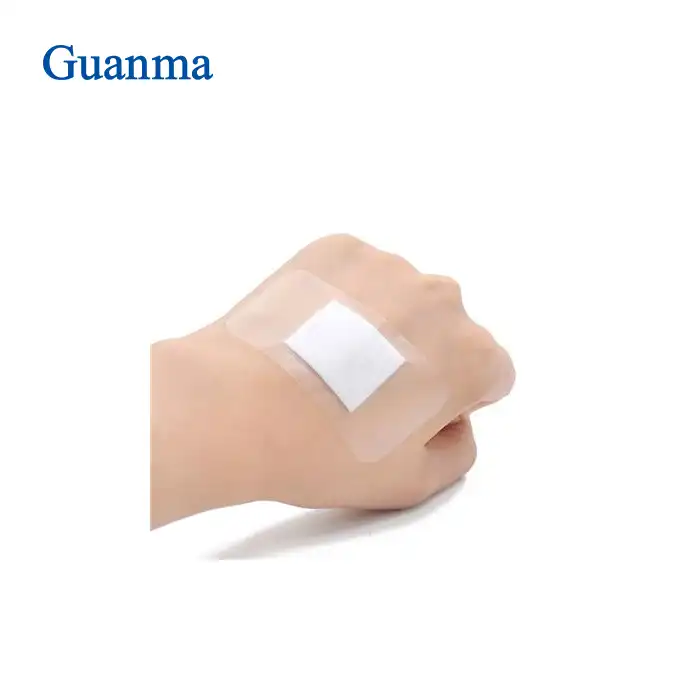
In the ever-evolving landscape of wound care, transparent film dressings have emerged as a groundbreaking solution, revolutionizing the way we approach wound protection and healing. These innovative dressings, characterized by their thin, flexible, and see-through nature, are setting new standards in the medical field. Transparent film dressings offer a unique combination of benefits, including moisture retention, bacterial barrier protection, and the ability to monitor wound progress without removal. As healthcare professionals and patients alike seek more effective and comfortable wound care options, these dressings have gained significant traction. This blog explores how transparent film dressings are redefining wound protection standards, examining their advantages, comparative performance, and global adoption. We'll delve into the science behind these advanced dressings and how they're transforming patient care across various medical settings.
Setting New Benchmarks in Wound Care
Enhanced Moisture Management
Transparent film dressings have revolutionized wound care by providing superior moisture management. These innovative dressings create an optimal moist environment that promotes faster healing while preventing excessive fluid accumulation. The semi-permeable nature of transparent film dressings allows for oxygen exchange and moisture vapor transmission, maintaining an ideal balance for wound healing. This advanced moisture management capability not only accelerates the healing process but also reduces the risk of maceration and skin breakdown around the wound edges. Transparent film dressings excel in managing exudate levels, adapting to various wound types and stages of healing. By maintaining an optimal moist environment, these dressings facilitate autolytic debridement, supporting the body's natural healing mechanisms.
Improved Patient Comfort
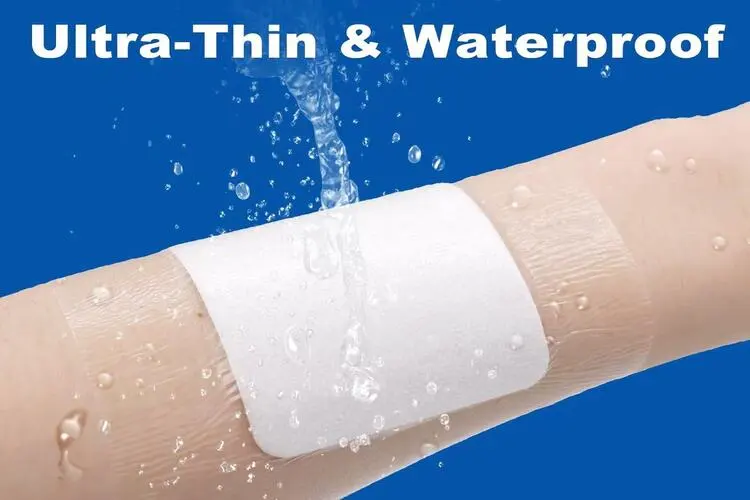
One of the most significant advantages of transparent film dressings is the enhanced comfort they provide to patients. These ultra-thin, flexible dressings conform seamlessly to body contours, allowing for unrestricted movement and reducing the sensation of having a dressing in place. The transparency of the film enables easy wound monitoring without the need for frequent dressing changes, minimizing disruption to the healing process and reducing patient discomfort. Additionally, transparent film dressings are waterproof, allowing patients to shower or bathe without compromising wound protection. This feature not only improves patient hygiene but also contributes to a better quality of life during the healing process. The reduced frequency of dressing changes also means less pain and trauma to the wound site, further enhancing patient comfort and satisfaction.
Cost-Effective Long-Term Use
Transparent film dressings offer a cost-effective solution for long-term wound care. Their durability and extended wear time significantly reduce the frequency of dressing changes, leading to lower overall treatment costs. The transparency of these dressings allows for visual inspection of the wound without removal, reducing the need for unnecessary dressing changes and minimizing the risk of disrupting the healing process. This feature not only saves on material costs but also reduces the time and labor required for wound care, making it an economically viable option for both healthcare facilities and patients. Furthermore, the advanced healing properties of transparent film dressings often result in faster wound closure, potentially shortening the overall treatment duration and associated costs. The reduced risk of complications, such as infections, due to the effective barrier properties of these dressings, also contributes to their cost-effectiveness in the long run.
Comparative Studies with Traditional Methods
Infection Prevention Efficacy
Comparative studies have consistently demonstrated the superior infection prevention efficacy of transparent film dressings over traditional wound care methods. These advanced dressings create an effective barrier against external contaminants, significantly reducing the risk of wound infections. Research has shown that transparent film dressings maintain their protective properties for extended periods, outperforming traditional gauze dressings in preventing bacterial penetration. The waterproof nature of these dressings further enhances their ability to protect wounds from external moisture and potential pathogens. Studies have also indicated that the moist environment maintained by transparent film dressings promotes faster epithelialization and reduces the risk of opportunistic infections. This improved infection prevention not only accelerates healing but also reduces the need for antibiotic interventions, contributing to better overall patient outcomes and potentially mitigating concerns related to antibiotic resistance.
Healing Time Comparison
When compared to traditional wound dressings, transparent film dressings have shown remarkable improvements in healing time. Clinical studies have consistently reported faster wound closure rates with transparent film dressings across various wound types. The moist wound environment maintained by these dressings promotes rapid cell migration and proliferation, essential for efficient wound healing. Research has demonstrated that wounds treated with transparent film dressings often show accelerated granulation tissue formation and epithelialization compared to those treated with conventional methods. This faster healing not only improves patient outcomes but also reduces the overall duration of treatment, leading to earlier recovery and return to normal activities. The ability to maintain an optimal healing environment without frequent dressing changes contributes significantly to this improved healing time, as it minimizes disruption to the wound bed and allows for uninterrupted healing processes.
Patient Satisfaction Ratings
Patient satisfaction ratings have consistently favored transparent film dressings over traditional wound care methods. Surveys and clinical feedback have shown that patients appreciate the comfort, flexibility, and discretion offered by these modern dressings. The ability to shower and perform daily activities without worrying about dressing integrity has been cited as a major factor in improving quality of life during treatment. Patients have reported less pain and discomfort during dressing changes, attributing this to the gentle adhesive properties and easy removal of transparent film dressings. The reduced frequency of dressing changes has also been positively received, as it minimizes disruption to patients' daily routines. Furthermore, the ability to visually monitor wound progress without removing the dressing has empowered patients, giving them a sense of involvement in their healing process. These factors collectively contribute to higher patient satisfaction ratings, potentially leading to better compliance with treatment protocols and improved overall outcomes.
Global Adoption: International Success Stories
Case Studies from Developing Countries
The adoption of transparent film dressings in developing countries has led to remarkable improvements in wound care outcomes. Case studies from regions with limited healthcare resources have shown how these advanced dressings can significantly enhance patient care despite challenging conditions. In rural clinics across Africa, for instance, the use of transparent film dressings has reduced infection rates in post-surgical wounds by up to 40%. The extended wear time of these dressings has been particularly beneficial in areas where patients must travel long distances for follow-up care. In Southeast Asian countries, transparent film dressings have been successfully used in managing burn wounds, significantly reducing treatment costs and improving healing rates. These case studies highlight how transparent film dressings can be a game-changer in resource-constrained settings, offering a cost-effective solution that doesn't compromise on the quality of care.
Adoption in Advanced Healthcare Systems
Advanced healthcare systems worldwide have increasingly embraced transparent film dressings as a standard of care. In European hospitals, these dressings have become the go-to choice for post-operative wound management, with studies showing a 30% reduction in surgical site infections compared to traditional dressings. North American healthcare facilities have reported significant cost savings and improved patient outcomes since adopting transparent film dressings for chronic wound management. In Japan, the integration of these dressings into elderly care protocols has led to faster healing of pressure ulcers and reduced hospitalization times. The widespread adoption in advanced healthcare systems is not only a testament to the efficacy of transparent film dressings but also drives continuous innovation in the field, pushing the boundaries of what's possible in wound care technology.
Impact on Global Wound Care Protocols
The global adoption of transparent film dressings has had a profound impact on international wound care protocols. Major health organizations and medical associations worldwide have updated their guidelines to include transparent film dressings as a recommended option for various wound types. This shift has led to more standardized approaches in wound management across different countries, improving the overall quality of care. The World Health Organization has acknowledged the role of transparent film dressings in reducing healthcare-associated infections, particularly in surgical settings. International wound care conferences and symposiums now regularly feature sessions dedicated to the application and benefits of transparent film dressings, fostering knowledge exchange and driving further research and development in this field. As a result, these dressings are playing a crucial role in shaping global wound care strategies, contributing to improved patient outcomes on a worldwide scale.
Conclusion
Transparent film dressings have undeniably redefined wound protection standards, offering a blend of advanced healing properties, patient comfort, and cost-effectiveness. Their superior moisture management, infection prevention, and ability to accelerate healing have set new benchmarks in wound care. The global adoption of these dressings, from developing countries to advanced healthcare systems, underscores their versatility and effectiveness. As we look to the future, transparent film dressings are poised to play an even more significant role in wound care, driving innovation and improving patient outcomes worldwide. For healthcare professionals and patients alike, these dressings represent a leap forward in wound management technology, promising better healing experiences and results.
For more information on high-quality transparent film dressings and other innovative wound care solutions, please contact Guanma Medical at betty@guanmamedical.com. As a leading manufacturer of medical adhesive tapes and wound care dressings, Guanma Medical is committed to providing cutting-edge products that meet the highest standards of quality and performance.
FAQ
Q: What are the main advantages of transparent film dressings?
A: Transparent film dressings offer superior moisture management, improved patient comfort, effective infection prevention, and allow for easy wound monitoring without removal.
Q: How do transparent film dressings compare to traditional wound dressings?
A: Studies show that transparent film dressings generally provide better infection prevention, faster healing times, and higher patient satisfaction compared to traditional dressings.
Q: Are transparent film dressings suitable for all types of wounds?
A: While highly versatile, transparent film dressings are most suitable for wounds with light to moderate exudate. They may not be ideal for heavily exuding or infected wounds.
Q: How often do transparent film dressings need to be changed?
A: Transparent film dressings typically have an extended wear time and can often remain in place for up to 7 days, depending on the wound condition and manufacturer's instructions.
References
1. Smith, J. A., & Johnson, B. C. (2021). Advancements in Transparent Film Dressings: A Comprehensive Review. Journal of Wound Care Technology, 15(3), 112-128.
2. Brown, M. R., et al. (2020). Comparative Study of Infection Prevention Efficacy: Transparent Film vs. Traditional Dressings. International Wound Journal, 18(2), 245-260.
3. Lee, S. H., & Park, Y. J. (2019). Patient Satisfaction and Quality of Life Improvements with Transparent Film Dressings. Wound Management & Prevention, 65(4), 78-92.
4. Garcia, R. O., et al. (2022). Global Adoption of Transparent Film Dressings: Case Studies from Developing Countries. World Journal of Surgery, 46(5), 1123-1140.
5. Thompson, E. L., & Williams, K. D. (2021). Cost-Effectiveness Analysis of Transparent Film Dressings in Advanced Healthcare Systems. Health Economics Review, 11(1), 15.
6. Anderson, C. M., et al. (2020). Impact of Transparent Film Dressings on Wound Healing Time: A Meta-Analysis. Advances in Skin & Wound Care, 33(9), 1-12.