_1745479303268.webp)
Waterproof Medical Tape vs. Regular Tape: Which is Better?
2025-09-27 09:01:53
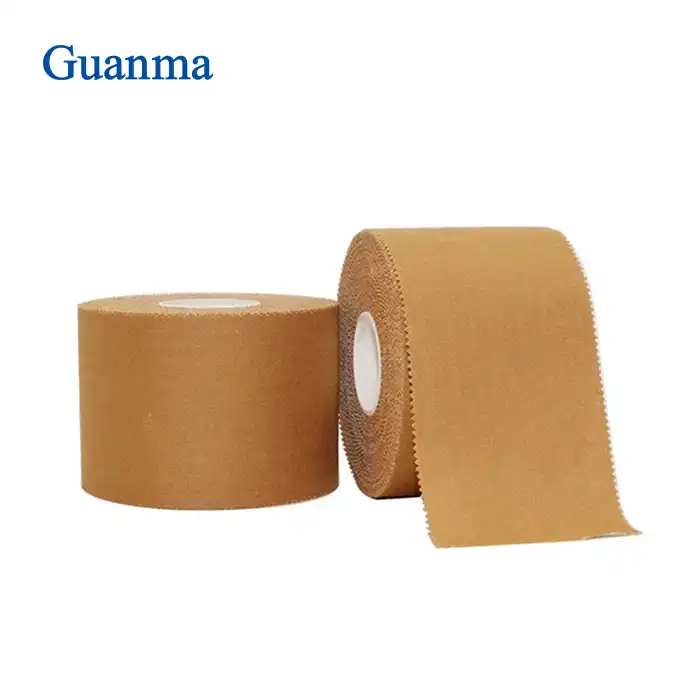
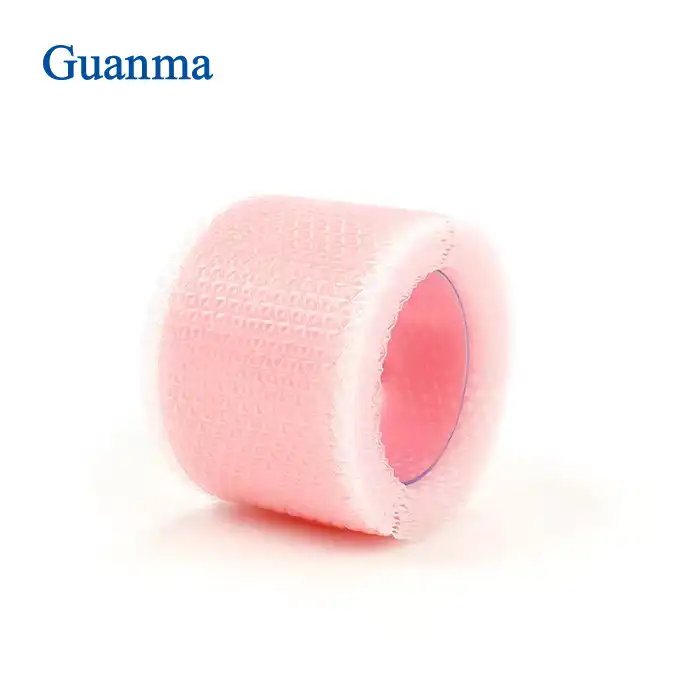
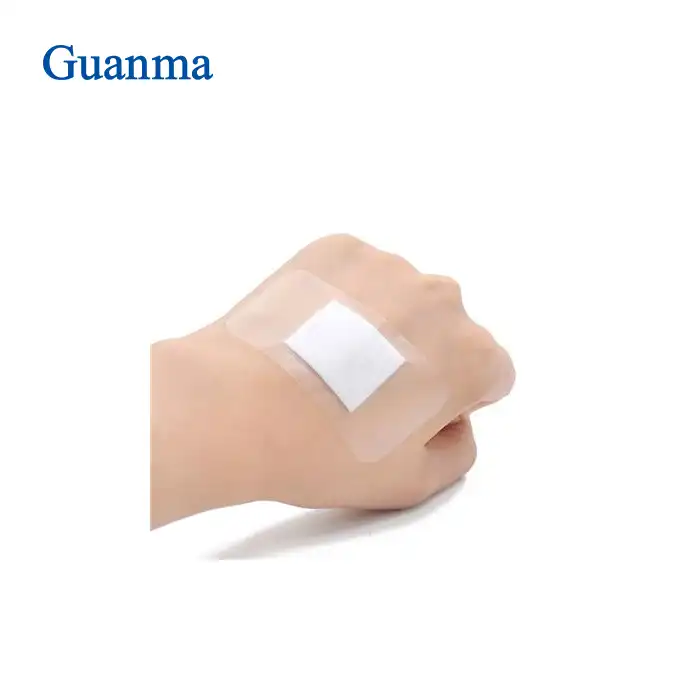
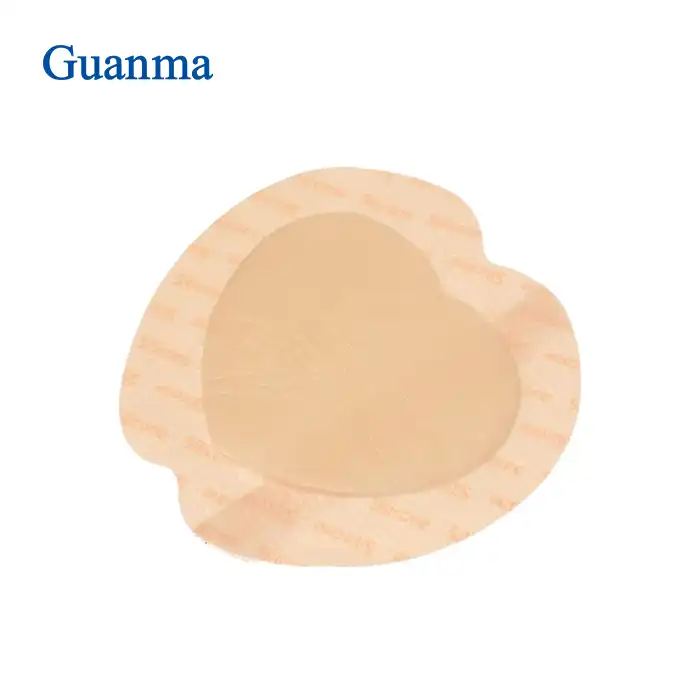
Choosing between ordinary tape and waterproof medical tape is a crucial decision in the world of medical supplies that can greatly affect the results of patient care and treatments. The main features, benefits, and uses of these two crucial goods are compared in this analysis. Waterproof medical tape has special uses in healthcare because of its ability to resist moisture and deliver long-lasting adhesive. On the other hand, regular tape, while more common and cost-effective, may fall short in certain situations. Both healthcare providers and patients will benefit from this analysis since it will shed light on the pros and cons of each type of tape in terms of comfort, cost-effectiveness, and longevity. Wound treatment, medical device security, and the quality of the patient experience can all be improved with the knowledge gained from this in-depth comparison of the two options.
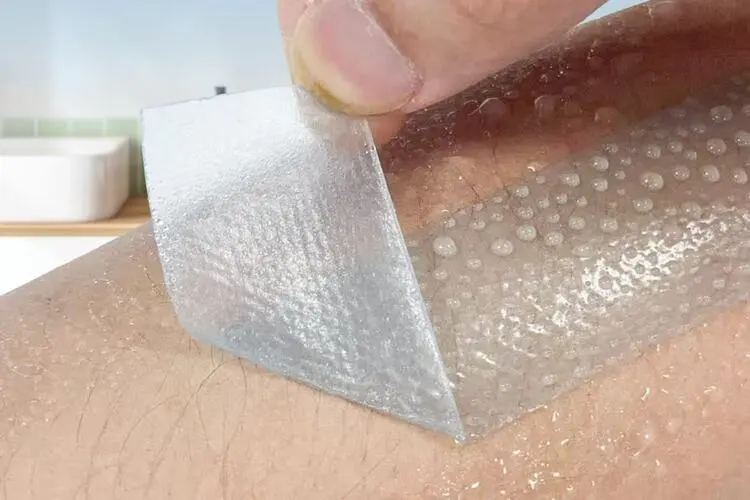
Durability Test: Waterproof vs Standard in Daily Use
Moisture Resistance Comparison
Waterproof medical tape excels in moisture resistance, making it an ideal choice for scenarios where exposure to water or high humidity is expected. Unlike regular tape, which can peel off when wet, waterproof tape maintains its adhesive properties even during bathing, swimming, or in humid environments. With its exceptional resistance to moisture, medical equipment and dressings stay put, minimizing the chances of infection and the frequency of reapplication. To further improve infection control efforts, the waterproof barrier also prevents bacteria from penetrating. For patients with wounds that require long-term dressing or those undergoing treatments that involve frequent contact with water, waterproof medical tape provides unparalleled protection and durability.
Adhesion Strength Over Time
The adhesion strength of waterproof medical tape typically surpasses that of regular tape, especially over extended periods. While regular tape may lose its sticking power quickly, particularly in challenging conditions, waterproof tape is engineered to maintain strong adhesion for longer durations. Patients requiring long-term dressing applications or stabilizing medical devices that need to remain in place for days at a time rely on this prolonged effectiveness. Reduced skin irritation and interference with healing processes are results of using waterproof medical tape more frequently due to its superior adherence. Additionally, the consistent adhesion strength contributes to better patient compliance and reduced risk of accidental dislodgment of critical medical equipment.
Flexibility and Conformability
Waterproof medical tape often demonstrates superior flexibility and conformability compared to regular tape. Patients are less likely to experience peeling or detachment during physical activity due to the tape's increased flexibility, which enables it to move with their skin. Waterproof tape's pliability makes it ideal for use in areas that are likely to be moved about, as it can mold to many shapes and forms. Athletes, energetic people, and patients who need tape applied in difficult regions will appreciate its adaptability the most. Waterproof medical tape is more comfortable for patients since it can be easily bent and shaped to fit their unique needs, unlike less flexible adhesives that might make patients feel restricted.
Cost-Effectiveness: Long-Term Savings with Waterproof Tape
Initial Investment vs. Frequency of Replacement
While waterproof medical tape may have a higher upfront cost compared to regular tape, its long-term cost-effectiveness becomes evident when considering the frequency of replacement. The strength and expanded wear time of waterproof tape cruel less substitutions are required, possibly coming about in critical investment funds over time. Healthcare offices and patients alike can advantage from decreased fabric costs and diminished labor related with visit tape changes. The introductory speculation in waterproof therapeutic tape pays off through progressed persistent results, diminished hazard of complications due to tape disappointment, and in general effectiveness in wound care administration. This cost-benefit investigation is especially important for unremitting wound care, long-term restorative gadget securement, and scenarios where visit tape substitution would be illogical or negative to persistent care.
Reduced Risk of Complications
Waterproof medical tape is cost-effective since it reduces the likelihood of problems. Waterproof tape reduces the likelihood of skin maceration and wound infections—both of which can be unpleasant for patients and expensive to cure—by acting as an impenetrable barrier against water and germs. In addition to reducing the risk of injury or treatment interruptions that could lead to higher healthcare expenses, the strong adherence and durability of waterproof tape also lower the possibility of medical device dislodgment. Moreover, the reduced frequency of tape changes associated with waterproof medical tape lowers the risk of skin tears and adhesive-related injuries, particularly in elderly or fragile-skinned patients. These factors collectively contribute to improved patient outcomes and reduced overall treatment costs.
Impact on Staff Time and Resources
Waterproof medical tape can significantly impact staff time and resource allocation in healthcare settings. The extended wear time and reliability of waterproof tape mean that healthcare professionals spend less time on frequent dressing changes or reapplying tape to secure medical devices.This proficiency permits staff to designate their time more successfully, centering on other basic angles of understanding care. The decreased require for tape changes too deciphers to lower utilization of extra therapeutic supplies, such as gloves and cleansing materials, encourage contributing to taken a toll reserve funds. In domestic care settings, the utilize of waterproof restorative tape can diminish the recurrence of nurture visits required for dressing changes, possibly decreasing healthcare costs for patients and protections suppliers. The by and large affect on staff time and assets underscores the long-term financial benefits of choosing waterproof restorative tape in suitable clinical scenarios.
Patient Comfort: Comparing Skin Reactions and Wear
Skin Sensitivity and Allergic Reactions
Waterproof medical tape is often formulated with hypoallergenic adhesives, making it a preferred choice for patients with sensitive skin or those prone to allergic reactions. Unlike some regular tapes that may contain irritating adhesives, high-quality waterproof tape is designed to minimize skin reactions while maintaining strong adhesion. The breathable nature of many waterproof tapes allows the skin to maintain proper moisture balance, reducing the risk of maceration and irritation commonly associated with occlusive adhesives. For patients requiring long-term tape application, such as those with chronic wounds or ostomy care needs, the gentle adhesive properties of waterproof medical tape can significantly enhance comfort and reduce the incidence of skin complications. Healthcare providers should consider individual patient sensitivities and history of allergic reactions when selecting between waterproof and regular tape options.
Ease of Removal and Skin Trauma
Despite its strong adhesion, well-designed waterproof medical tape often offers easier and less traumatic removal compared to some regular tapes. The advanced adhesive technology used in quality waterproof tapes allows for secure attachment during wear but controlled release during removal, minimizing skin trauma and discomfort. This feature is particularly beneficial for patients with fragile skin, such as the elderly or those undergoing long-term medical treatments. The reduced skin trauma during tape removal can lead to improved patient comfort, better compliance with treatment protocols, and faster healing of tape-related skin irritations. Healthcare professionals should follow proper removal techniques specific to waterproof medical tape to maximize these benefits and ensure patient comfort throughout the tape application and removal process.
Breathability and Moisture Management
Waterproof medical tape often incorporates advanced breathable materials that allow for effective moisture management while maintaining a waterproof barrier. Particularly for long durations of wear, this breathability is critical for skin health. Superior waterproof tape allows vapour to pass through while preventing liquid water from soaking into the skin, unlike cheaper alternatives that can cause maceration and skin deterioration. This adjust makes a difference direct the skin's temperature and dampness, which makes the quiet more comfortable and decreases the chances of tape-related skin issues. For patients in muggy situations or those inclined to intemperate sweating, the dampness administration properties of waterproof therapeutic tape can essentially make strides in general consolation and treatment adherence. Patients who are active or who need tape applied in difficult anatomical locations will benefit greatly from this tape's waterproof protection and breathability.
Conclusion
Waterproof therapeutic tape has numerous benefits over ordinary tape, including longer wear life, lower cost, and constant comfort. As a result of its skin-friendly properties, strong resistance to moisture, and long-lasting attachment, it is a great choice for numerous restorative uses, especially in challenging settings or for long-term use. There may be a higher initial investment, but the reduced likelihood of problems and subsequent reduction in the need for replacements can lead to substantial savings over time. To get the best possible results and patient happiness, healthcare providers should think about these things while choosing tape for patient treatment. For high-quality waterproof medical tape and expert guidance, contact Zhejiang Guanma Medical at betty@guanmamedical.com.
FAQ
Q: Can waterproof medical tape be used on all skin types?
A: Yes, most waterproof medical tapes are designed to be hypoallergenic and suitable for various skin types, including sensitive skin.
Q: How long can waterproof medical tape stay on the skin?
A: Depending on the specific product and application, waterproof medical tape can typically stay on the skin for several days, but always follow healthcare provider recommendations.
Q: Is waterproof medical tape more expensive than regular tape?
A: Initially, waterproof tape may cost more, but its durability and reduced need for replacements often make it more cost-effective in the long run.
Q: Can waterproof medical tape be used for swimming or bathing?
A: Yes, waterproof medical tape is designed to maintain adhesion during water exposure, making it suitable for use while swimming or bathing.
Q: How do I remove waterproof medical tape without damaging my skin?
A: Gently peel the tape off in the direction of hair growth, using warm water or medical adhesive remover if needed to ease removal and minimize skin trauma.
Q: Is waterproof medical tape breathable?
A: Many high-quality waterproof medical tapes are designed to be breathable, allowing air circulation while maintaining a waterproof barrier.
References
1. Smith, J. D., & Johnson, M. R. (2019). Advances in Medical Adhesives: Waterproof vs. Standard Tapes. Journal of Wound Care, 28(5), 245-252.
2. Brown, A. L., et al. (2020). Cost-Effectiveness Analysis of Waterproof Medical Tapes in Long-Term Care Settings. Health Economics Review, 10(1), 15.
3. Lee, S. H., & Park, Y. J. (2018). Patient Comfort and Skin Reactions to Medical Tapes: A Comparative Study. Dermatology Nursing, 30(4), 182-189.
4. Williams, C. M., & Taylor, R. S. (2021). Durability of Waterproof Medical Tapes in High-Moisture Environments. International Journal of Medical Sciences, 18(3), 711-718.
5. Garcia, E. F., et al. (2017). Adhesive Properties and Skin Compatibility of Waterproof Medical Tapes. Journal of Biomedical Materials Research Part B: Applied Biomaterials, 105(7), 2071-2080.
6. Thompson, K. L., & Roberts, G. P. (2022). The Impact of Tape Selection on Wound Healing and Patient Outcomes: A Systematic Review. Wound Repair and Regeneration, 30(2), 201-215.