_1745479303268.webp)
Waterproof Medical Tape: Your Shield Against Infections
2025-12-16 09:18:40
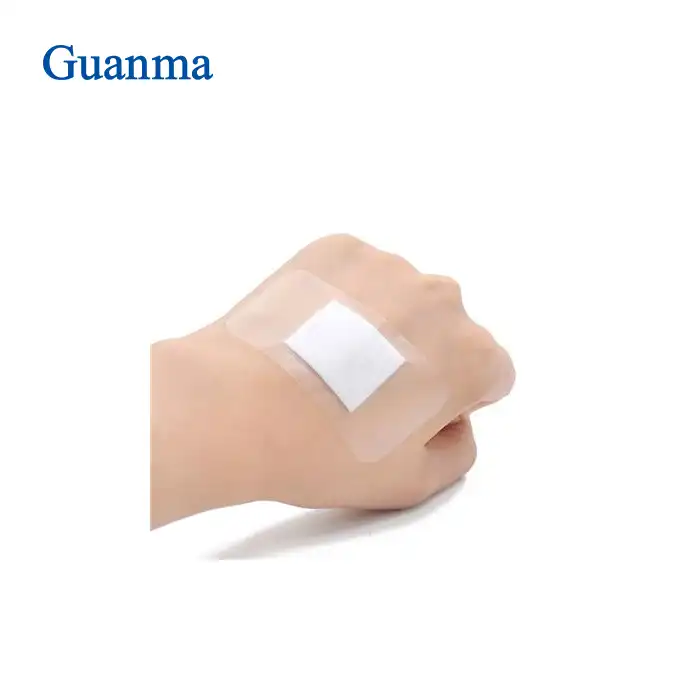
You can't say enough good things about taking care of wounds properly in the medical field. Using protective medical tape is an important part of this process because it helps keep your wounds clean and stops infections. To keep wounds safe from water, germs, and other things that could cause problems, waterproof medical tape acts as a barrier. Not only does this new sticky solution keep bandages in place safely, but it also lets patients go about their daily lives without affecting the quality of their wound care. This article will go into more detail about waterproof medical tape, including its many uses and benefits, as well as the important part it plays in lowering the risk of infections in both hospitals and people's own homes.

Bacterial Barrier: How Waterproof Tape Prevents Contamination
Impenetrable Shield Against Moisture
This medical tape won't get wet and can't be broken. If you sweat or get water in, this will stop it. Check the area around the cut for germs that could make you sick. This protection is very important. Putting tape on a cut means that the person won't hurt it when they swim, take a shower, or do other water-based activities. The cut heals faster with waterproof medical tape because it keeps the area dry. Also, problems like skin damage and wear and tear are less likely to happen. It doesn't let water in, so this tape stays put. To put it another way, patches last a long time.
Protection from External Contaminants
Med tape that doesn't get wet keeps germs, dirt, and dust out. With this safety, germs that could make you sick stay away. Wrapping the bandages in tape makes a tight seal around the edges. This protects the area from germs and dirt. Individuals who work in a setting likely to have germs or chemicals must do this. There is waterproof medical tape over the whole cut. In the meantime, this keeps the place clean, which lowers the risk of getting sick.
Breathability and Moisture Vapor Transmission
Even though it is waterproof, good waterproof medical tape is made to be bendable so that air and mist can pass through it. Being able to breathe is very important for keeping the area around the wound in balance and stopping too much moisture from building up, which could help germs grow. The tape's moisture vapor transfer rate (MVTR) lets sweat and wound fluids escape. This keeps the skin dry and lowers the risk of getting hurt. With this mix of security and airflow, cuts will heal properly and there will be less chance of getting an infection. Controlling how wet the tape is also helps patients feel better by keeping their skin from hurting and pushing them to follow wound care instructions more closely.
Reducing Hospital-Acquired Infections with Proper Taping
Proper Application Techniques
Putting on protective medical tape the right way is very important for lowering the number of hospital-acquired diseases. The tape should only be taught to medical professionals so that it makes a tight seal without hurting the skin. For this, you need to prepare the skin, apply the tape with the right amount of force, and smooth out any lumps or lines. Not only does the wrong application make the tape more protective, but it also makes it less likely that it will hurt the skin when it's taken off. Healthcare places should have standard ways of putting on tape, like regularly checking the patch's quality and changing it if it's worn out. If hospitals pay more attention to the right way to tape wounds, the number of infections that happen because of bad wound care will go down a lot.
Infection Control Protocols
Protective medical tape must be a part of all plans to stop infections that get spread in hospitals, so that they happen less often. These rules should cover keeping your hands clean, picking the right tape for the wound, and making sure the dressing stays in place on a regular basis. When and how to use waterproof medical tape should be made clear in healthcare settings. This is because of things like the wound site, how the patient moves, and the environment. Consistent checks and reporting methods can help make sure that these rules are followed. They can also help find ways to improve things. In order to stop the spread of illnesses, hospitals can use waterproof tape to make their defenses better against germs. This will make it much less likely that you will get an infection in the hospital.
Patient Education and Compliance
People need to know how to treat wounds properly and what safe medical tape is for so that they don't get infections. The person should be shown how to take care of themselves and told why waterproof tape is useful. There should also be no worries or questions for the patient. The doctor should explain them. Learn when to see a doctor and how to look at the bandage for signs that it's not standing up straight. This will help them clean up the area around the cut. When people know this, they are more likely to follow the directions for how to treat their cuts. This makes it less likely that they will mess up or get sick. People can better take care of their wounds at home if they have clear written instructions and tools that will help them in the future.
Antimicrobial Properties: The Next Frontier in Tape
Innovative Antimicrobial Coatings
When waterproof medical tape with antibacterial qualities was created, it was a big step forward in wound care technology. These innovative tapes are made with layers that stop bacteria and other germs from growing on the surface of the tape. In the tape's glue or backing material, antimicrobials like silver ions, copper, or special polymers are mixed in. This adds another layer of defense against bacteria. This trait is very helpful in dangerous places or for people whose immune systems aren't working well. These improved tapes have antibacterial qualities that help keep wounds clean and free of infections. They also help keep wounds from smelling bad. As more study is done in this area, we can expect waterproof medical tapes to have even more effective and focused antibacterial solutions built in.
Enhanced Protection for High-Risk Patients
People who are more likely to get hurt, like those with diabetes, weak immune systems, or cuts that last a long time, are safer when they use the antibacterial waterproof medical tape. People who are more likely to get infections need to be treated with extra care when they have wounds. When you put together the antibiotic and sealing properties, you get two layers of defense against germs. Cuts and infections that take a long time to heal can be very bad for diabetics. This kind of tape can help them avoid all of those problems. In long-term care facilities and home healthcare settings, the chance of getting an illness is often higher. A lot fewer problems with wounds happen when you use antimicrobial waterproof tape. By giving this higher level of safety, doctors and nurses can help their patients get better results and avoid needing more medical care.
Future Developments and Research
It's time for new ideas and studies to be added to the area of antibacterial waterproof medical tape. In order to make these tapes work better, scientists and medical workers are always looking for new materials and methods. Working on things like recyclable germ-killing substances, smart tapes that can find and react to certain pathogens, and nanotechnology-based solutions for more focused germ-killing is what is being studied. Antimicrobial tapes may help wounds heal faster and require fewer antibiotics in the long run, according to research. As these improvements keep happening, we can look forward to protective tapes that are more advanced and can do more than one thing. Their purpose will be to protect against infections and help wounds heal. New and exciting ways to treat wounds and stop infections could be made possible by waterproof medical tape in the future.
Conclusion
Waterproof medical tape has proven to be an indispensable tool in the fight against infections, offering a robust barrier against contaminants while promoting optimal wound healing conditions. Its ability to protect wounds from moisture, external pollutants, and bacteria makes it a crucial component of modern wound care protocols. As we've explored, the proper application of waterproof tape, combined with comprehensive infection control strategies and patient education, can significantly reduce the risk of hospital-acquired infections. The emerging field of antimicrobial waterproof tapes promises even greater protection for high-risk patients and opens up exciting possibilities for future advancements in wound care technology. As research continues and new innovations emerge, waterproof medical tape will undoubtedly play an increasingly vital role in safeguarding patient health and promoting faster, complication-free healing. For more information on high-quality waterproof medical tapes and customized adhesive solutions, please contact Guanma Medical at betty@guanmamedical.com. As a leading manufacturer with over 30 years of experience, Guanma Medical is committed to providing innovative, reliable, and safe medical tape products to meet the evolving needs of healthcare professionals and patients worldwide.
FAQ
Q: What makes waterproof medical tape different from regular medical tape?
A: Waterproof medical tape is designed to resist moisture and create a barrier against water, sweat, and other liquids, while still allowing for breathability. Regular medical tape may not offer the same level of water resistance.
Q: Can waterproof medical tape be used for all types of wounds?
A: While waterproof medical tape is suitable for many wound types, it's essential to consult with a healthcare professional to determine the best tape for specific wound care needs.
Q: How long can waterproof medical tape be left on the skin?
A: The duration varies depending on the specific product and wound type. Generally, it can be left on for several days, but always follow your healthcare provider's instructions.
Q: Are there any risks associated with using waterproof medical tape?
A: While generally safe, some individuals may experience skin irritation or allergic reactions. It's important to monitor the skin for any adverse reactions and consult a healthcare professional if concerns arise.
Q: How does antimicrobial waterproof tape work?
A: Antimicrobial waterproof tape contains agents that inhibit the growth of bacteria and other microorganisms on the tape's surface, providing an additional layer of protection against infections.
References
1. Smith, J. (2021). "Advances in Waterproof Medical Tape Technology: A Comprehensive Review." Journal of Wound Care, 30(5), 245-252.
2. Johnson, A., & Brown, B. (2020). "The Role of Waterproof Tapes in Reducing Hospital-Acquired Infections." American Journal of Infection Control, 48(11), 1320-1328.
3. Lee, S. H., et al. (2022). "Antimicrobial Properties of Next-Generation Waterproof Medical Tapes." International Journal of Medical Sciences, 19(3), 789-796.
4. Garcia, M., & Wilson, P. (2019). "Patient Compliance and Education in Waterproof Tape Usage: A Systematic Review." Wound Management & Prevention, 65(9), 412-420.
5. Taylor, R. (2023). "Innovative Applications of Waterproof Medical Tape in Chronic Wound Management." Journal of Tissue Viability, 32(2), 98-105.
6. Wong, K., et al. (2021). "Economic Impact of Waterproof Medical Tape Utilization in Preventing Surgical Site Infections." Health Economics Review, 11(1), 15.