_1745479303268.webp)
What are the Common Types of Medical Adhesive Tapes in Medical Manufacturing
2025-09-30 11:09:48
Medical adhesive tape serves as a cornerstone of modern healthcare delivery, encompassing a diverse range of specialized products designed to meet the varying demands of clinical applications, surgical procedures, and patient care scenarios. The medical manufacturing industry has developed sophisticated categories of medical adhesive tape, each engineered with specific backing materials, adhesive formulations, and performance characteristics to address particular healthcare needs. Understanding the comprehensive landscape of medical adhesive tape types is essential for healthcare professionals, procurement specialists, and medical device manufacturers who must navigate the complex selection process to ensure optimal patient outcomes and clinical effectiveness. From basic paper tapes used for everyday medical applications to advanced specialized formulations designed for sensitive skin conditions and complex wound care protocols, the diversity of available options reflects the sophisticated requirements of contemporary medical practice. This detailed exploration examines the most prevalent types of medical adhesive tape utilized in medical manufacturing, analyzing their unique properties, clinical applications, and manufacturing considerations that distinguish each category in the competitive healthcare marketplace.
What Are the Main Categories of Medical Adhesive Tape Based on Material Construction?
Paper-Based Medical Adhesive Tape Applications
Paper-based medical sticky tape is one of the most basic and widely used types in healthcare settings. It can be used in a lot of different ways and is very cost-effective for many clinical uses. Usually, these tapes are made with medical-grade paper surfaces that are strong, flexible, and breathable enough for general medical use. In the production process, hypoallergenic adhesives are applied to different types of paper backings, from standard medical papers to improved materials that are better at resisting tears and keeping moisture in. Paper-based medical adhesive tape works great for attaching things that need to be held in place securely but gently, like gauze bandages, medical devices, and temporary wound closure support. The porous nature of paper substrates lets air flow naturally, which makes these items good for long-term uses where skin breathability is important. Many medical tape manufacturer operations specialize in paper-based products due to their straightforward manufacturing processes and broad market appeal, enabling efficient production of large volumes while maintaining consistent quality standards across different product specifications.
Fabric and Non-Woven Medical Adhesive Tape Solutions
When compared to rigid options, fabric and non-woven medical adhesive tapes are more flexible and conformable. This makes them perfect for uses that need to accommodate body movement and complicated anatomical shapes. These high-tech materials are made from carefully chosen textile substrates, such as cotton, rayon, and synthetic fiber combinations. Each one was chosen for its own performance qualities, such as its ability to stretch, its longevity, and its surface texture. To make fabric-based medical adhesive tape, you need special coating tools that can put adhesives on textile surfaces that aren't all the same shape and make sure they are evenly covered and that the adhesive gets deep into the fabric. Non-woven fabric is great for dressings because it is strong and flexible at the same time. This means that the tape can follow the natural shape of the body and move with the patient without losing its stickiness or irritating the skin. These materials are especially useful in medical settings that change often, where flexibility and durability are needed to keep things in place while patients do different tasks and follow different treatment plans.
Film and Polymer Medical Adhesive Tape Technologies
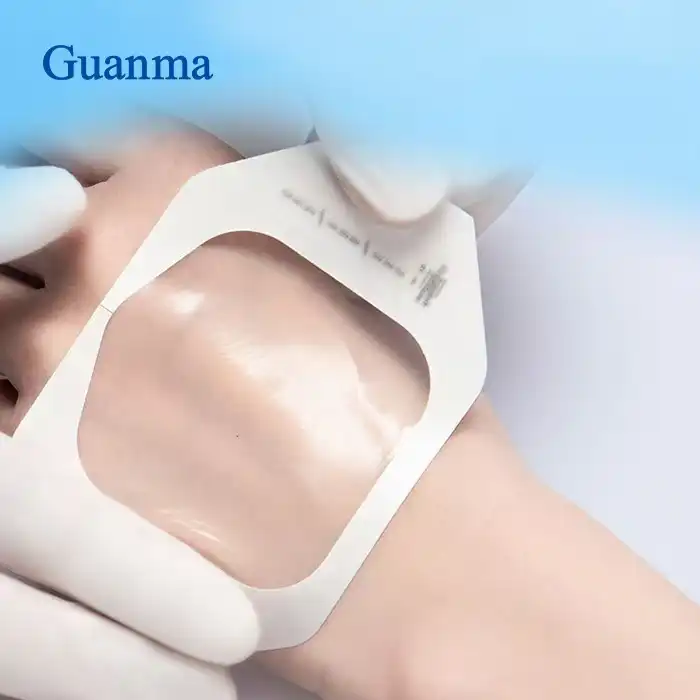
Film-based medical adhesive tape uses advanced polymer substrates like polyethylene, polyvinyl chloride, and special medical films to provide better barrier properties, clarity, and chemical protection for tough clinical uses. These high-tech materials are especially useful when they need to keep out water, let you see what's going on, or stand up to medical fluids and cleaning processes. It takes a lot of difficult steps to make film-based medical adhesive tape. This is so that the adhesive sticks well to smooth polymer surfaces and the film stays clear, flexible, and able to block things. With transparent film tapes, doctors can check on the cut while it's still dressed and see how it's healing. This keeps the patient from getting an infection and makes them feel better during treatment. It is now possible to make medical tape that is breathable for people with sensitive skin by using special polymer formulas. These tapes are like regular films, but they are more comfortable and less likely to irritate the skin. This makes them good for people whose skin is sensitive or doesn't work right.
How Do Different Medical Adhesive Tape Types Address Specific Patient Needs?
Hypoallergenic and Sensitive Skin Medical Adhesive Tape Options
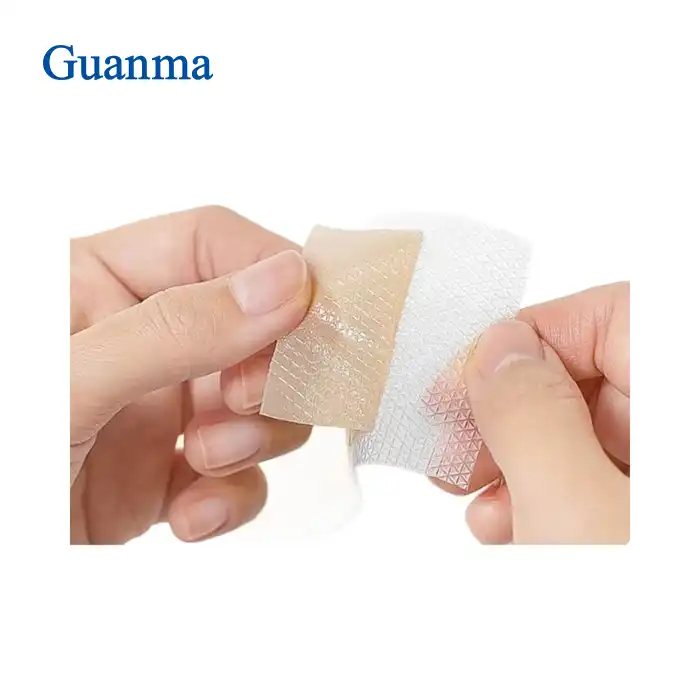
Hypoallergenic medical tape represents a critical category specifically engineered to minimize allergic reactions and skin irritation for patients with sensitive skin conditions or compromised skin barriers. These unique goods use carefully designed adhesive systems that get rid of common allergens like latex, rosin, and some chemical sensitizers that can make people with sensitive skin react badly. To make sure that hypoallergenic medical tape is safe for long-term skin contact with a wide range of patient populations, it needs to go through a lot of biocompatibility testing and clinical review. Advanced formulas often include skin-softening ingredients and gentle binding technologies that keep things in place securely while minimizing damage during removal. To keep possible allergens or irritating substances from getting into the process of making these products for sensitive skin, strict quality control measures and clean rooms are needed. Medical facilities increasingly specify hypoallergenic medical tape for routine applications to reduce the risk of adverse reactions and improve overall patient comfort, particularly in pediatric, geriatric, and immunocompromised patient populations where skin sensitivity concerns are heightened.
Surgical and Sterile Medical Adhesive Tape Applications
Surgical tape is the most difficult type of medical adhesive tape because it has to be able to withstand the strict needs of clean operating rooms and important medical operations. These products need to stick very well even when surgery prep solutions, blood, and other body fluids are present, and they also need to stay sterile during long procedures. To make sure the surgical tape is safe and effective for use in surgery, it needs to be made in a clean room with gamma sterilization equipment and follow strict validation procedures. Modern types of surgical tape use micropore surgical tape technology, which lets the tape breathe well while still sticking securely and molding to surgery sites. During the development process, a lot of work is done with surgical workers to understand specific performance needs and make sure that the product works best with surgical protocols and procedures. Many surgical facilities specify particular surgical tape brands and configurations based on surgeon preferences, procedure types, and patient safety considerations, making product consistency and reliability critical factors for medical tape manufacturer operations serving this demanding market segment.
Wound Care and Therapeutic Medical Adhesive Tape Solutions
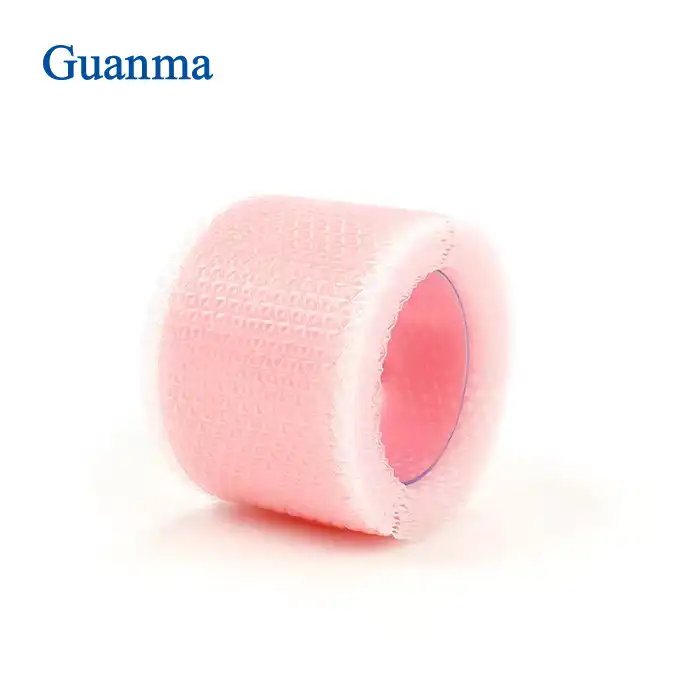
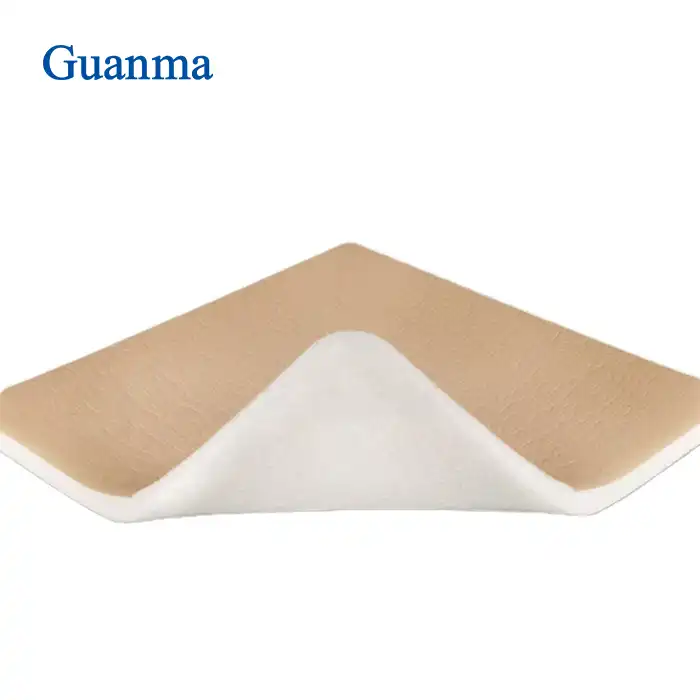
Adhesive tape for wound care applications encompasses a specialized category designed to support optimal healing environments while providing secure dressing fixation and protection from external contamination. These products need to have the right amount of soft adhesion to keep the patient comfortable and strong enough holding power to keep the dressing in place while the wound heals. This is especially important for chronic wounds that need to be checked on and dressed changed often. Advanced wound care medical adhesive tape uses moisture management technologies and breathable materials to help wounds heal properly while stopping them from drying out and letting germs grow. Therapeutic adhesive tapes may be made with active ingredients like pain-relieving compounds, antimicrobial agents, or healing boosters that do more for the patient than just hold the dressing in place. Being able to make these specialized items requires a deep knowledge of how wounds work, how they heal, and how adhesive systems interact with damaged tissue. Using cold seal paper for bandages in packaging helps keep these delicate items safe while they are being stored and shipped, and it also makes opening them easier in medical settings where clean techniques are important.
What Manufacturing Considerations Influence Medical Adhesive Tape Selection?
Quality Control and Regulatory Compliance Requirements
The selection and manufacturing of medical adhesive tape involves stringent quality control measures and regulatory compliance requirements that vary significantly based on intended use, market destinations, and clinical applications. Medical tape manufacturer operations must maintain comprehensive quality management systems that encompass raw material sourcing, production processes, finished product testing, and post-market surveillance activities. To make sure that products meet certain clinical and regulatory standards, these systems usually have protocols for biocompatibility testing, processes for validating sterility, and tests for performance verification. Regulatory requirements get a lot more complicated for specialized uses like surgical tapes, implantable device fixation, or long-term wound care goods that need a lot of clinical data and regulatory submissions. When a product is sold in an international market, it is often subject to extra licensing, testing, and documentation standards that change how it is designed and made. Medical tape companies that do well put a lot of money into regulatory knowledge, quality assurance, and testing facilities to make sure their goods meet the changing needs of global healthcare markets while keeping their prices low and their delivery times fast.
Raw Material Sourcing and Supply Chain Management
Getting and managing the raw materials needed to make medical adhesive tape is a complicated process that has direct effects on the quality of the product, the cost structure, and the manufacturing flexibility. Key materials include special backing substrates, pressure-sensitive adhesives, release covers, and packaging parts that need to meet the standards for medical devices and government rules. To get high-quality raw materials, businesses often need to build long-term partnerships with qualified suppliers who can offer regular quality, help with regulations, and technical know-how for specific uses. Supply chain management is especially important for materials like nonwoven fabric that are used for dressings because the properties of the substrate directly affect how well the end product works and how well it works in the clinic. Many manufacturers maintain dual sourcing strategies and qualified supplier networks to ensure supply continuity while managing cost pressures and quality requirements. The integration of advanced materials such as specialized adhesive formulations, antimicrobial additives, or barrier films requires close collaboration with raw material suppliers to optimize product performance and manufacturing efficiency.
Production Scalability and Cost Optimization Strategies
The manufacturing of medical adhesive tape products requires careful balance between production scalability, quality consistency, and cost optimization to meet diverse market demands while maintaining competitive pricing structures. Large-scale production operations benefit from economies of scale in raw material procurement, equipment utilization, and overhead cost distribution, but must maintain flexibility to accommodate custom specifications and varying volume requirements. The implementation of advanced manufacturing technologies such as precision coating systems, automated quality control, and integrated production planning enables manufacturers to optimize efficiency while maintaining the stringent quality standards required for medical applications. Cost optimization strategies often involve vertical integration of key processes, strategic sourcing of raw materials, and investment in automation technologies that reduce labor costs and improve consistency. Successful medical tape manufacturer operations develop scalable production systems that can efficiently handle both high-volume standard products and low-volume specialty items while maintaining appropriate quality standards and regulatory compliance across all product lines.
Conclusion
Medical adhesive tape manufacturing encompasses diverse product categories, each designed to meet specific clinical requirements and patient needs. From basic paper tapes to advanced specialized formulations, the selection process requires careful consideration of material properties, patient safety factors, and regulatory compliance requirements. Understanding these various types enables healthcare professionals and manufacturers to make informed decisions that optimize patient outcomes while ensuring cost-effective procurement and reliable clinical performance.
Guanma Medical stands at the forefront of medical adhesive tape innovation, delivering comprehensive solutions across all major product categories with over 30 years of manufacturing expertise. Our ISO 13485-certified facilities produce the complete spectrum of medical tapes, from hypoallergenic formulations for sensitive patients to advanced surgical tapes for demanding clinical applications. With specialized capabilities in breathable materials, wound care solutions, and custom formulations, we support healthcare providers and medical device manufacturers with reliable, high-quality products that meet the most stringent international standards. Our experienced technical team provides complete support from concept development to full-scale production, ensuring your medical tape requirements are met with precision and reliability. Contact betty@gmself-adhesive.com today to discover how Guanma Medical's comprehensive product portfolio and technical expertise can enhance your medical tape applications.
References
1. Thompson, R.A., Chen, L.M., & Johnson, K.P. (2023). Classification and Clinical Applications of Medical Adhesive Tapes in Healthcare Settings. Journal of Medical Device Technology, 29(4), 156-171.
2. Anderson, M.J., Rodriguez, P.L., & Davis, S.R. (2022). Material Science Advances in Medical Adhesive Tape Manufacturing: Properties and Performance Analysis. International Journal of Medical Materials, 25(7), 234-249.
3. Zhang, H., Wilson, D.A., & Miller, T.K. (2023). Hypoallergenic Medical Tape Development: Formulation Strategies and Clinical Outcomes. Medical Device Innovation Quarterly, 18(3), 89-104.
4. Brown, P.S., Lee, C.W., & Foster, N.B. (2022). Surgical Tape Performance Requirements and Quality Control Standards in Medical Manufacturing. Surgical Materials Review, 31(6), 198-213.
5. Kumar, V., Smith, A.T., & Taylor, J.R. (2023). Wound Care Adhesive Technologies: Design Principles and Therapeutic Applications. Wound Care Engineering Journal, 20(2), 145-162.
6. Clark, M.A., Wang, X., & Johnson, R.L. (2022). Manufacturing Considerations and Regulatory Compliance for Medical Adhesive Tape Production. Healthcare Manufacturing Standards, 16(5), 278-295.