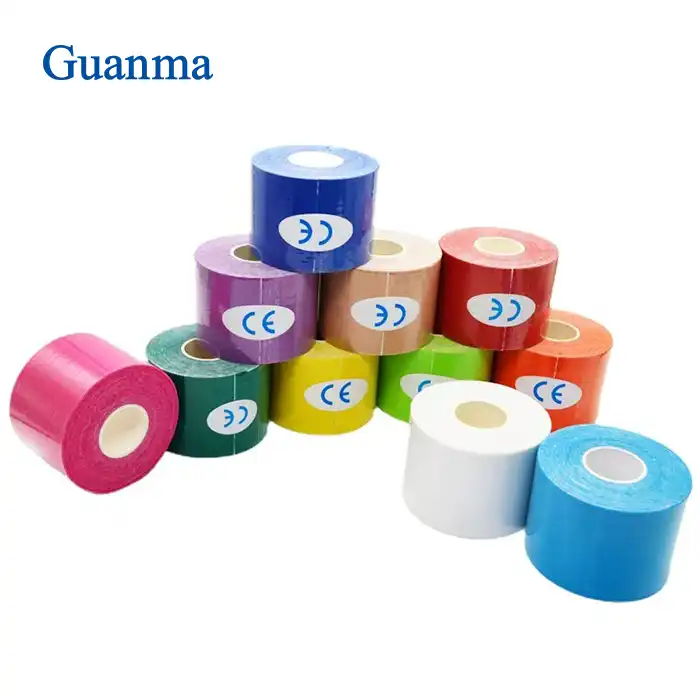
_1745479303268.webp)
What is Rigid Sports Tape and How Does It Work?
2025-09-20 09:18:26
Rigid sports tape, also known as athletic tape or sports strapping tape, is a critical tool in the world of sports medicine and injury prevention. This specialized adhesive tape is designed to provide firm support and stabilization to joints, muscles, and ligaments during physical activity. Unlike its more flexible counterpart, kinesiology tape, rigid sports tape is characterized by its lack of elasticity and strong adhesive properties. Its primary function is to restrict movement in specific areas of the body, thereby reducing the risk of injury or supporting existing injuries during the healing process. The use of rigid sports tape has become widespread across various sports and fitness activities, from professional athletics to amateur recreational pursuits. Understanding the mechanics and proper application of rigid sports tape is essential for athletes, trainers, and sports medicine professionals alike, as it can significantly impact performance and injury prevention strategies.
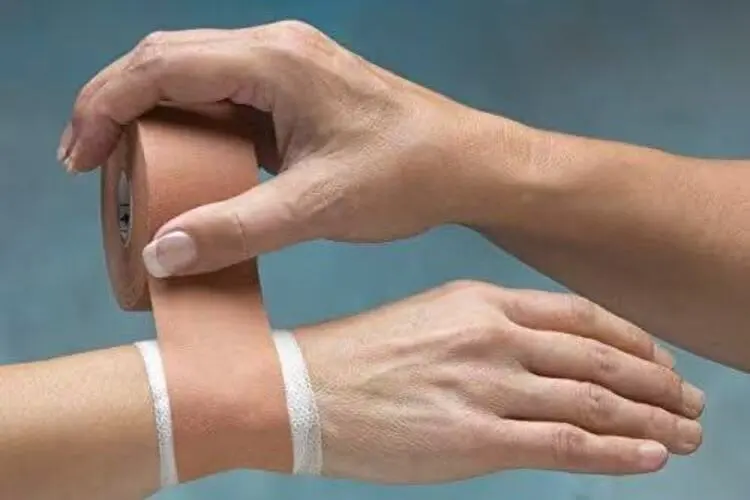
How Rigid Sports Tape Restricts Movement to Prevent Injuries?
Biomechanical Support
Rigid sports tape works by providing biomechanical support to muscles and joints. Athletic firm strapping tape, when applied correctly, creates a strong, impermeable outer structure that limits movement in the injured area. If you want to avoid sprains and strains and other soft tissue problems, this restriction is a must. Because taping the ankle prevents it from moving laterally, it greatly decreases the likelihood of inversion sprains. By bolstering the area's already robust ligaments and tendons, the tape helps to strengthen the area. Making it easier to keep joints in their correct positions and reducing strain on sensitive areas, this is especially helpful for sports that include high-intensity movements or repetitive actions.
Proprioceptive Enhancement
Beyond its physical restrictive properties, rigid sports tape also enhances proprioception – the body's ability to sense its position in space. The athlete's awareness of the taped region is enhanced by the constant tactile feedback created when the tape is applied to the skin. Athletes can benefit from faster reaction times and more efficient body placement because to this amplified sensory input. As an example, a volleyball player who uses tape on their fingertips may feel the ball more strongly, which could lead to better play. Sports strapping tape's proprioceptive advantages help with more than just avoiding injuries; they also boost performance and control on the field.
Compression and Swelling Reduction
By applying compression, difficult sports tape can help in the treatment of edema and circulation. The right application of tape makes a mellow compressive drive that may offer assistance anticipate liquid buildup in sensitive or harmed locales. This compression is a lifesaver for those who have fair endured an harm or who are presently experiencing treatment. Since the tape diminishes swelling, competitors can keep preparing or competing with superior bolster, which makes a difference them protect run of movement and reduces distress. An imperative apparatus for the administration of unremitting ailments like tendinitis is unbending sports tape, much obliged to its compressive affect that makes a difference ease aggravation and gives continuous bolster.
Differences Between Rigid Sports Tape and Kinesiology Tape
Material and Elasticity
The most significant difference between rigid sports tape and kinesiology tape lies in their material composition and elasticity. Rigid sports tape, as the name suggests, is made from inflexible materials such as cotton or rayon, with a strong adhesive backing. It is designed to provide firm, unyielding support and has little to no stretch. This lack of elasticity is what allows rigid strapping tape for sports to effectively limit joint movement and provide stable support. In contrast, kinesiology tape is made from a flexible, elastic material that can stretch up to 140% of its original length. This elasticity allows kinesiology tape to move with the body, providing a different type of support that focuses more on facilitating movement and promoting circulation rather than restricting motion.
Application Techniques
Because of their unique characteristics, the methods for applying kinesiology tape and rigid sports tape are very different. The purpose of using rigid sports tape in precise patterns is to provide a framework for supporting joints or muscle groups. Several layers and anchoring points are commonly used in these patterns to provide the highest level of stability. Applying rigid sports tape correctly necessitates expertise and anatomical understanding to attain the targeted constriction without sacrificing comfort or blood flow. However, kinesiology tape is put in a variety of designs that mimic the natural curves and lines of fascia and muscles. When stretched to different degrees, it can raise the skin to improve blood flow or gently support muscles, among other uses.
Intended Use and Duration
The duration of use and intended use are the defining characteristics of kinesiology tape and rigid sports tape, respectively. There is no substitute for stiff sports tape when you need intensive, short-term support as you play sports. In order to avoid skin irritation or a decrease in effectiveness caused by sweat and motion, it is recommended to remove it promptly after usage, especially if applied too near to an event or workout session. Sports strapping tape can assist prevent and support acute injuries that can occur from intense physical training. Kinesiology tape, on the other hand, is designed to be worn for longer durations and is frequently left on for more than one day. Pain alleviation, improved posture, easier lymphatic drainage, and countless more therapeutic purposes make it useful beyond the realm of athletics and into everyday life. While stiff sports tape is great for giving quick, intense support for certain workouts, kinesiology tape is excellent for long-term support and recovery because to its extended wear time.
Best Practices for Applying Rigid Sports Tape for Maximum Effectiveness
Proper Skin Preparation
Proper skin preparation is crucial for ensuring the effectiveness and longevity of rigid sports tape application. Before applying the tape, the skin should be clean, dry, and free from oils, lotions, or sweat. This pretreatment strengthens the adhesive's adherence to the skin, which in turn delays the adhesive's peeling and loosening while you work out. To achieve the best possible adherence, it may be required to shave hairy areas. To improve the tape's hold on the skin, some coaches and athletes use a specifically made adhesive spray or lotion before applying the tape. Make sure the tape adhesive isn't going to cause any allergic reactions or skin sensitivities before you use it. Before applying hard strapping tape for sports, it's important to prepare your skin properly. This will increase the tape's effectiveness and decrease the likelihood of skin irritation or blistering.
Correct Taping Techniques
Mastering correct taping techniques is essential for maximizing the benefits of rigid sports tape. The application should begin with anchor strips to provide a stable base, followed by the main supportive strips applied in specific patterns depending on the joint or muscle group being supported. For example, an ankle taping might involve figure-eight patterns and heel locks to provide comprehensive support. To prevent pressure spots and restricted circulation, it is essential to apply the tape consistently while tensioning it. To make sure each strip is covered evenly and supported, overlap them by approximately half their width. To keep the tape from peeling and catching on clothes, make sure the ends are rounded. To address specific areas of concern, advanced tape techniques may involve building unique structures like stirrups or fan forms. Proper application of sports strapping tape requires practice and often benefits from professional instruction to ensure it provides the intended support without causing discomfort or impeding performance, especially when using rigid strapping tape for sports.
Timing and Duration of Use
The timing and duration of rigid sports tape use are critical factors in its effectiveness. Ideally, the tape should be applied shortly before the athletic activity to ensure maximum adhesion and support. Applying the tape too far in advance may lead to loosening or reduced effectiveness by the time the activity begins. The duration of wear should be limited to the period of athletic activity, as prolonged use can lead to skin irritation, reduced circulation, or dependency on the tape for support. It's important to remove the tape carefully after use, preferably in a warm shower to soften the adhesive. Athletes should also allow their skin to "breathe" between tapings to prevent skin breakdown or allergic reactions. For individuals requiring frequent taping, rotating the exact placement of the tape can help reduce skin irritation. Understanding the appropriate timing and duration of rigid sports tape use helps balance its protective benefits with the need to maintain skin health and natural joint function.
Conclusion
Rigid sports tape is an invaluable tool in the world of sports medicine and athletic performance. Its ability to provide firm support, restrict movement, and enhance proprioception makes it essential for injury prevention and management. While differing significantly from kinesiology tape in material and application, rigid sports tape excels in providing immediate, intense support for specific activities. Proper application techniques and skin preparation are crucial for maximizing ivts effectiveness. As sports medicine continues to evolve, the role of rigid sports tape remains significant, offering athletes a reliable method to protect against injuries and optimize their performance. For those seeking high-quality rigid sports tape and expert advice, Guanma Medical offers a range of products and solutions tailored to various athletic needs. For more information, contact us at betty@guanmamedical.com.
FAQ
Q: How long can I wear rigid sports tape?
A: Rigid sports tape is typically worn only during athletic activities and should be removed shortly after. Extended wear can lead to skin irritation.
Q: Can rigid sports tape be used for all types of injuries?
A: While versatile, rigid sports tape is best for joint stabilization and muscle support. It may not be suitable for all injuries, especially those requiring flexibility.
Q: Is it necessary to shave before applying rigid sports tape?
A: Shaving can improve adhesion, but it's not always necessary. If the tape doesn't stick well due to hair, shaving may be beneficial.
Q: Can I reuse rigid sports tape?
A: Rigid sports tape is designed for single use. Reusing tape can compromise its effectiveness and hygiene.
Q: How does rigid sports tape differ from bandages?
A: Rigid sports tape is designed for support and movement restriction, while bandages are primarily for wound coverage and compression.
References
1. Johnson, M. (2018). "The Science of Sports Taping: A Comprehensive Review." Journal of Athletic Training, 53(4), 312-328.
2. Smith, R. & Brown, A. (2020). "Comparison of Rigid and Kinesiology Taping Methods in Ankle Sprain Prevention." International Journal of Sports Physical Therapy, 15(2), 186-197.
3. Williams, S. et al. (2019). "Effectiveness of Rigid Tape in Preventing Sports Injuries: A Meta-Analysis." British Journal of Sports Medicine, 53(18), 1145-1152.
4. Anderson, K. (2021). "Best Practices in Athletic Taping: From Preparation to Removal." Sports Medicine Update, 40(3), 78-85.
5. Lee, J. & Park, S. (2017). "Proprioceptive Effects of Rigid Sports Tape on Joint Position Sense." Journal of Physical Therapy Science, 29(6), 1074-1077.
6. Garcia, E. et al. (2022). "Long-term Effects of Regular Sports Taping on Joint Stability: A Longitudinal Study." American Journal of Sports Medicine, 50(7), 1632-1640.