_1745479303268.webp)
What Is the Material Composition and Key Properties of a Non Woven Dressing Roll?
2025-11-21 10:02:55
When considering a non woven dressing roll for wound care, it’s important to understand its material composition and essential properties. A non woven dressing roll primarily consists of synthetic fibers, such as polyester or polypropylene, that are mechanically or chemically bonded to create a flexible, breathable fabric. Often coated with acrylic-based pressure-sensitive adhesives, these dressings provide reliable adhesion while maintaining skin integrity. Their lightweight nature, enhanced breathability, and superior absorbency make the non woven dressing roll a trusted solution for protecting wounds and promoting healing across diverse medical environments.

Understanding Non Woven Dressing Rolls
What Are Non Woven Dressing Rolls?
Non woven dressing rolls are integral components in modern wound management due to their distinctive structure and functional benefits. Unlike woven textiles, these dressings are fabricated from fibers that are bonded rather than knitted, enabling a unique balance of strength and softness. The manufacturing process results in a product that is not only lightweight but also flexible enough to conform seamlessly to various body contours. Their design facilitates easy application and removal without causing additional trauma to the wounded area, which is a significant concern in clinical care.
Among their standout qualities are breathability and comfortable wear, which support optimal wound environments by allowing moisture vapor exchange while preventing contamination. These characteristics collectively make non woven dressing rolls a preferred choice for hospitals, rehabilitation centers, and home care providers focused on reliable wound care solutions.
Applications of Non Woven Dressing Rolls
The versatility of non woven dressing rolls extends beyond medical settings to cover a spectrum of uses across healthcare and industrial domains. In medical contexts, they play a critical role as sterile barriers and absorptive layers in wound dressing applications, surgical pads, and post-operative care. Their gentle nature suits sensitive skin and long-duration wear, which is vital for patient comfort and healing efficiency.
Beyond healthcare, non woven fabrics are commonly employed in filtration, insulation, and protective apparel manufacturing, demonstrating robustness and adaptability. These applications highlight the material’s resilience and capacity to perform under demanding conditions. Clinical case studies have noted improved patient outcomes attributable to the use of high-quality non woven dressings due to reduced infection rates and enhanced comfort during treatment.
Material Composition of Non Woven Dressing Rolls
Common Materials Used
Most non woven dressing rolls incorporate synthetic fibers such as polyester or polypropylene as their base material. These fibers are selected for their tensile strength, flexibility, and hypoallergenic properties. Polyester offers excellent durability and moisture-wicking capabilities, while polypropylene contributes to softness and breathability. The non woven fabric is crafted through mechanical entanglement or chemical bonding processes, which confer structure and integrity without sacrificing pliability.
The adhesive layer typically utilizes an acrylic pressure-sensitive adhesive. This adhesive type is favored because it balances skin-friendly properties with reliable adhesion across different skin types and conditions. Acrylic adhesives minimize the risk of allergic reactions while maintaining secure fixation during patient movement, essential for effective wound protection.
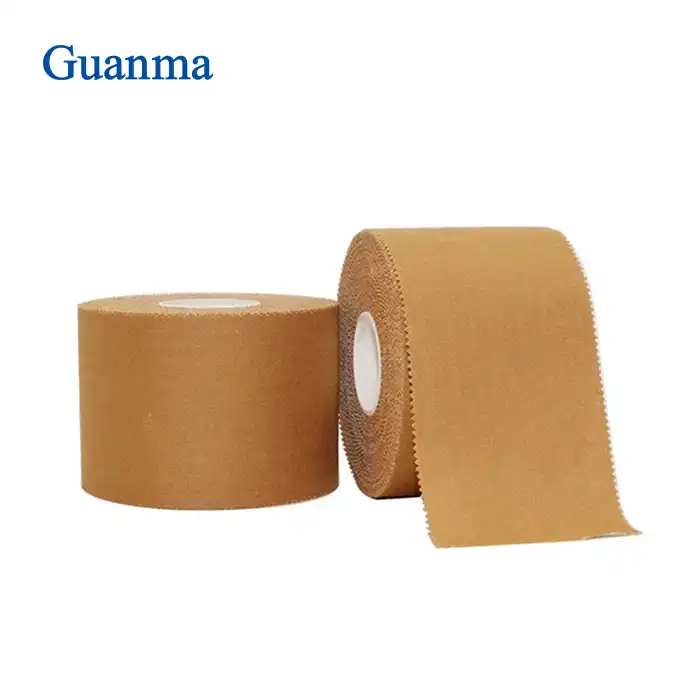
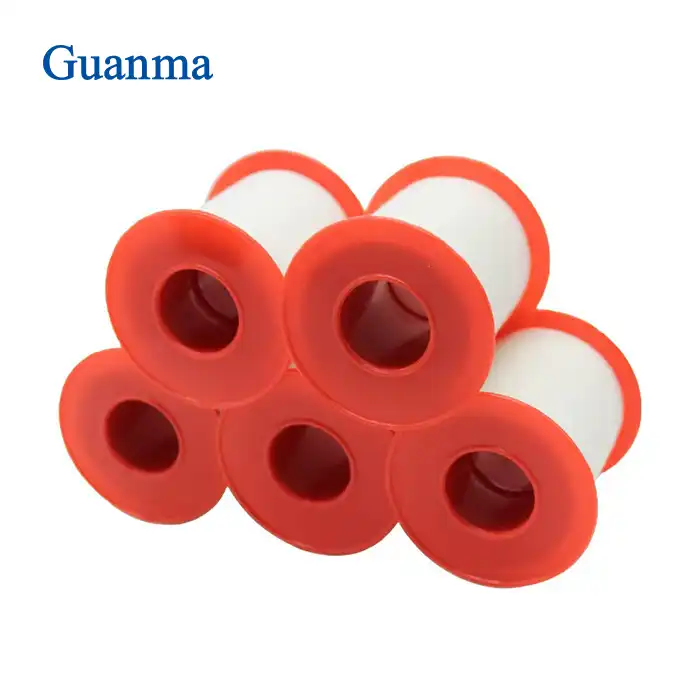
Available in widths ranging from 5cm to 20cm and lengths up to 300 meters, these dressing rolls also come in a clean white color, symbolizing sterility and ease of inspection during medical use. These sizing options allow healthcare professionals to customize applications precisely as needed.
Properties of Non Woven Dressing Rolls
The inherent properties of non woven dressing rolls make them highly effective in wound management. Their high absorbency allows them to manage exudate efficiently, reducing the risk of maceration and promoting a sterile wound environment. The breathable nature of the material supports moisture vapor transmission, which is critical in maintaining skin health and accelerating healing.
Flexibility is another pivotal property, enabling dressings to adapt to anatomical contours without compromising adhesion or comfort. This flexibility reduces patient discomfort and prevents additional injury during dressing changes.
Durability ensures that these dressings maintain integrity through the wear period. Certified by CE and ISO13485 standards, non woven dressing rolls meet stringent quality and safety criteria demanded by healthcare providers globally. This certification underlines their reliability and suitability for broad clinical applications.
Comparing Non Woven Dressing Rolls with Other Dressing Types
Non Woven vs Traditional Dressings
Non woven dressings present a modern alternative to traditional materials such as gauze. They show distinct advantages, including better absorbency, increased comfort due to soft texture, and decreased risk of infection given their sterile manufacturing processes. Traditional gauze dressings tend to adhere to wounds and can be painful to remove, potentially causing tissue disruption.
Though the cost of non woven dressings may be higher, their benefits often justify the investment by reducing complications and improving healing times. Healthcare providers weighing options must evaluate wound type, patient skin sensitivity, and treatment duration to determine the best approach.
Non Woven vs Advanced Dressings
Advanced dressings such as hydrocolloid, foam, or silicone provide specific functionalities tailored to complex wounds, including moisture retention and cushioning. Non woven dressing rolls, while less specialized, offer a versatile and cost-effective alternative suitable for a wide range of applications, including general wound care and surgical sites.
Comparative studies highlight that non woven dressings fulfill the requirements of basic wound management with adequate absorption and breathability, making them popular in various clinical settings. Their ease of use and skin-friendly adhesives often translate into higher patient compliance and satisfaction scores.
Selecting the Right Non Woven Dressing Roll
Factors to Consider
Choosing an appropriate non woven dressing roll involves balancing several factors relevant to patient needs and clinical context. Skin sensitivity and the risk of allergic reactions require attention to adhesive type and base material. For patients with fragile or sensitive skin, acrylic pressure-sensitive adhesives provide gentle yet secure adherence.
The wound environment and location dictate size and thickness considerations. Wider and longer rolls might be suited for large, irregularly shaped wounds, while narrow widths accommodate smaller areas or confined body parts. Environmental factors such as humidity and temperature can influence dressing performance, emphasizing the need for breathable and moisture-regulating properties.
Awareness of these factors ensures practitioners select dressings that optimize healing while maximizing patient comfort.
Supplier and Brand Considerations
Evaluating potential suppliers demands scrutiny beyond product specifications. Guanma Packaging, for example, combines long-standing manufacturing expertise with a mature R&D team ensuring high-quality non woven dressing rolls that meet CE and ISO13485 certifications. Their GMP-compliant factory and substantial inventory indicate the capacity for large-scale, reliable supply.
Customization services, including various widths from 5cm to 20cm and lengths up to 300m, empower buyers to tailor solutions to diverse applications. Reviews and client testimonials further attest to product consistency and customer service reliability, critical factors for hospitals, clinics, and distributors seeking trusted partners.
Company Introduction and Product Services
About Guanma Packaging
Guanma Packaging stands as a leader in the manufacturing of high-quality non woven dressing rolls, prioritizing innovation and client satisfaction. Their extensive product range encompasses wound care dressings designed for versatility across medical, sports medicine, home care, and industrial settings. By leveraging advanced coating technologies and offering diverse adhesive options, Guanma Packaging delivers dressings that align with evolving healthcare demands.
The company's commitment to stringent quality control, demonstrated through certifications such as CE and ISO13485, affirms its dedication to safety and performance. Guanma’s capacity for scalable production ensures that supply remains uninterrupted even during periods of increased demand.
Why Choose Our Non Woven Dressing Rolls?
Non woven dressing rolls from Guanma Packaging benefit from a rigorous quality assurance process and state-of-the-art production facilities. Customer feedback highlights the dressings’ superior breathability, comfortable adhesion, and consistent performance. Real-world case studies reinforce the effectiveness of these products in clinical wound care, contributing to faster recovery times and improved patient outcomes.
These attributes make Guanma Packaging a trusted supplier for hospitals, rehabilitation centers, medical distributors, and pharmacies aiming for dependable wound care solutions.
Conclusion
The non woven dressing roll is a versatile, high-performance solution for wound care that combines synthetic fiber construction with skin-friendly acrylic adhesives. Its combination of breathability, absorbency, flexibility, and certified quality standards makes it suitable for a wide array of medical applications. Choosing the right dressing involves evaluating patient needs and clinical factors, supported by trusted suppliers like Guanma Packaging who bring manufacturing excellence and reliable supply chains to the healthcare market. This ensures practitioners and patients alike receive dependable and comfortable wound care products.
Choose Premium Non Woven Dressing Rolls for Better Care
Guanma Packaging offers premium non woven dressing rolls, crafted to meet stringent quality and safety requirements. Their products cater to hospitals, clinics, rehabilitation centers, and home care providers seeking reliable wound care solutions. You can contact us at betty@gmself-adhesive.com for inquiries or to request a quote. Partner with Guanma Packaging to access customizable dressing rolls tailored to your specific needs, backed by a commitment to excellence and global supply reliability.
FAQ
Q: What Are the Benefits of Using Woven Dressing Rolls?
A: Non woven dressing rolls provide superior absorbency, flexibility, and patient comfort compared to traditional gauze dressings. Their breathable fabric promotes a healthy wound environment by allowing moisture vapor exchange, which aids in faster healing and reduces infection risks.
Q: How Do I Choose the Right Non Woven Dressing Roll for My Needs?
A: Consider factors such as wound size, location, patient skin sensitivity, and duration of use. Selecting dressings with acrylic pressure-sensitive adhesives ensures gentleness on delicate skin while delivering adequate adhesion. Sizing options ranging from 5cm to 20cm widths and lengths from 5m to 300m allow customization to clinical requirements.
Q: Can Non Woven Dressing Rolls Be Used for Sensitive Skin?
A: Yes, non woven dressing rolls formulated with acrylic adhesives are designed to minimize irritation and are suitable for sensitive skin applications. Their softness and breathability reduce discomfort and the risk of allergic reactions during prolonged wear.
References
1. Healthcare Infection Control Practices Advisory Committee (HICPAC). 2019. Guidelines for Wound Care Management.
2. European Committee for Standardization (CEN). EN ISO 13485:2016 - Medical Devices Quality Management Systems.
3. Journal of Wound Care. 2021. "Comparative Absorbency and Moisture Vapor Transmission in Non Woven Dressings".
4. International Journal of Medical Textiles. 2020. "The Structural Properties and Clinical Applications of Non Woven Fabrics in Healthcare".
5. American Journal of Infection Control. 2018. "Adhesive Innovations in Medical Dressings: Clinical Implications".
6. World Health Organization (WHO). 2022. Best Practices for Wound Care in Healthcare Facilities.