_1745479303268.webp)
What Makes Medical Cloth Tape Hospital Grade Quality?
2026-06-08 10:30:15
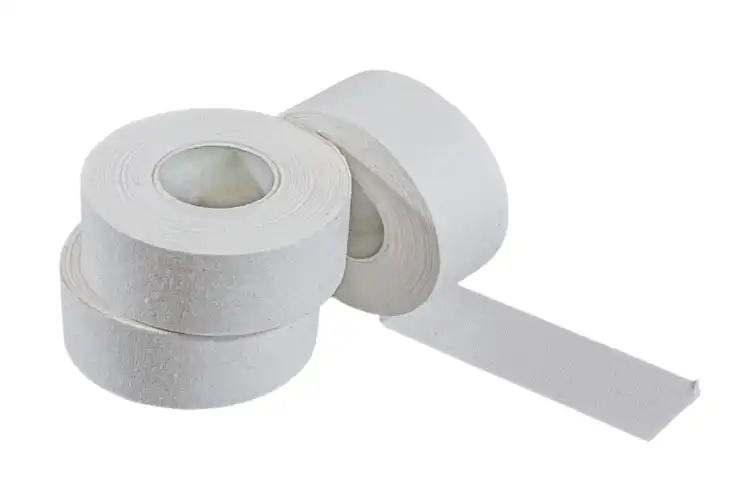
Medical cloth tape is considered hospital-grade when it meets strict standards for quality materials, regulatory compliance, and performance proof. At its core, hospital-grade cloth tape needs to stick to different types of skin consistently while still being able to breathe so that wetness doesn't build up. The cloth backing, which is usually knitted cotton or polyester, makes it flexible and resistant to tears. Medical-grade adhesives keep it in place securely without hurting the skin when it's taken off. Certification under ISO 13485 and CE marking shows that the production methods meet international safety standards. Biocompatibility testing shows that the products are safe for long-term contact with the skin.
Introduction
In modern hospitals, the dependability of wound care products has a direct effect on how well patients do and how well the hospital runs. In hospital settings, medical cloth tape is an essential item that is used to keep dressings in place, keep medical equipment stable, and support wound care routines. However, not all cloth tapes are up to the tough standards needed in hospitals, where safety for patients, following rules, and consistent performance are all musts.
This guide answers the most important question that purchasing managers and healthcare sellers have: what makes hospital-grade medical cloth tape different from other types? We look at the technical requirements, quality standards, and legal requirements that make goods better. Knowing these differences will help you make smart choices about where to get things that will improve patient care and make the most of your supply chain spending. These tips can help you figure out how to judge tape quality and a supplier's skills, whether you're in charge of buying things for a group of hospitals in your area or you sell medical goods in many places.
Understanding Medical Cloth Tape: Definitions and Key Attributes
With its pressure-sensitive binding properties, medical cloth tape is a special kind of product made for use in hospitals. These medical devices are different from consumer-grade tapes because they are made of nontoxic adhesives that stick firmly to human skin without irritating it or damaging it.
Composition and Structure
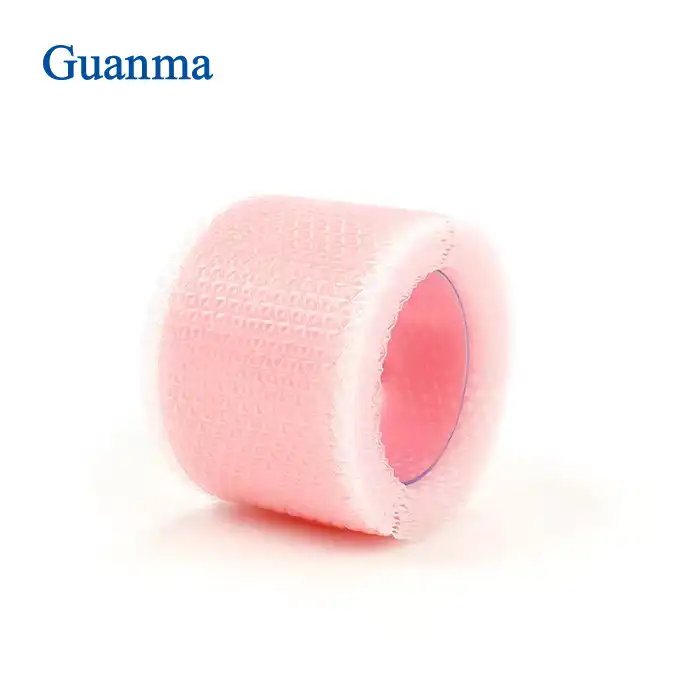
A good piece of cloth tape starts with the backing material. Some of the best hospital-grade choices are made of tightly woven cotton or polyester fabrics that let healthcare workers tear the tape cleanly by hand without using cutters. This woven structure makes tiny pathways that let air flow and moisture vapor pass through, which lowers the risk of skin drying out under secured bandages. In the adhesive layer, zinc oxide-based or acrylic formulas are used to find the right mix between initial stickiness and ease of removal. This makes changing bandages less painful.
Essential Performance Characteristics
Hospital-grade cloth tape can be told apart from lower-quality goods by a number of measured factors. Tensile strength tells you how well the tape doesn't break when it's under stress, which is very important when you need to secure tubes or hold the edges of a wound. Adhesion performance must stay the same even when temperatures and humidity levels change, which is common in healthcare settings. Breathability scores show how well the tape lets the skin breathe. This is done by testing the water vapor transfer rate. To get hypoallergenic approval, products must go through strict biocompatibility tests that make sure they don't contain any sensitizing agents that could cause allergic reactions.
Clinical Applications
Medical places use medical cloth tape in several situations. It is used by wound care teams to keep main dressings in place over surgery sites, small cuts, and long-term wounds. Emergency rooms use cloth tape because it can be shaped to fit and hold IV tubes in place on joints and bodies with odd shapes. Operating rooms value their compatibility with sterilization processes and ability to maintain adhesion in the presence of antiseptic solutions. When putting on and changing compression wraps, physical therapy departments like how gently they can be removed.
Core Criteria That Define Hospital-Grade Medical Cloth Tape
To be labeled "hospital-grade," a tape has to meet certain quality standards that regular tapes can't meet. These standards make sure that goods work properly in clinical settings, which are known for being very demanding.
Regulatory Compliance and Certification
Real hospital-grade tapes have approval marks that show they follow international rules for medical devices. With ISO 13485 certification, you can be sure that makers use quality control systems that are meant to make medical devices. This standard says that design control, risk management, and tracking throughout the supply chain must all be done in writing. For products to be sold in Europe, they need to have technical file paperwork that shows they meet the requirements of the Medical Device Regulation (MDR). This includes clinical review and post-market monitoring plans. Products that go into U.S. healthcare facilities must be registered with the FDA, and makers keep Device Master Records that list specs and production methods.
Biocompatibility and Safety Testing
According to ISO 10993 guidelines, getting to hospital-grade standing requires a lot of biocompatibility testing. In cytotoxicity tests, tape extracts are put on growing cells to see if they have any harmful effects on the cells' ability to work. Skin sensitivity studies put tape samples on people in a controlled setting and check for redness, swelling, and pain. Sensitization testing checks to see if repeated contact causes the immune system to react. These tests create written proof that the tape doesn't pose much of a risk when used as designed, with test results going back to specific production batches.
Adhesion Performance Standards
Quantitative adhesive testing checks how much force is needed to pull tape off standard objects in a controlled setting. In peel adhesion tests, tape is put on stainless steel panels and left there for a while so that the bond can form. Then, the force needed to remove the tape is measured at different angles. Tack testing checks how well the tape sticks to objects when lightly pressed against them, which lets you guess how quickly it will stick in place after being applied. The shear resistance test checks how long the tape stays stuck together under steady stress, which is like the forces that are used to attach medical devices to moving patients.
Environmental Durability
Hospital-grade tapes need to be able to keep working in all the situations that are common in healthcare facilities. For moisture resistance tests, samples are put in high humidity and come into direct contact with water. This checks how well they stick together and how strong the backing is. Temperature cycling makes sure that the adhesive qualities stay the same across the temperature ranges that are met during storage, sterilization, and use on patients. Chemical compatibility testing makes sure that the tape won't break down or lose its stickiness when it comes in contact with common disinfectants, antiseptics, and body fluids.
Comparing Medical Cloth Tape With Other Medical Tapes
Knowing how medical cloth tape stacks up against other fixation goods helps buying teams choose the best products for each patient's needs.
Cloth Tape Versus Paper Tape
Paper tape is a cheap and light way to temporarily attach a patch to a patient whose skin is weak or sensitive. Because it doesn't stick as well, it's very easy to remove, and older patients or people who are on corticosteroid treatment are less likely to have their skin stripped. But paper tape doesn't last as long or keep out water as well as cloth tape does. Cloth tape's fabric backing molds better to the shape of your body and doesn't come off when you move. Cloth tape's high tensile strength keeps it from breaking too soon when used to secure patches over joints or other areas that are likely to rub against each other.
Cloth Tape Versus Transparent Film Dressings
Transparent films are better than cloth tape at keeping wetness out and letting you see what's going on with a wound. These occlusive dressings make the best conditions for small wounds to heal while still letting doctors check on the wounds without taking them off. However, clear films don't let air pass through, which means they might trap wetness that causes skin to become rough. The open weave structure of cloth tape lets air flow continuously, which makes it better for holding patches over wounds that are leaking or in places with a lot of dampness. The cloth base also makes it easier for compression dressings and big wound pads to stay in place.
Cloth Tape Versus Silk and Surgical Tapes
Silk tape is an option to cloth tape for people who are having trouble with the rough texture of cloth tape. Its thin shape makes it almost flat against the skin, which some patients don't like because it makes them feel bulky. When it comes to effectiveness, though, silk tape usually costs more than cloth tape options. Surgical tapes made for the operating room have strong bonds that are made for situations where failure of the tape could put the patient's safety at risk. These special items stick to skin more strongly than what is needed for regular ward use, which could make taking them off more painful.
Procurement Insights: How to Source High-Quality Medical Cloth Tape
To do a good job of procurement, you need to find a mix between product quality, operating speed, and cost management. When choosing providers and goods that meet the needs of an organization, the following things should be considered.
Evaluating Supplier Credentials
Reliable partnerships start with a careful evaluation of the seller. Ask for copies of possible suppliers' ISO 13485 certificates and check their validity in the files of certification bodies to make sure they are still valid. Look over audit records that show how well the supplier's quality management system works, and pay special attention to the steps that were taken to fix problems that happened in the past. Ask for samples of biocompatibility test results that show they meet the requirements of ISO 10993. Make sure the reports are specific to the goods you are thinking about.
Strong providers show that they can provide responsive technology help. Check to see how quickly providers respond to scientific questions about adhesive formulations, compatibility with sterilization, and shelf-life testing. Ask for written information about how they handle complaints and how they take action in the field to fix quality problems. Find out if they can give you batch-specific records of analysis that prove the shipped goods meet your needs.
Customization Capabilities
OEM and ODM relationships help sellers and brand owners make their products stand out. Leading makers like Guanma Medical offer full customization services that include choosing the adhesive, the backing fabric, the tape's measurements, and the style of the package. Custom glue development lets you make tack levels and removal features that are a better fit for certain patient groups. For example, you can make recipes that are kinder for kids or older people while keeping the standard level of adhesion for general use.
Customization of packaging for hospital grade medical tape goes beyond private label printing and includes unit configurations that fit the needs of the process. Single-roll dispensers work well in exam rooms that don't need a lot of paper, while big boxes with many rolls make restocking less often in surgery halls that are always busy. With custom writing, you can put information about the product, how to handle it, or advice in more than one language right on the backing paper or core labels.
Cost-Effectiveness Analysis
To go beyond comparing unit prices, you need to look at the total cost of ownership. To find the cost per application, divide the price of the roll by the number of normal dressing changes that the roll can handle. Think about the waste that comes from dispensers that aren't built well or packaging that lets things dry too quickly. Think about the work costs that come with putting up tape—products that need scissors take longer to put up than options that can be torn by hand.
Why something is cost-effective depends on how long it lasts. Tapes that stay stuck even when the patient moves or is exposed to the environment lessen the number of times they need to be reapplied, which saves time and money for the nursing staff. Check to see if the higher starting costs of premium goods are worth it because they last longer and cause fewer problems that need extra care.
Building Strategic Supplier Relationships
Stability and constant improvement come from long-term relationships with skilled producers. With more than 30 years of experience making pressure-sensitive sticky tapes, Guanma Medical is a great example of the kind of seller that can help a business succeed over time. Their CE and ISO 13485 certifications show that they continue to meet international standards, and their research and development (R&D) skills let them make changes to the formulations to meet new clinical needs.
Setting up clear lines of contact is key to making sure things run smoothly. Talk about the lead times for standard goods versus custom orders and how production plans affect planning your inventory. Make it clear what the minimum order quantities are and how they relate to price levels. Find the volume limits that allow you to save money. Talk about terms for emergency orders that will be sent when sudden demand spikes put a strain on current stock.
Best Practices for Using and Maintaining Medical Cloth Tape in Hospitals
The best performance of medical cloth tape is achieved by treating it correctly, which also protects the patient and saves money.
Application Techniques
Skin preparation is the first step in using the right product. Clean the area where hospital grade medical tape will go with the right cleaning solutions and let it dry completely before applying the tape. Stickiness is harmed by residual wetness, and the risk of dermatitis goes up. When putting tape on places with a lot of hair, you shouldn't do it because the hair gets in the way of skin contact and makes it painful to take off. When putting tape over joints to keep patches in place, make sure the limb is in its normal position first so that normal movement isn't hampered.
Storage and Shelf Life Management
The quality of tape is affected by the environment in which it is stored. Keep cloth tape in climate-controlled spaces where the temperature stays between 15°C and 25°C and the relative humidity stays below 60%. Extreme temperatures change the way adhesives work. For example, heat weakens adhesives, which can lead to oozing and transfer, while cold temperatures weaken tack. UV light breaks down sticky polymers over time, so keep tape out of direct sunlight and artificial lighting.
Addressing Common Challenges
When tape peels at the edges, it's usually because the skin wasn't prepared well enough or because the tape wasn't applied correctly over curved surfaces. To stop edge rising, put down a second tape strip that is perpendicular to the first one. This will make the border stronger. When binding bandages over joints that move a lot, like the knees or elbows, it might be better to use several shorter strips instead of one long piece. This is because the shorter strips can bend without putting too much stress on one spot.
Conclusion
Hospital-grade medical cloth tape gets its name by having measured performance traits, strict regulatory compliance, and biocompatibility that has been proven. Procurement pros can make choices that improve patient outcomes and maximize operational efficiency when they understand the technical factors that separate better goods from less-than-stellar alternatives. The cloth backing material, adhesive formulation, certification qualifications, and manufacturing quality systems all work together to show if a product meets the strict needs of hospital settings. Healthcare organizations can be sure that their supply lines will deliver consistent quality on every order if they work with certified makers that offer customization options and quick customer service.
FAQ
Can medical cloth tape be used on wet or perspiring skin?
Medical cloth tape sticks best to skin that is clean and dry, because that's where the glue works best. Moisture gets in the way of adhesive touch, which greatly reduces both the original stickiness and the long-term stickiness. Before putting on patches over areas that tend to sweat, make sure the skin is completely dry. When some moisture is unavoidable, cloth tape works better than paper tape because it is stronger when wet and better at moving moisture vapor. The breathable cloth backing helps keep wetness from building up during long wear, but it can't make up for applying it to skin that is already wet.
What should procurement managers prioritize when buying cloth tape in bulk?
Give priority to providers who have current ISO 13485 and CE certifications that show they consistently follow the rules. Ask for paperwork that is special to your batch, like certificates of analysis and reports of biocompatibility tests. Instead of just looking at the unit price, you should also look at the total cost of ownership. This includes things like trash rates, application efficiency, and adhesion length. Check how quickly the provider is and how well they can help with technical issues. These are very important when dealing with quality issues or changing standards. Clear terms should be negotiated for minimum orders, wait times, and how to handle goods that aren't working.
How does hypoallergenic cloth tape differ from standard versions?
Hypoallergenic cloth tape uses adhesives that have been tried to reduce the chance of sensitization. Common allergens like natural rubber latex, rosin derivatives, and some chemical boosters that are in regular glue are left out by the manufacturers. These goods go through more biocompatibility tests, such as insult patch tests that subject people to multiple applications, which find delayed hypersensitivity responses. Even though hypoallergenic bandages lower the risk of allergies, they don't completely remove it. People are different, and some patients may react to parts that are normally safe. When taking care of people who are known to be allergic to adhesives, you might want to try new items on small areas of skin before using them all over.
Partner With Guanma Medical for Hospital-Grade Cloth Tape Solutions
With more than 30 years of experience, Guanma Medical has been making medical cloth tape and wound care bandages for markets around the world. Our factory is ISO 13485 and CE approved, and they use cutting-edge pressure-sensitive glue coating technology to make sure that the quality of every batch is the same. We know how important it is for medical supply chains to follow the rules, so all of our cloth tape goods come with full biocompatibility test results and full traceability documentation.
Our OEM and ODM services let brand owners and sellers make their own unique product lines by completely customizing everything from the adhesive recipe to the private label packaging. Our responsive technical team works with you from the beginning of development to the end of production, whether you need standard specs or custom solutions for specific clinical uses. Get in touch with betty@guanmamedical.com to talk about your needs with our medical cloth tape maker experts and ask for samples that show the quality standards your institution deserves.
References
1. International Organization for Standardization. (2016). Medical devices — Quality management systems — Requirements for regulatory purposes (ISO 13485:2016). Geneva: ISO.
2. International Organization for Standardization. (2018). Biological evaluation of medical devices — Part 1: Evaluation and testing within a risk management process (ISO 10993-1:2018). Geneva: ISO.
3. Williams, D. F. (2008). On the mechanisms of biocompatibility. Biomaterials, 29(20), 2941-2953.
4. European Commission. (2017). Regulation (EU) 2017/745 of the European Parliament and of the Council on medical devices. Official Journal of the European Union.
5. McNichol, L., Lund, C., Rosen, T., & Gray, M. (2013). Medical adhesives and patient safety: State of the science. Journal of Wound Ostomy and Continence Nursing, 40(4), 365-380.
6. Lippmann, M. (1984). Adhesive tape testing methods. Surgical Services Management, 14(2), 22-27.