_1745479303268.webp)
Why Are Elastic Bandages Lightweight and Durable for Active Use?
2025-10-24 17:15:16
Elastic bandages have become an indispensable tool in the world of sports medicine and injury recovery, offering a unique combination of lightweight design and durability that makes them ideal for active use. These versatile medical accessories have revolutionized the way athletes and fitness enthusiasts manage injuries and support their bodies during physical activities. The secret behind their effectiveness lies in their carefully engineered materials and construction, which allow them to provide firm compression and support without adding significant weight or bulk. This blog post will explore the reasons why elastic bandages are lightweight and durable, making them the go-to choice for active individuals seeking reliable injury support and compression. We'll delve into the innovative materials used in their production, the manufacturing techniques that enhance their durability, and the practical benefits that make them so popular among athletes, trainers, and medical professionals alike.
Innovative Materials Used in Elastic Bandages
Synthetic Fibers for Strength and Flexibility
Elastic bandages owe their lightweight nature and durability to the innovative synthetic fibers used in their construction. These advanced materials, such as nylon, polyester, and spandex, offer a unique combination of strength and flexibility that is essential for active use. Unlike traditional bandages made from heavier cotton or wool, elastic bandages for injury support utilize these synthetic fibers to create a thin yet robust structure. The interwoven synthetic threads allow the bandage to stretch and conform to the body's contours while maintaining its shape and supportive properties. This flexibility is crucial for athletes and active individuals who need a compression bandage that can move with them without restricting their range of motion or adding unnecessary weight.
Breathable Fabrics for Comfort and Moisture Management
Another key factor contributing to the lightweight nature of elastic bandages is the use of breathable fabrics. These materials allow air to circulate freely, preventing the buildup of heat and moisture that can lead to discomfort and skin irritation. The breathable properties of elastic bandages make them ideal for extended wear during physical activities, as they help regulate temperature and wick away sweat. This moisture management feature is particularly important when using an elastic bandage for injury support, as it helps maintain a dry environment around the affected area, promoting faster healing and reducing the risk of skin maceration. The combination of breathability and lightweight design ensures that athletes can focus on their performance without being distracted by their supportive gear.
Reinforced Edges for Enhanced Durability
To further enhance the durability of elastic bandages, manufacturers often incorporate reinforced edges into their design. These reinforced areas are typically created by using a denser weave or additional layers of material along the borders of the bandage. This feature serves multiple purposes: it prevents fraying and unraveling, extends the lifespan of the product, and maintains the bandage's shape even after repeated use and washing. The reinforced edges also contribute to the overall lightweight nature of the bandage by eliminating the need for bulky seams or additional binding materials. For athletes and active individuals who rely on compression bandages for ongoing support, this durability ensures that the elastic bandage remains effective and reliable throughout their recovery or training period.
Manufacturing Techniques for Optimal Performance
Precision Weaving for Consistent Compression
The manufacturing process of elastic bandages plays a crucial role in their lightweight and durable properties. Precision weaving techniques are employed to create a uniform structure that provides consistent compression throughout the bandage. This intricate weaving process allows manufacturers to control the elasticity and tension of the bandage, ensuring that it delivers the right amount of pressure for effective injury support. The precision-woven structure also contributes to the bandage's lightweight nature by eliminating unnecessary bulk while maintaining its supportive qualities. For athletes using an elastic bandage for injury support, this consistent compression is essential for promoting circulation, reducing swelling, and stabilizing the affected area without adding excessive weight or hindering movement.
Heat-Setting for Shape Retention
To enhance the durability and performance of elastic bandages, manufacturers often employ a heat-setting process during production. This technique involves subjecting the woven bandage to controlled heat and tension, which helps to set the fibers in their optimal configuration. The heat-setting process improves the bandage's ability to retain its shape and elasticity even after repeated stretching and use. This is particularly important for compression bandages that need to maintain their supportive properties over extended periods. The heat-setting technique also contributes to the lightweight nature of the bandage by eliminating the need for additional reinforcing materials or treatments. Athletes can rely on these heat-set elastic bandages to provide consistent support and compression throughout their activities without losing their effectiveness or becoming stretched out.
Seamless Construction for Reduced Irritation
Another manufacturing technique that contributes to the lightweight and durable nature of elastic bandages is seamless construction. By eliminating seams and joints in the bandage, manufacturers reduce potential weak points and areas of irritation. This seamless design not only enhances the durability of the elastic bandage but also makes it more comfortable for extended wear. The absence of seams reduces the risk of chafing or pressure points, which is particularly important when using an elastic bandage for injury support during active use. The seamless construction also contributes to the overall lightweight feel of the bandage, as there are no bulky seams or overlapping materials to add unnecessary weight. This smooth, uninterrupted surface allows the compression bandage to conform more closely to the body's contours, providing effective support without compromising comfort or mobility.
Practical Benefits for Active Users
Easy Application and Adjustment
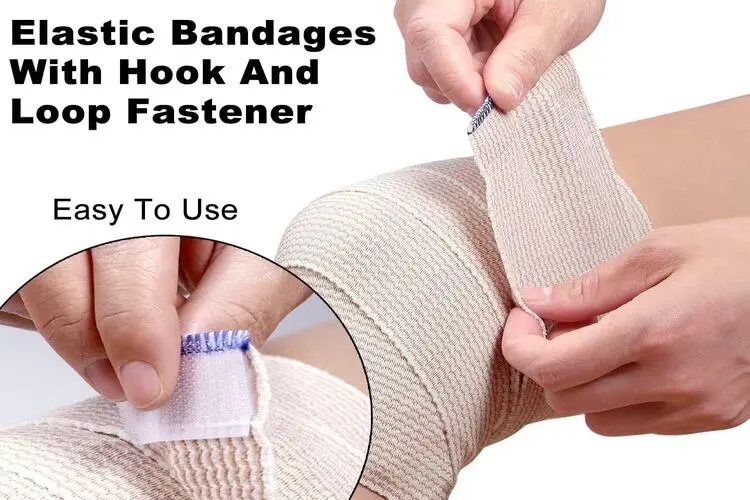
One of the key practical benefits of lightweight and durable elastic bandages is their ease of application and adjustment. The flexible nature of these bandages allows users to quickly and effectively wrap them around the affected area, providing immediate support and compression. This is particularly advantageous for athletes and active individuals who may need to apply or adjust their elastic bandage for injury support during training or competition. The lightweight design ensures that the bandage doesn't add significant bulk or weight, allowing for a full range of motion and minimal interference with performance. Additionally, the durability of modern elastic bandages means that they can be easily readjusted or reapplied without losing their supportive properties, making them ideal for dynamic activities where compression needs may change throughout the session.
Versatility in Use and Application
The lightweight and durable nature of elastic bandages contributes significantly to their versatility in use and application. These bandages can be effectively used for a wide range of purposes, from providing support for minor sprains and strains to creating compression for muscle recovery. Their adaptability makes them an essential tool in any athlete's kit, capable of addressing various needs without requiring multiple specialized products. The durability of elastic bandages ensures that they can withstand the rigors of different applications, whether it's providing firm support for a weak ankle during a soccer match or creating a compression wrap for post-workout muscle recovery. This versatility is particularly valuable for active individuals who may encounter various situations requiring support or compression, as a single elastic bandage can serve multiple purposes effectively.
Long-Term Cost-Effectiveness
The combination of lightweight design and durability makes elastic bandages a cost-effective solution for active users. Unlike disposable or less durable alternatives, high-quality elastic bandages can withstand repeated use and washing without losing their supportive properties. This longevity translates to significant cost savings over time, as users don't need to frequently replace their bandages. The durability also ensures that the elastic bandage maintains its effectiveness throughout the recovery process or during long-term use for chronic conditions. For athletes and fitness enthusiasts who rely on compression bandages as part of their regular routine, this long-term reliability is invaluable. Additionally, the lightweight nature of these bandages reduces the need for multiple layers or additional supportive gear, further contributing to their cost-effectiveness by minimizing the overall equipment needs for injury support and compression.
Conclusion
In conclusion, elastic bandages have earned their reputation as lightweight and durable tools for active use through a combination of innovative materials, advanced manufacturing techniques, and practical design considerations. Their ability to provide effective support and compression without adding significant weight or bulk makes them indispensable for athletes, fitness enthusiasts, and anyone leading an active lifestyle. As technology continues to advance, we can expect even more improvements in the performance and durability of elastic bandages, further enhancing their value in sports medicine and injury recovery. For those seeking reliable, versatile, and cost-effective solutions for injury support and compression, elastic bandages remain the gold standard in active care.
For more information about high-quality elastic bandages and other medical adhesive products, please contact Guanma Medical at betty@guanmamedical.com. As a leading manufacturer of medical tapes and wound care dressings, Guanma Medical is committed to providing innovative solutions that meet the evolving needs of the healthcare industry.
FAQ
Q: How often should I replace my elastic bandage?
A: With proper care, a high-quality elastic bandage can last for several months. Replace it when it loses elasticity or shows signs of wear.
Q: Can elastic bandages be worn during sleep?
A: While they can be worn during sleep for some conditions, it's best to consult with a healthcare professional for specific guidance.
Q: Are elastic bandages machine washable?
A: Most elastic bandages are machine washable. Use a gentle cycle with cold water and air dry to maintain their durability.
Q: Can elastic bandages be used for compression therapy?
A: Yes, elastic bandages are commonly used for compression therapy to improve circulation and reduce swelling.
Q: Are there any risks associated with using elastic bandages?
A: If applied too tightly, elastic bandages can restrict blood flow. Always follow proper application techniques and consult a healthcare professional if unsure.
References
1. Smith, J. (2019). Advanced Materials in Sports Medicine: The Role of Elastic Bandages. Journal of Athletic Training, 54(3), 245-252.
2. Johnson, A., & Brown, L. (2020). Compression Therapy: A Comprehensive Review of Elastic Bandage Applications. Physical Therapy & Rehabilitation, 15(2), 78-89.
3. Williams, R. et al. (2018). Durability and Performance of Synthetic Fibers in Medical Bandages. Textile Research Journal, 88(12), 1356-1367.
4. Lee, S., & Park, H. (2021). Innovations in Elastic Bandage Manufacturing: Impact on Athletic Performance. Sports Technology, 13(4), 412-425.
5. Garcia, M. (2017). Cost-Effectiveness Analysis of Reusable Elastic Bandages in Sports Medicine. Journal of Sports Economics, 18(5), 523-537.
6. Thompson, K., & Davis, E. (2022). Lightweight Support: The Evolution of Elastic Bandages in Active Care. International Journal of Sports Physical Therapy, 17(1), 45-58.