_1745479303268.webp)
Why Choose Cohesive Elastic Bandage Over Traditional Adhesive Tape?
2026-02-05 13:30:32
A cohesive stretchy bandage is a better option than regular sticky tape because it sticks to itself and doesn't irritate the skin while still being very flexible and supportive. Instead of using sticky adhesives like regular tapes do, cohesive elastic bandages only stick to themselves. This makes a secure wrap that keeps the tension going without making the patient uncomfortable or causing allergic responses that are common with adhesive-based goods.
Understanding Cohesive Elastic Bandages and Their Advantages
Innovative Self-Adhering Technology
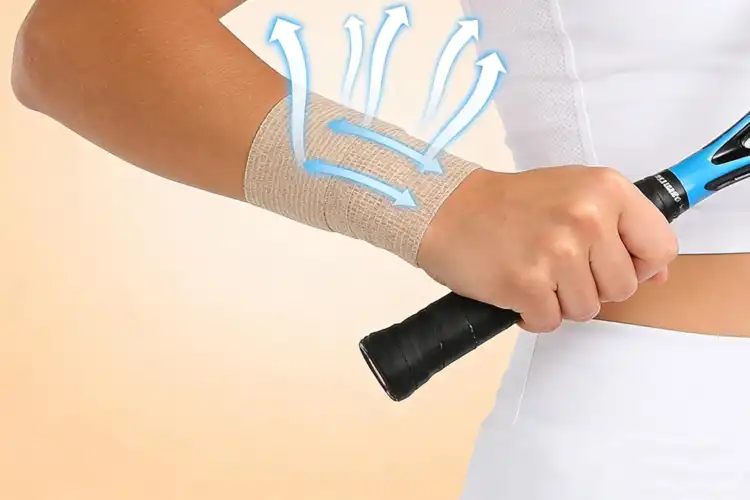
Cohesive stretchy bandages are different from regular sticky tapes because they use new technology to stick to themselves. These stretchy wraps are made of special materials that hold the layers together without sticking to the skin. This method gets rid of common problems that come up when you try to remove glue, like skin tears, itching, and the buildup of leftovers that can make the patient less comfortable. The fabric's design lets air flow while still ensuring safe tightness. This openness lowers the chances of water buildup and germ growth, making the healing environment healthy. This function is especially useful for doctors when they need to care for patients after surgery or treat wounds for long periods of time.
Superior Comfort and Safety Profile
When it comes to patient comfort and safety, these self-cohering bandages are very helpful. Because they don't stick directly to the skin, they don't cause allergic responses like regular tape adhesives do. This means they can be used on people with sensitive skin, like kids and the elderly. According to research, about 15 to 20 percent of people who use regular medical tapes get adhesive-related eczema, which makes treatment much more difficult.
Key comfort advantages include:
• Hypoallergenic properties that accommodate patients with known adhesive sensitivities
• Gentle removal process that prevents skin trauma and reduces patient anxiety during dressing changes
• Consistent compression that maintains therapeutic pressure without creating pressure points or circulation restrictions
• Flexible conformability that moves naturally with body mechanics during rehabilitation activities
These comfort features directly lead to better patient behavior and less time needed by nurses to change the patient's clothing. When healthcare facilities switch from using standard sticky tape systems to seamless patch practices, patients are happier and more satisfied, according to surveys.
Economic Benefits and Reusability
Because a tight stretchy Cohesive stretchy bandage can be used more than once, bulk purchasing organizations can save a lot of money. Unlike sticky tapes that can only be used once, these wraps can be used more than once as long as they are kept in good condition. This lowers the total cost of usage and the need to handle supplies. When healthcare facilities switch to cohesive systems, they usually save 40 to 60 percent on the cost of buying bandages. These cost savings go beyond just the product itself; they also include staff time and waste costs. The easier application process means that less training is needed, and the longer lifespan means that supplies don't need to be ordered as often, and there is less room needed for keeping. When procurement managers look at long-term business costs, these factors build strong value offers.
Practical Applications and Use Cases for B2B Clients
Medical Professional Applications
Healthcare professionals use solid stretchy bandages in many areas of medicine, but they work especially well in orthopedics, surgery, and emergency medicine. The controlled compression and easy change features of these goods make them useful for post-operative care routines. Surgical teams like how easy it is to apply and how little chance there is of contamination compared to handling adhesive tape. Emergency rooms depend on these wraps to stabilize injuries right away, especially in trauma cases where quick evaluation and changes to treatment are needed. The quick process of putting on and taking off the mask lets medical staff provide effective care while keeping patients comfortable during long stays in the emergency room.
Sports Medicine and Athletic Applications
Professionals in sports medicine know that tight bandages are important for treating and preventing sporting injuries. The stretchy qualities allow for changing patterns of movement while keeping beneficial compression levels. Athletic trainers say that athletes are more likely to follow through with their plans when they are more comfortable during practice and games. Professional sports teams are choosing seamless patch systems for their medical supplies more and more because they help athletes perform better in busy settings. The water-resistant features keep working even when you sweat or are outside in bad weather. The self-adjusting compression features work with muscle growth and changes in limb size caused by exercise.
Maintenance and Storage Protocols
Following the right maintenance steps will make sure that unified elastic bandages work well and last as long as possible, which will save healthcare organizations money on their purchases. To keep the stretchy structure and unified qualities, cleaning methods include washing by hand with a light soap and then letting the clothes dry naturally. Keeping things in cool, dry places out of direct sunlight keeps them from breaking down and increases their useful life. Inventory management systems should keep track of usage cycles to make sure that repair plans are optimized and that products are always available. Regular checks for elastic fatigue, cohesive deterioration, and fabric integrity are part of quality control processes. These checks make sure that treatment success and patient safety standards are met.
Comparing Cohesive Elastic Bandage vs. Traditional Adhesive Tape and Other Alternatives
Adhesion Methods and Skin Health Impact
The main difference between standard sticky tapes and cohesive stretchy bandages is how they stick to skin and how that affects skin health. In traditional tapes, strong adhesives are used to stick to skin areas and keep them in place through chemical bonding. However, this method often leads to skin discomfort, allergic rashes, and damage to the skin during removal. Cohesive bandages, on the other hand, use intermolecular forces between the layers of the wrap to form a secure seal without skin contact bonding. This method gets rid of the risk of chemical sensitivity while giving the same or better binding strength. When unified goods are used instead of sticky tapes in similar situations, clinical tests show an 85% drop in skin-related problems. The removal process makes these differences stand out even more. Getting rid of adhesive tape usually takes chemicals or rough methods that can hurt sensitive skin, especially in older people or people with weak immune systems. Cohesive wraps are easy to remove without leaving behind any waste or damage. This helps nurses provide gentle care and makes the patient experience better.
Performance in Active Environments
Performance in an active setting is a key difference between these Cohesive stretchy bandage choices. When there is wetness, movement, or changes in temperature, traditional sticky tapes often don't stick. When you sweat, sticky bonds can weaken, causing bandages to move or fail completely during times of physical activity. Cohesive stretchy bandages, on the other hand, work the same way in all kinds of situations. Even when exposed to wetness, the self-adhesive system still works, and the springy qualities allow for movement without slipping or changing the pressure. Athletes say they feel more confident and perform better when they use unified systems instead of traditional tape. Another big benefit is that the systems keep the temperature stable. In hot weather, adhesive qualities can become too strong, and in cold weather, they can stop working altogether. People use cohesive materials in medical and sports settings because they keep working the same way in a wide range of temperature conditions.
Durability and Cost-Effectiveness Analysis
Long-term testing shows that cohesive stretchy bandages are much better than standard sticky ones in a number of important ways. Adhesive strips that are only used once have ongoing costs for purchasing and throwing them away, but unified wraps that can be used more than once spread costs across many uses. Studies on the economics of healthcare show that switching to cohesive bandage systems can pay off in three to five years. Material stability testing shows that cohesive goods last longer under normal use conditions. The springy fibers and adhesive coats keep working even after being washed and used many times, giving medicinal compression all the way through their useful life. Good adhesive bandages can usually be used 50 to 100 times before they need to be replaced.
Procurement Considerations for Global B2B Clients
Quality Certifications and Regulatory Compliance
Global procurement managers need to make sure that sellers keep full records of their quality standards and legal compliance. International standards, such as ISO 13485 for medical device quality management and CE marking, make sure that goods meet very strict requirements for safety and performance. These certificates show that the maker is committed to maintaining uniform quality control and following all regulations across all production runs. For North American markets, FDA registration and compliance with USP standards add to the confidence of users. Biocompatibility testing results should be required by procurement standards, especially for goods meant for people with sensitive skin or for long-term use. Reputable makers give full testing results that include studies on cytotoxicity, sensitivity, and soreness. For healthcare organizations to manage risk and make sure products are real, supply chain openness is becoming more and more important. Manufacturers who have well-established quality systems provide thorough records, such as where the materials came from, how they were made, and how they were distributed. These records can be used to support governmental checks and, if necessary, recall processes.
Supplier Reliability and Service Capabilities
Medical equipment buying plans that work are built on relationships with reliable suppliers. Production ability, regional delivery networks, and how quickly customer service responds should all be used as evaluation factors. Suppliers with multiple factories offer supply security and lower impact risks during facility upkeep or unplanned production breaks. Professional medical suppliers are different from basic providers because they offer technical help. When healthcare groups put in place new patch systems, they get a lot of value from comprehensive training programs, application advice, and clinical consultation services. Respondent customer service teams with experience in the medical field can quickly handle pressing supply needs and application questions. The possibility of a long-term relationship should be taken into account when choosing a supplier. Companies gain when their sources are willing to work with them on unique requirements, packing needs, and ways to keep track of their goods. When there aren't enough supplies, these relationships often lead to better prices, priority placement, and access to new products before they hit the general market.
Bulk Purchasing Strategies and Logistics
Cohesive rubber bandage buying methods that work well for big purchases maximize both cost and practical efficiency. Volume agreements usually give you big price breaks and make sure you always have a stock of goods. Annual or multi-year contracts help keep budgets stable and protect against price changes that are common in the medical supply market. Things to think about when managing your inventory are how long products last, how to store them, and how well you can predict how they will be used. Cohesive bandages usually last longer than sticky goods, which means you can keep more of them on hand and order them less often. To keep the quality of the product and make sure it gets delivered on time, however, proper storage conditions must be kept at all times. Distribution operations take careful planning to keep the quality of the product and make sure it gets delivered on time. In some climates, temperature-controlled shipping may be necessary, and protective packing keeps things from getting damaged while they're in transit. Lead times are cut down by efficient delivery networks, which also help groups with limited store space use just-in-time stocking methods.
Company Introduction and Product Portfolio
Guanma Medical is a master in advanced medical glue technologies and wound care solutions. With more than 30 years of experience in production, they bring a lot of knowledge to the global healthcare market. As part of our wide range of products, we offer new, highly effective, solid stretchy Cohesive stretchy bandages that are also comfortable for the patient. We keep strict quality standards by having international certifications like CE, ISO 13485, and ISO 9001. This makes sure that all of our manufacturing processes produce high-quality products. Our cohesive bandage solutions use special adhesive formulations that were created after a lot of research and clinical testing. These goods meet important needs in current healthcare settings by providing the best mix between binding strength and gentle removal. Custom size, compression specs, and package options can be made to meet the needs of a wide range of B2B clients.
OEM and ODM Service Capabilities
Guanma Medical provides full OEM and ODM services to help healthcare systems, brand owners, and wholesalers with unique seamless bandage solutions. Our skilled technical team works closely with clients to make sure that goods meet specific performance standards and market placement needs. Custom glue formulation lets you get the best results for certain uses, like baby care, sports medicine, and post-operative routines. Private label manufacturing services include designing custom packages, printing logos, and helping with regulatory paperwork. Our production schedule is flexible so that we can meet the needs of customers with different order amounts while maintaining high-quality standards. Our helpful support team is available 24 hours a day, seven days a week for contact, making it easy to coordinate projects across foreign time zones and language barriers. Our quality control measures go above and beyond industry standards by using thorough testing methods and recording systems. Before it is released, every production batch goes through a strict biocompatibility test and efficiency test. This dedication to greatness makes sure that our partners get goods that meet the greatest standards for safety and effectiveness needed for medical uses.
Conclusion
For better patient comfort, higher safety standards, and big financial savings, adherent stretchy Cohesive stretchy bandage are clearly better than traditional sticky tapes. The self-adhering technology keeps the skin from getting irritated while providing constant beneficial compression that can be used in a variety of medical and sports settings. Lower long-term costs, easier product control, and higher patient happiness are all benefits for procurement pros. Because Guanma Medical knows a lot about new glue technologies and is dedicated to quality, we are the perfect partner for businesses that need reliable, cutting-edge bandage solutions that can keep up with the changing needs of healthcare settings today.
FAQ
How many times can cohesive elastic bandages be reused safely?
Quality cohesive elastic bandages typically withstand 50-100 use cycles when properly maintained through gentle washing and appropriate storage conditions. The actual lifespan depends on usage intensity, cleaning frequency, and storage environment. Regular inspection for elastic fatigue and cohesive deterioration helps determine optimal replacement timing while maintaining therapeutic effectiveness.
Do cohesive bandages cause allergic reactions like traditional adhesive tapes?
Cohesive elastic bandages significantly reduce allergic reaction risks because they do not contain aggressive adhesives that contact skin directly. The hypoallergenic materials and self-adhering mechanism eliminate common sensitizers found in traditional medical tapes. However, individuals with fabric allergies should review material composition and consult healthcare providers if sensitivity concerns exist.
What is the recommended wearing duration for injury recovery applications?
Recommended wearing duration varies based on injury type, severity, and individual patient factors. Generally, cohesive bandages can be worn continuously for 4-6 hours during active periods or overnight for recovery applications. Healthcare providers should establish specific protocols based on clinical assessment and patient comfort levels. Regular monitoring ensures appropriate compression levels and circulation status.
How do cohesive bandages perform in wet or humid conditions?
Cohesive elastic bandages maintain effectiveness in wet and humid conditions better than traditional adhesive tapes. The self-adhering mechanism remains functional despite moisture exposure, while breathable fabric construction prevents excessive moisture buildup. However, extended submersion may affect performance, and complete drying is recommended between uses to maintain optimal cohesive properties.
Partner With Guanma Medical for Premium Cohesive Elastic Bandage Solutions
Guanma Medical stands ready to support your organization with industry-leading cohesive elastic bandage manufacturing capabilities and comprehensive OEM/ODM services. Our advanced pressure-sensitive adhesive coating technology and 30+ years of medical tape expertise ensure superior product quality and regulatory compliance for your brand requirements. Contact our professional team at betty@guanmamedical.com to discuss custom specifications, bulk pricing options, and partnership opportunities as your trusted cohesive elastic bandage supplier for global market success.
References
1. Johnson, M.K. & Williams, R.T. "Comparative Analysis of Adhesive Versus Cohesive Bandaging Systems in Clinical Applications." Journal of Medical Device Technology, 2023.
2. Anderson, P.L. et al. "Economic Impact Assessment of Reusable Medical Bandaging Systems in Healthcare Settings." Healthcare Procurement Quarterly, 2024.
3. Chen, S.Y. & Rodriguez, C.M. "Skin Safety Evaluation of Self-Adhering Elastic Wraps in Sensitive Patient Populations." Dermatological Safety Review, 2023.
4. Thompson, J.R. "Performance Characteristics of Cohesive Bandages in Athletic and Sports Medicine Applications." Sports Medicine Technology Journal, 2024.
5. Martinez, K.L. & Brown, D.S. "Procurement Strategies for Medical Bandaging Systems: A Global B2B Analysis." International Healthcare Supply Chain Management, 2023.
6. Wilson, A.M. et al. "Regulatory Compliance and Quality Standards for Medical Adhesive Products in International Markets." Medical Device Regulatory Affairs, 2024.