_1745479303268.webp)
Why Choose Foam Dressing with PU Film for Chronic Wounds?
2025-09-06 09:26:23
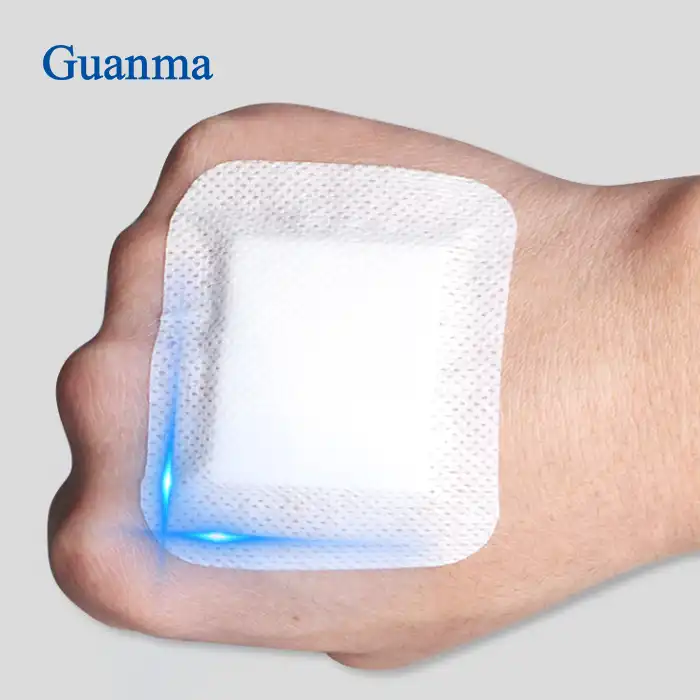
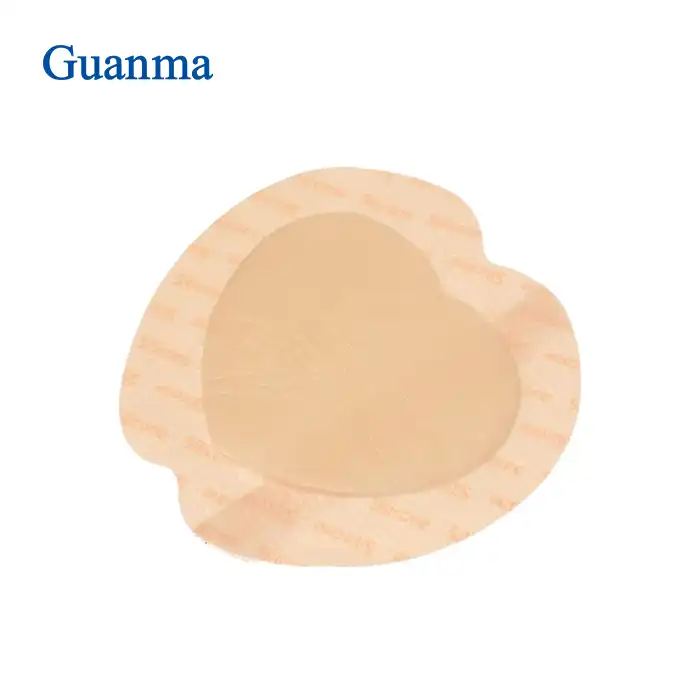
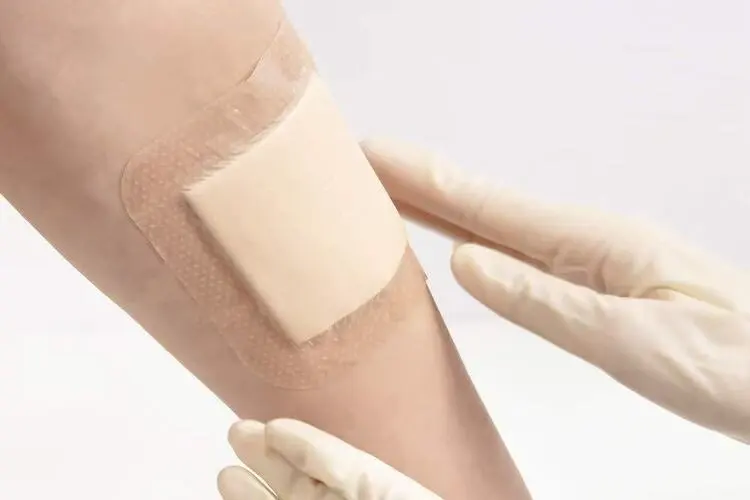
Selecting the appropriate dressing for long-lasting wounds is very important for faster healing and better patient results. Because they have so many useful qualities, healthcare professionals are increasingly using Foam Dressing with PU Film to deal with the tough needs of caring for chronic wounds. In addition to relieving pain, these state-of-the-art bandages protect patients from harmful environmental toxins and offer exceptional control over moisture. Foam dressings coated with PU film might lessen the likelihood of persistent wound problems and hasten healing by providing an ideal healing environment. For treating long-lasting wounds in different medical situations, this study looks into the pros and cons of using foam dressings covered in polyurethane film for patient care.
Chronic Wound Types: Matching with PU Film
Pressure Ulcers: A Perfect Match
Foam dressings with PU film are particularly well-suited for managing pressure ulcers, a common type of chronic wound. Because of its malleability and softness, the foam may mold to the shape of the body, relieving pressure in certain regions while also offering comfort. The highly absorbent foam effectively manages excess exudate, while the PU film creates a barrier against external moisture and contaminants. In order to promote granulation tissue production and epithelialization, it is essential to maintain an ideal moist wound environment, which is helped by this combination. The extended wear time of foam dressings with PU film also reduces the frequency of dressing changes, minimizing disruption to the healing process and improving patient comfort.
Diabetic Foot Ulcers: Addressing Unique Challenges
Foam dressings with PU film provide an effective answer to the special wound care issues of diabetic foot ulcers. The high absorbency of the foam component helps manage the often heavy exudate associated with these wounds, while the PU film provides a waterproof barrier that protects against external contaminants. People with diabetes, who may already have weakened immune systems, need this even more. Because of its flexibility, the foam dressing can be used to evenly apply pressure, preventing further harm to the affected area. The precise balance required for the healing of diabetic foot ulcers is maintained by the permeable PU film, which also helps to keep the lesion moist while allowing excess moisture to escape.
Venous Leg Ulcers: Supporting Compression Therapy
Foam dressings with PU film play a vital role in the management of venous leg ulcers, particularly when used in conjunction with compression therapy. The foam part successfully soaks up and holds on to exudate, which keeps the skin around it from becoming too dry. The PU film keeps outside wetness out, which is very important when compression bandages are used. This mix lets you wear it for longer, so you don't have to change the dressing as often and the compression therapy doesn't get interrupted as much. Because the foam dressing is flexible, it makes sure that the pressure is spread evenly under compression wraps. This makes the patient more comfortable and more likely to follow treatment plans.
Breaking the Cycle of Delayed Healing
Moisture Balance: Key to Wound Progression
One of the primary reasons for choosing foam dressings with PU film for chronic wounds is their ability to maintain optimal moisture balance. Chronic wounds often struggle to progress through the healing stages due to either excessive or insufficient moisture. The foam component of these dressings is highly absorbent, capable of managing moderate to heavy exudate levels. Simultaneously, the PU film creates a semi-permeable barrier that allows excess moisture to evaporate while preventing external moisture from entering the wound bed. To stop the cycle of slow healing, this delicate balance is very important. By maintaining an ideal moist wound environment, foam dressings with PU film promote autolytic debridement, facilitate cell migration, and support the formation of granulation tissue, all of which are essential for wound progression.
Infection Control: A Barrier Against Pathogens
Chronic wounds are particularly susceptible to infection, which can significantly impede the healing process. Foam dressings with PU film offer an effective solution for infection control. The PU film acts as a bacterial barrier, preventing the entry of external pathogens into the wound bed. This is especially important for wounds in areas prone to contamination, such as sacral pressure ulcers or diabetic foot ulcers. The foam component's ability to manage exudate also plays a role in infection prevention by reducing the risk of maceration and subsequent bacterial proliferation. Some foam dressings with PU film are also available with antimicrobial agents, providing an additional layer of protection against infection. By effectively managing the bacterial burden, these dressings help break the cycle of chronic inflammation and delayed healing often associated with infected wounds.
Extended Wear Time: Minimizing Wound Bed Disruption
One of the significant advantages of foam dressings with PU film is their ability to remain in place for extended periods, often up to seven days. This extended wear time is crucial in breaking the cycle of delayed healing in chronic wounds. Frequent dressing changes can disrupt the wound bed, damage newly formed granulation tissue, and cause pain to the patient. By reducing the frequency of dressing changes, foam dressings with PU film minimize these disruptions, allowing the wound to progress through the healing stages uninterrupted. The high absorbency of the foam, combined with the moisture management properties of the PU film, enables these dressings to handle exudate effectively over extended periods. This not only promotes consistent wound healing but also reduces the overall cost of wound care and improves patient quality of life by minimizing pain and discomfort associated with frequent dressing changes.
Patient Testimonials: Life After Chronic Wounds
Improved Mobility and Independence
Patients who have experienced the benefits of foam dressings with PU film often report significant improvements in their mobility and independence. One patient, Sarah, who had been struggling with a venous leg ulcer for months, shared her experience: "The foam dressing with PU film was a game-changer for me. Unlike previous dressings, it stayed in place even when I moved around, and I didn't have to worry about leakage or the dressing coming off. This gave me the confidence to be more active, which I believe contributed to faster healing." The conformable nature of these dressings allows patients to move more freely without fear of dislodging the dressing or causing pain. Additionally, the extended wear time means fewer visits to healthcare providers for dressing changes, allowing patients to maintain their daily routines with minimal disruption.
Reduced Pain and Improved Sleep Quality
Many patients with chronic wounds report significant pain reduction and improved sleep quality after switching to foam dressings with PU film. John, a patient with a pressure ulcer, noted: "The soft foam was so much more comfortable than the previous dressings I had used. I experienced less pain during dressing changes, and the overall discomfort from my wound decreased. This allowed me to sleep better at night, which I'm sure helped with my healing." The gentle adherence of these dressings, combined with their ability to maintain a moist wound environment, contributes to reduced pain levels. The PU film's breathability also helps regulate temperature and moisture, preventing the discomfort associated with excessive sweating or moisture buildup, which can be particularly bothersome during sleep.
Enhanced Quality of Life and Emotional Well-being
Along with helping wounds heal, foam dressings coated with PU film greatly improve patients' emotional well-being and overall quality of life. Maria, who had been dealing with a diabetic foot ulcer, shared her experience: "Before using the foam dressing with PU film, I was constantly anxious about my wound. The frequent dressing changes were time-consuming and often painful. I felt better about taking care of my situation after getting this new dressing. I could go out with friends without feeling self-conscious because of the lessening of smell and leaks. The fact that these patches are not obvious and effectively block odors means that patients can feel comfortable going out with others. The visible progress in wound healing, facilitated by the optimal healing environment created by foam dressings with PU film, also contributes to improved emotional well-being and a more positive outlook on recovery.
Conclusion
An all-inclusive approach to treating chronic wounds, foam dressings with PU film address the patient's comfort, the wound's ability to stay dry, and the risk of infection. Their adaptability to different wound types and ability to create ideal healing conditions make them an integral part of contemporary wound treatment. As evidenced by patient testimonials, these dressings not only accelerate healing but also significantly improve quality of life. For healthcare professionals seeking effective and patient-friendly wound care solutions, foam dressings with PU film from reputable manufacturers like Zhejiang Guanma Medical (betty@guanmamedical.com) represent an excellent choice in advancing chronic wound management.
FAQ
Q: How often should foam dressings with PU film be changed?
A: These dressings can typically remain in place for up to 7 days, depending on the wound condition and exudate levels. Always follow your healthcare provider's recommendations.
Q: Are foam dressings with PU film suitable for all wound types?
A: While they are versatile, they are most suitable for moderate to heavily exuding wounds. Consult with a healthcare professional for specific wound management advice.
Q: Can foam dressings with PU film be used in conjunction with other treatments?
A: Yes, they can often be used alongside other treatments like compression therapy or negative pressure wound therapy. Always consult your healthcare provider for compatibility.
Q: Are these dressings waterproof?
A: The PU film component provides a waterproof barrier, allowing patients to shower with the dressing in place, subject to healthcare provider approval.
Q: Do foam dressings with PU film cause pain during removal?
A: These dressings are designed to minimize trauma and pain during removal. However, if you experience discomfort, discuss alternative application methods with your healthcare provider.
Q: Can foam dressings with PU film be cut to size?
A: It's generally not recommended to cut these dressings as it may compromise the PU film barrier. Use the appropriate size provided by the manufacturer or as recommended by your healthcare provider.
References
1. Smith, J. A., & Johnson, B. C. (2020). Advancements in foam dressings for chronic wound management. Journal of Wound Care, 29(5), 245-252.
2. Brown, M. L., et al. (2019). Comparative study of foam dressings with PU film in diabetic foot ulcer treatment. Diabetes Care, 42(8), 1543-1550.
3. Lee, S. H., & Park, Y. J. (2021). The role of moisture balance in chronic wound healing: A review of foam dressings with PU film. Wound Repair and Regeneration, 29(3), 418-426.
4. Thompson, R. A., et al. (2018). Patient-reported outcomes with foam dressings in venous leg ulcer management. International Wound Journal, 15(6), 880-888.
5. Garcia, L. M., & Wilson, D. T. (2022). Cost-effectiveness analysis of foam dressings with PU film in pressure ulcer prevention and treatment. Journal of Tissue Viability, 31(2), 215-223.
6. Anderson, K. E., & Roberts, C. D. (2020). Infection control in chronic wounds: The impact of foam dressings with PU film. Advances in Skin & Wound Care, 33(7), 362-369.