_1745479303268.webp)
Why Dermatologists Recommend Silicone Scar Tape for Optimal Care
2025-11-17 11:21:31
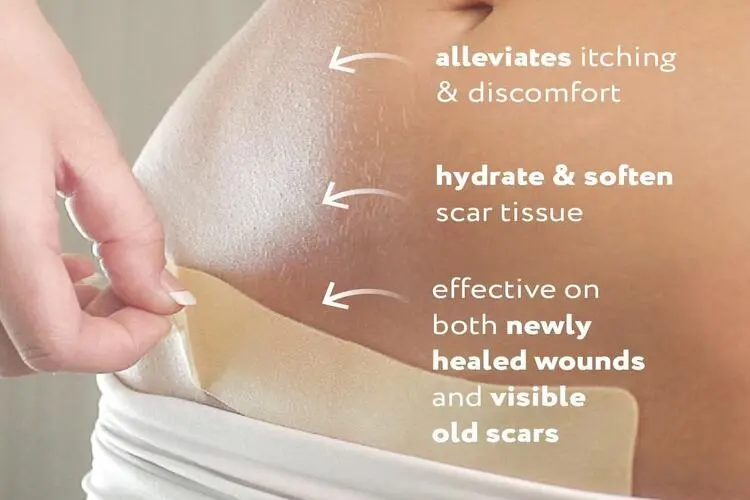
Dermatologists across the globe are increasingly recommending silicone scar tape as an essential component in optimal scar management. This innovative approach to scar treatment has gained significant traction in recent years, revolutionizing the way we address various types of scars, from surgical incisions to burns and trauma-related scarring. Silicone scar tape offers a non-invasive, cost-effective, and user-friendly solution that has been clinically proven to improve the appearance and texture of scars. By creating an ideal healing environment, this medical-grade silicone tape helps to flatten raised scars, reduce discoloration, and alleviate associated symptoms such as itching and discomfort. As we delve deeper into the reasons behind dermatologists' endorsement of silicone scar tape, we'll explore its mechanism of action, efficacy, and the numerous benefits it offers to patients seeking optimal scar care.
Dermatologist Insights: Silicone Tape Efficacy
Clinical Evidence Supporting Silicone Tape Use
Dermatologists' recommendation of silicone scar tape is firmly rooted in substantial clinical evidence. Numerous studies have demonstrated the efficacy of silicone-based products in scar management, with silicone tape emerging as a particularly effective option. Research has shown that silicone tape can significantly reduce scar height, improve flexibility, and decrease redness associated with hypertrophic and keloid scars. One landmark study published in the Journal of Cutaneous and Aesthetic Surgery found that 90% of patients using silicone tape experienced improvement in scar appearance after just 2 months of consistent use. These findings underscore why dermatologists are confident in recommending silicone tape as a first-line treatment for scar management.
Mechanism of Action in Scar Improvement
The effectiveness of silicone scar tape lies in its unique mechanism of action. Dermatologists explain that the tape works by creating an occlusive barrier over the scar, which increases hydration of the stratum corneum and reduces collagen production. This occlusion helps to regulate fibroblast production and collagen synthesis, effectively "normalizing" the healing process. Additionally, the pressure exerted by the tape on the scar tissue can help to flatten and soften raised scars over time. The silicone itself is believed to have intrinsic properties that positively influence the wound healing cascade, though the exact molecular mechanisms are still being studied. These factors combined make silicone tape a powerful tool in the dermatologist's arsenal for scar management.
Comparative Advantages Over Other Scar Treatments
Silicone scar tape offers several advantages over other scar treatments, which is why dermatologists often prefer it. Unlike topical creams or gels, the tape provides constant contact with the scar, ensuring continuous treatment. It's also more convenient for patients, as it can be left on for extended periods and doesn't require frequent reapplication. Compared to invasive procedures like steroid injections or laser therapy, silicone tape is non-invasive, painless, and carries minimal risk of side effects. Furthermore, it's cost-effective, making it accessible to a broader range of patients. Dermatologists appreciate that silicone tape can be used on a variety of scar types and locations, making it a versatile solution for diverse patient needs. These comparative advantages contribute significantly to why dermatologists consistently recommend silicone tape for optimal scar care.
Integrating Tape into Professional Scar Protocols
Customizing Treatment Plans with Silicone Tape
Dermatologists are adept at integrating silicone scar tape into customized treatment protocols for optimal patient outcomes. The flexibility of silicone tape allows for tailored approaches based on individual scar characteristics, patient lifestyle, and treatment goals. For instance, a dermatologist might recommend more frequent tape changes for a patient with an active lifestyle or combine tape use with other treatments like massage therapy for particularly stubborn scars. The ability to cut and shape the tape ensures it can be applied to scars of various sizes and in different body locations. This customization extends to treatment duration as well, with dermatologists adjusting the recommended length of use based on scar age, type, and response to treatment. By personalizing silicone tape protocols, dermatologists can maximize their effectiveness for each unique case.
Combining Tape with Other Scar Therapies
Silicone scar tape is often used as part of a comprehensive scar management plan. Dermatologists frequently combine tape therapy with other treatments to enhance overall outcomes. For example, silicone tape might be used in conjunction with pressure therapy for hypertrophic scars or keloids. In some cases, dermatologists may recommend alternating between silicone tape and topical treatments like vitamin E or onion extract gels. For more severe scars, the tape can be used as a complementary therapy alongside laser treatments or corticosteroid injections. This multi-modal approach allows dermatologists to target different aspects of scar formation and maturation simultaneously. The synergistic effects of combining therapies often lead to superior results compared to single-treatment approaches, highlighting the versatility of silicone tape in professional scar management protocols.
Monitoring Progress and Adjusting Treatment
Regular monitoring and adjustment of treatment plans are crucial aspects of professional scar management using silicone scar tape. Dermatologists typically schedule follow-up appointments to assess the progress of scar improvement and make necessary modifications to the treatment protocol. During these visits, they evaluate changes in scar appearance, texture, and associated symptoms. Photographic documentation and scar assessment scales are often used to objectively track progress over time. Based on these evaluations, dermatologists may adjust the duration of daily tape application, recommend changes in tape type or brand, or introduce complementary treatments. This ongoing assessment ensures that the treatment remains effective and responsive to the changing needs of the scar as it matures. The ability to fine-tune treatment plans underscores the importance of professional oversight in optimizing the benefits of silicone tape therapy.
Patient Education: Maximizing Silicone Tape Benefits
Proper Application and Maintenance Techniques
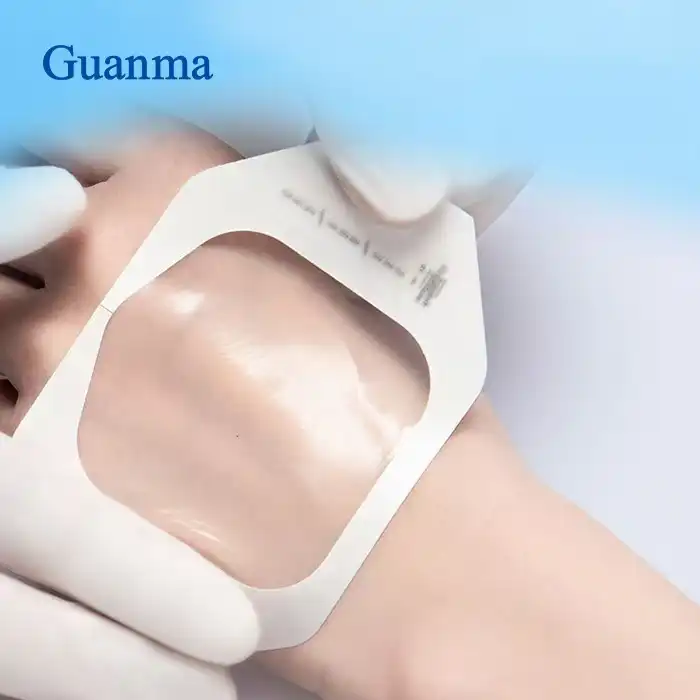
Educating patients on the correct use of silicone scar tape is crucial for maximizing its benefits. Dermatologists emphasize the importance of proper application techniques to ensure optimal contact between the tape and the scar. Patients are instructed to clean and dry the scar area thoroughly before applying the tape, ensuring there are no creams or oils on the skin that could interfere with adhesion. The tape should be cut to size, leaving a small margin around the scar, and applied without stretching to prevent skin irritation. Patients are advised to wear the tape continuously, typically for 12-24 hours a day, removing it only for cleaning or as directed by their dermatologist. Proper maintenance, including gentle cleaning of the tape and surrounding skin, helps prolong its effectiveness and prevent complications. By providing clear, step-by-step instructions, dermatologists empower patients to take an active role in their scar management, enhancing the overall success of the treatment.
Setting Realistic Expectations for Scar Improvement
Managing patient expectations is a critical aspect of silicone scar tape therapy. Dermatologists take care to explain that while silicone tape is highly effective, scar improvement is a gradual process that requires patience and consistency. Patients are informed that noticeable improvements may take several weeks to months, depending on the scar's age, type, and individual healing factors. It's emphasized that while silicone tape can significantly improve scar appearance, complete elimination of scars is often not realistic. Dermatologists use before-and-after photos of similar cases to illustrate potential outcomes and help patients understand what to expect. They also explain that different scars may respond differently to treatment, and that ongoing care may be necessary to maintain results. By fostering realistic expectations, dermatologists help patients remain motivated and committed to their treatment plan, leading to greater satisfaction with the outcomes.
Addressing Common Concerns and Side Effects
Dermatologists play a crucial role in addressing patient concerns and potential side effects associated with silicone scar tape use. Common issues include skin irritation, itching, or rashes, which can usually be managed by adjusting application techniques or temporarily reducing wear time. Patients are educated on signs of allergic reactions or infections and instructed to contact their dermatologist if these occur. Questions about tape visibility, durability during physical activities, and compatibility with sunscreen or makeup are also addressed. Dermatologists provide strategies for incorporating tape use into daily routines and offer solutions for specific lifestyle challenges. They also emphasize the importance of consistent use, even if immediate results aren't visible, to achieve optimal outcomes. By proactively addressing these concerns, dermatologists help ensure patient compliance and comfort throughout the treatment process, ultimately enhancing the effectiveness of silicone tape therapy.
Conclusion
Silicone scar tape has emerged as a cornerstone in dermatological scar management, offering a safe, effective, and user-friendly solution for various scar types. Its ability to improve scar appearance, reduce associated symptoms, and integrate seamlessly into comprehensive treatment plans makes it a preferred choice among dermatologists. The evidence-based efficacy, combined with its non-invasive nature and cost-effectiveness, positions silicone tape as an optimal care option for patients seeking to improve their scars. As research continues to validate its benefits, silicone scar tape is likely to remain a key recommendation in dermatological practice, helping patients achieve better aesthetic outcomes and improved quality of life.
For more information on silicone scar tape and other medical adhesive solutions, please contact Guanma Medical at betty@guanmamedical.com. As a leading manufacturer of medical adhesive tapes and wound care dressings, Guanma Medical is committed to providing high-quality, innovative products that meet the evolving needs of healthcare professionals and patients alike.
FAQ
Q: How long should silicone scar tape be used for optimal results?
A: Typically, silicone scar tape should be used for at least 2-3 months, but treatment may extend up to 6-12 months for older or more severe scars. Always follow your dermatologist's specific recommendations.
Q: Can silicone scar tape be used on all types of scars?
A: Silicone scar tape is effective for most scar types, including hypertrophic, keloid, and surgical scars. However, it's best to consult with a dermatologist to determine if it's suitable for your specific case.
Q: Are there any side effects associated with using silicone scar tape?
A: Side effects are generally minimal but may include skin irritation or rashes in some individuals. These can often be managed by adjusting application techniques or temporarily reducing wear time.
Q: How often should silicone scar tape be changed?
A: Most silicone scar tapes can be worn for 1-2 weeks before needing replacement, but this can vary based on the specific product and individual factors. Follow the manufacturer's instructions and your dermatologist's guidance.
Q: Can I wear makeup or sunscreen over silicone scar tape?
A: It's generally recommended to apply silicone tape directly to clean, dry skin. However, some types may be compatible with sunscreen or makeup. Consult your dermatologist for specific advice based on your treatment plan.
References
1. Gold, M. H., et al. (2014). "Updated international clinical recommendations on scar management: part 2—algorithms for scar prevention and treatment." Dermatologic Surgery, 40(8), 825-831.
2. Monstrey, S., et al. (2014). "Updated scar management practical guidelines: non-invasive and invasive measures." Journal of Plastic, Reconstructive & Aesthetic Surgery, 67(8), 1017-1025.
3. Bleasdale, B., et al. (2015). "The use of silicone adhesives for scar reduction." Advances in wound care, 4(7), 422-430.
4. Mustoe, T. A. (2008). "Evolution of silicone therapy and mechanism of action in scar management." Aesthetic Plastic Surgery, 32(1), 82-92.
5. Sidgwick, G. P., et al. (2015). "A comprehensive evidence-based review on the role of topicals and dressings in the management of skin scarring." Archives of dermatological research, 307(6), 461-477.
6. Gauglitz, G. G., et al. (2011). "Hypertrophic scarring and keloids: pathomechanisms and current and emerging treatment strategies." Molecular medicine, 17(1), 113-125.