_1745479303268.webp)
Micropore Tape
Micropore Tape – Gentle, Breathable & Hypoallergenic Surgical Tape Guide
What is Micropore Tape?
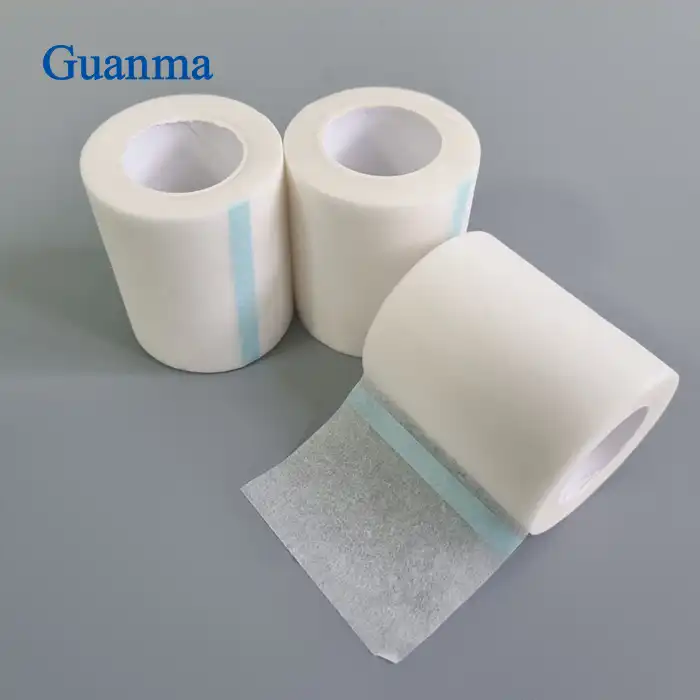
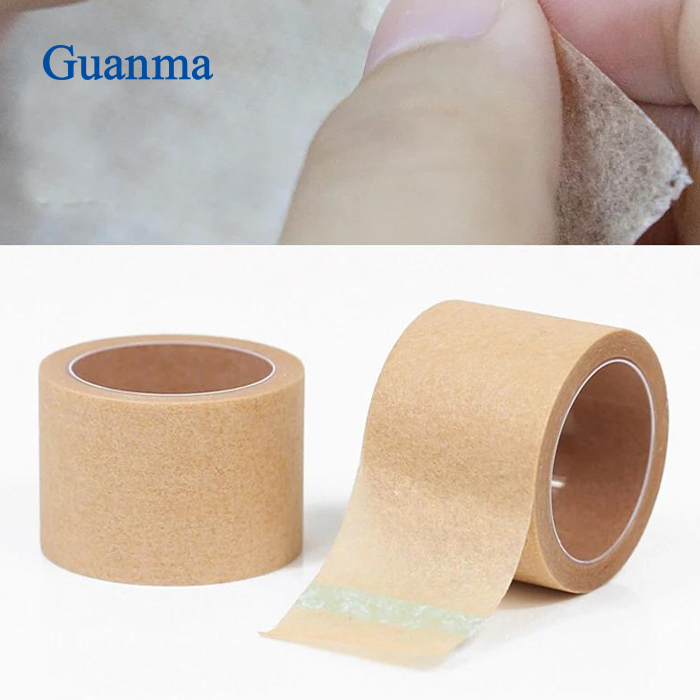
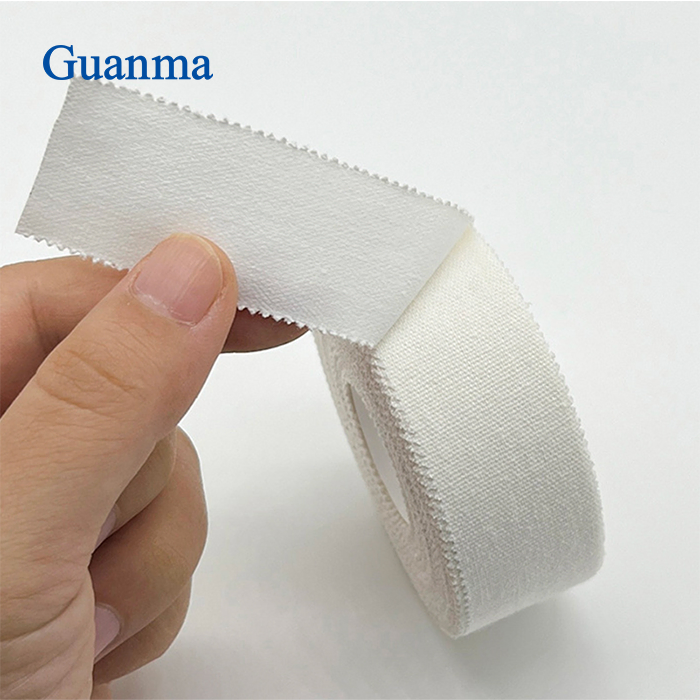
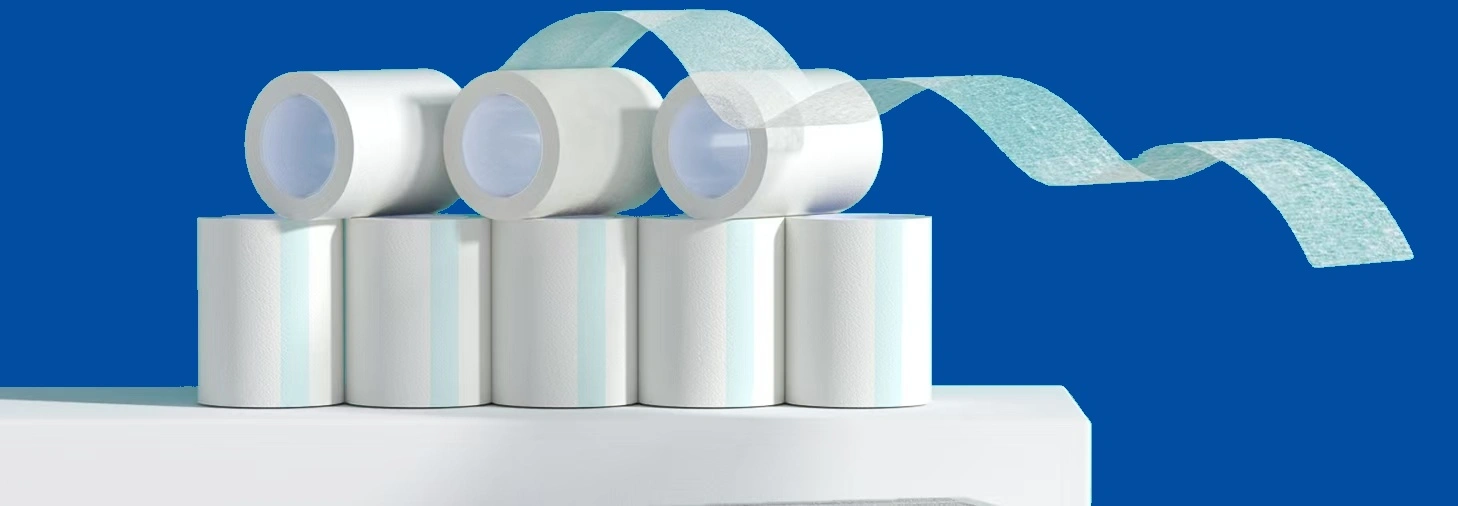
Micropore tape is a paper surgical tape made from a soft, breathable non-woven paper material and coated with acrylic. It is designed for secure yet gentle fixation of dressings, bandages, and medical devices.
Key Features & Benefits
🔹Made of soft non-woven paper, comfortable and non-irritating on the skin.
🔹Coated with high-adhesion acrylic adhesive, which offers excellent sweat resistance and high-temperature tolerance—ideal for use in hot climates where sweat often causes tapes to lose adhesion.
🔹Can be easily torn by hand during use, with no scissors required.
🔹No natural rubber latex, making it suitable for sensitive skin, including users in Europe and the United States.
In the field of surgical paper tape, Guanma’s biggest advantage can be summed up in three words — strong adhesion, strong adhesion, strong adhesion!
We have served markets such as Bangladesh, Thailand, Vietnam, and Pakistan, where the climate is hot year-round and the demand for high-adhesion surgical paper tape is extremely high. With 30 years of experience in the medical tape industry, Guanma has developed a specially formulated ultra-adhesive glue that stays firmly in place even in high temperatures and sweaty conditions, earning widespread trust and praise from our customers.
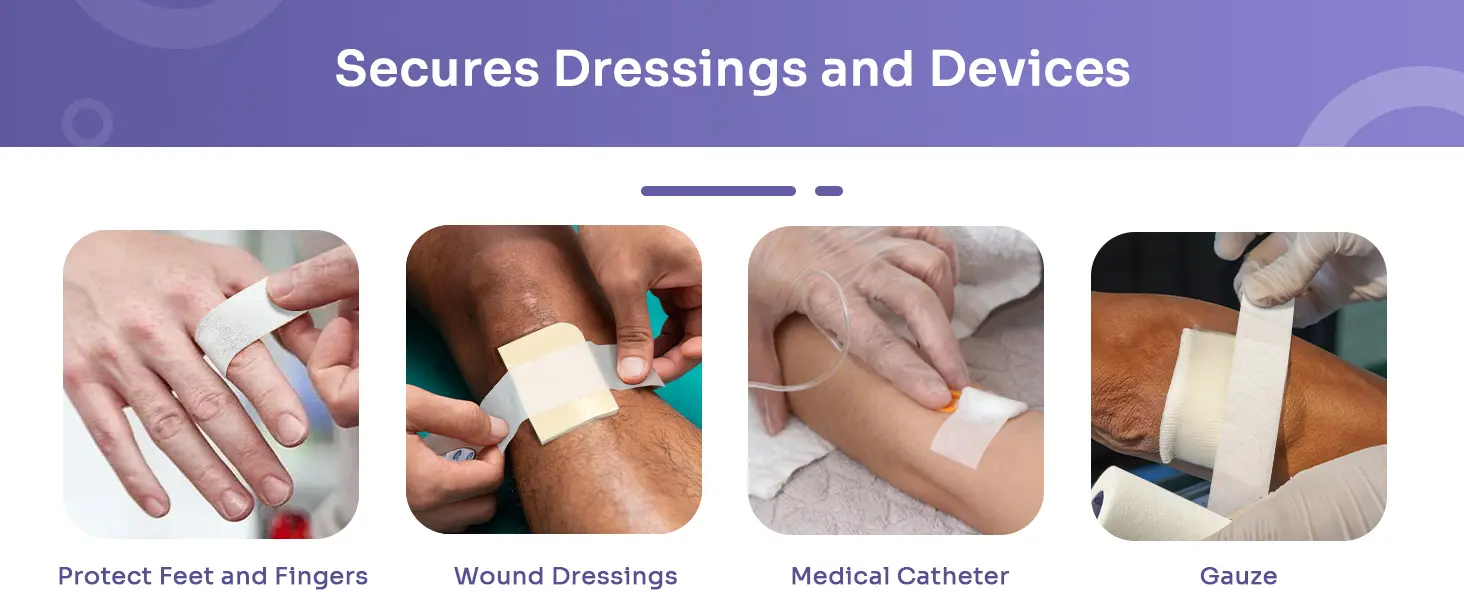
Common Applications
Micropore Tape vs Other Surgical Tapes
| Feature | Micropore Tape | Silk Tape | Waterproof PE Tape | Cloth Tape |
|---|---|---|---|---|
| Material & Structure | Microporous paper, lightweight, breathable | Silk, smooth surface, good flexibility | Polyethylene (PE) waterproof film | Cotton fabric, strong and durable |
| Breathability | High, allows skin to breathe | Moderate | Low (almost non-breathable) | Medium to high |
| Flexibility | Moderate conformity, best for flat areas | Excellent flexibility, conforms to curves | Relatively stiff, poor conformity | Good flexibility |
| Adhesive Type | Hypoallergenic acrylic | Acrylic or rubber-based | Acrylic | Rubber-based |
| Initial Tack | Moderate, secure but gentle | High | High | High |
| Long-term Hold | Stable for 1–2 days | High, suitable for long-term fixation | High | High |
| Residue | Minimal to none | Slight residue possible | Often leaves adhesive marks | Often leaves adhesive marks |
| Skin Friendliness | Very suitable for sensitive skin | May irritate sensitive skin | Not suitable for sensitive skin | Not suitable for sensitive skin |
| Pain on Removal | Low | Moderate | High | High |
| Moisture Resistance | Average, loses adhesion when wet | Moderate | Excellent (fully waterproof) | Moderate |
| Performance in Heat | Average | Stable | Stable | Stable |
| Performance on Hairy Areas | Moderate adhesion, easy removal | Strong adhesion, painful removal | Strong adhesion | Strong adhesion |
| Ease of Use | Hand-tearable | Requires scissors | Requires scissors | Hand-tearable |
| Size Options | Various widths and lengths | Various | Various | Various |
| Price | Low to mid-range | Mid to high range | Mid-range | Low to mid-range |
| Common Applications | Securing dressings, for infants/elderly skin, gentle post-op fixation | Operating room, securing catheters | Swimming, bathing, humid environments | Sports protection, long-term fixation |
How to Apply Micropore Tape Correctly
1. Clean and Dry the Skin before application.
2. Tear or Cut the tape to the desired length.
3. Apply Without Stretching to prevent skin tension and blisters.
4. Replace Every 24–48 Hours to maintain hygiene and adhesion.
5. Remove Gently by supporting the skin while peeling the tape.
Expert Recommendations
Healthcare professionals recommend micropore surgical tape for cases where skin integrity is a priority. It is especially effective for elderly patients, post-operative care, and pediatric wound management, where both breathability and hypoallergenic properties are critical.
Related Topics
>>Medical Surgical Tape – Complete Guide
>>3M Micropore Tape – Product Overview
>>Wound Dressing Tape – Selection Guide
>>Types of Surgical Tape – Pros & Cons
Send Inquiry