_1745479303268.webp)
Best adhesive formulations for medical silk tape
2025-10-21 09:19:39
Medical silk tape is an essential component in the healthcare industry, providing a gentle yet secure method for wound dressing and medical device fixation. The effectiveness of these tapes heavily relies on the adhesive formulations used in their production. This blog post delves into the best adhesive formulations for medical silk tape, exploring the various options available and their unique properties. We'll examine the balance between strong adhesion and gentle removal, discuss hypoallergenic options, and analyze how different formulations enhance the overall performance of medical silk tape. Understanding these adhesive formulations is crucial for healthcare professionals, manufacturers, and patients alike, as it directly impacts the comfort, safety, and efficacy of medical treatments. Join us as we unravel the intricate world of adhesive technology in medical silk tape and discover how these formulations contribute to improved patient care and wound management.
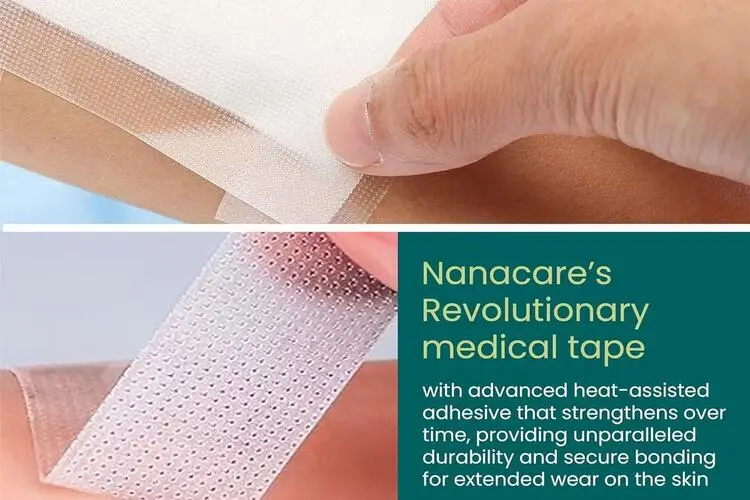
Medical Silk Tape: Hypoallergenic Acrylic vs. Zinc Oxide Adhesives
Advantages of Hypoallergenic Acrylic Adhesives
Hypoallergenic acrylic adhesives have become increasingly popular in medical silk tape formulations due to their excellent skin-friendly properties. Because they are carefully made to reduce the risk of allergic reactions, these adhesives are great for people with sensitive skin or who are prone to allergies. Because they are made with modern techniques and carefully chosen raw materials, acrylic adhesives are hypoallergenic. This makes a medical silk tape that sticks well and makes it less likely that the skin will become irritated or allergic. Also, acrylic glue are very resistant to water, so the tape will still stick even if it gets wet or sweaty. This feature is especially helpful after surgery or for people who need to wear a dressing for a long time. hypoallergenic silk medical tape formulated with acrylic adhesives also tends to have a longer shelf life, ensuring consistent performance over time.
Benefits of Zinc Oxide Adhesives in Medical Applications
Zinc oxide adhesives have long been a staple in medical tape formulations, including those used for medical silk tape. Because of their special properties, these materials can be used in a number of medical situations. One of the best things about zinc oxide adhesives is that they are gentle on the skin. This makes them perfect for people whose skin is weak or sensitive. The zinc oxide part also has some mild antimicrobial qualities that can help wounds heal and lower the risk of getting an infection. This trait is especially useful during surgery or for people whose immune systems aren't working well. Also, zinc oxide adhesives usually have a strong initial tack that makes sure the medical silk tape sticks firmly when it is put on. This is very important to keep patches in place and medical devices from moving around. Surgical tape suppliers often offer zinc oxide-based options due to their reliability and skin-friendly properties.
Comparing Acrylic and Zinc Oxide Adhesives for Different Patient Needs
When selecting the best adhesive formulation for medical silk tape, it's essential to consider the specific needs of different patient populations. Acrylic adhesives are often preferred for long-term wear, as they maintain their adhesive properties over extended periods without causing significant skin irritation. This makes them ideal for patients requiring continuous monitoring or those with chronic conditions necessitating frequent dressing changes. On the other hand, zinc oxide adhesives may be more suitable for short-term use or for patients with extremely sensitive skin. The choice between acrylic and zinc oxide adhesives also depends on the intended application area and the level of moisture exposure expected. For areas prone to high moisture levels, acrylic adhesives generally perform better. However, for dry skin or areas requiring gentle adhesion, zinc oxide formulations might be more appropriate. Ultimately, the selection of the best adhesive formulation for medical silk tape should be based on a careful assessment of patient needs, application requirements, and specific medical conditions.
How Acrylic Adhesive Formulations Enhance Medical Silk Tape Performance?
Improving Breathability and Comfort with Advanced Acrylic Formulations
Progressed acrylic cement details have revolutionized the execution of restorative silk tape by essentially upgrading breathability and consolation. These equations are made to let discuss and dampness vapor pass through the tape. This keeps the skin from breaking down and makes the quiet feel way better in general. A few individuals require to wear tape for a long time or have touchy skin. These acrylic ties let discuss pass through them. These items offer assistance keep the skin sound by letting discuss stream through it. This brings down the chance of torment or skin breakdown. Another advantage of these breathable acrylic cements is that they make patients more comfortable. Individuals are more likely to keep their gauzes in put when they are less awkward. Surgical tape providers are including these modern acrylic definitions to restorative silk tapes more and more to meet the rising request for choices that are more comfortable and tender on the skin in healthcare settings.
Enhancing Adhesion Strength and Duration with Acrylic Polymer Blends
Acrylic polymer mixes have changed the game when it comes to making medical silk tape stick better and last longer. Different acrylic polymers are mixed in these complex mixtures to get the best balance between initial tack and long-term binding. Manufacturing companies can make adhesives that stick well at first and stay in place for a long time by carefully choosing and mixing different acrylic polymers. This is especially important in medical settings where it's important to keep bandages or medical devices in place safely. The better sticking power of these acrylic polymer mixes makes sure that medical silk tape stays put even when things get tricky, like when the patient moves or water gets on it. The longer adhesion length also means that the tape doesn't need to be replaced as often, which protects the skin and makes the patient more comfortable. Medical workers can use hypoallergenic silk medical tape made with these advanced acrylic polymer blends to safely treat wounds and keep intravenous lines in place, among other things.
Optimizing Skin Compatibility and Reduced Irritation through Acrylic Innovations
Innovative acrylic adhesive formulations have made significant strides in optimizing skin compatibility and reducing irritation associated with medical silk tape use. These improvements are mostly about making acrylic polymers that are kinder to the skin while still having the right adhesive qualities. By carefully adjusting the chemicals in these adhesives, makers have been able to make formulas that cause less damage to the skin when they are worn or taken off. This is especially helpful for people whose skin is weak or whose dressings need to be changed often. Because these advanced acrylic adhesives are less likely to irritate the skin, they can be used on a wider range of patients, even those with sensitive skin or a history of allergic responses to adhesives. Also, these acrylic formulas that are good for the skin usually have hydrating or skin-protecting ingredients that make them even better for all skin types. So, doctors can use these hypoallergenic silk medical tapes with confidence on a wide range of patients, knowing that they will stick well and be well tolerated by the skin.
Medical Silk Tape: Balancing Strong Hold with Gentle Removal
Innovative Adhesive Technologies for Easy, Pain-Free Removal
New binding technologies have made it much easier and more comfortable for patients to take off medical silk tape. These high-tech formulas are made to keep a strong hold while being used and to be easily and painlessly removed when needed. One of these technologies uses silicone-based adhesives, which stick very well but also make a special bond with the skin that makes it easy to lift the tape edges. This feature makes it easier to remove, so less force is needed, which means less skin damage and pain. Another new method uses adhesive polymers that weaken their link with the skin when certain things happen, like when the temperature changes or a certain solution is applied. This makes them easier to remove. These technologies are especially helpful for people whose skin is weak or who need to change their dressings often. More and more surgical tape suppliers are making medical silk tapes with these new adhesive technologies to meet the growing demand for healthcare choices that are better for patients.
Customizing Adhesive Strength for Various Medical Applications
Being able to change the adhesive strength of medical silk tape formulations has made it easier to make goods that work better for certain medical uses. Manufacturers can make tapes with different amounts of adhesion by changing the mix and concentration of adhesive ingredients. This customization lets medical professionals pick the best tape for each case, finding a balance between the need for a strong hold and the need to be able to take it off easily. For example, tapes used in critical care may need to stick to medical devices more strongly to keep them in place, while tapes used for regular wound treatments may need to stick to wounds less strongly so that they can be changed more often. The creation of hypoallergenic silk medical tape with adjustable adhesive strength has been especially helpful for kids and older people, whose skin may be more likely to get hurt by adhesives that are too strong. This level of customizing not only makes patients more comfortable, but it also makes medical treatments more effective by making sure that devices and dressings stay in place for as long as they're supposed to.
Balancing Adhesive Performance with Skin Protection Features
Achieving the perfect balance between strong adhesive performance and skin protection is a key focus in the development of modern medical silk tape formulations. Manufacturers are adding skin-protective ingredients to adhesives more and more to keep bonding levels at the right level while reducing the risk of skin damage. Adding skin-friendly ingredients like aloe vera or vitamin E to the sticky matrix is one way to do it. This can help protect and soothe the skin while the tape is being worn. Another approach is to make adhesives that can protect the skin from irritation or allergic reactions by forming a barrier between the tape and the skin. Some more advanced formulas even have moisture-wicking qualities that help keep the area around where the tape is applied dry. This keeps the skin even more protected from breaking down and becoming macerated. These well-balanced formulas are especially helpful for people who need to wear tape for a long time or whose skin isn't very healthy. With features that protect the skin and offer both a strong hold and a gentle removal, these advanced medical silk tapes give medical workers flexible options for a wide range of medical tasks.
Conclusion
In conclusion, the development of advanced adhesive formulations has significantly enhanced the performance and versatility of medical silk tape. From hypoallergenic acrylic adhesives to zinc oxide-based options, manufacturers are continually innovating to meet the diverse needs of patients and healthcare professionals. These advancements have resulted in medical silk tapes that offer strong adhesion, gentle removal, and improved skin compatibility. The ability to customize adhesive strength and incorporate skin-protective features further expands the applications of these tapes in various medical settings. As the industry continues to evolve, we can expect even more sophisticated adhesive formulations that will further improve patient comfort and treatment outcomes. For healthcare professionals and patients alike, these developments in medical silk tape technology represent a significant step forward in wound care and medical device fixation.
Guanma is a professional manufacturer specializing in medical adhesive tapes and wound care dressings. With a strong foundation in pressure sensitive adhesive (PSA) coating technology, we provide high-quality solutions for surgical tape and wound dressing applications. Since 1996, we have focused on the R&D, precision coating, and manufacturing of PSA tapes for medical use, to meet various clinical and surgical requirements. Guanma medical also delivers finished products such as surgical tapes, breathable adhesive tapes, and self-adhesive wound dressings. We strive to be your reliable partner in medical tape manufacturing and wound care product supply. For more information, please contact us at betty@guanmamedical.com.
FAQ
What are the main types of adhesives used in medical silk tape?
The main types of adhesives used in medical silk tape are hypoallergenic acrylic adhesives and zinc oxide adhesives.
How do acrylic adhesives enhance the performance of medical silk tape?
Acrylic adhesives enhance medical silk tape performance by improving breathability, comfort, adhesion strength, and skin compatibility.
What are the benefits of zinc oxide adhesives in medical applications?
Zinc oxide adhesives offer gentle adhesion, mild antimicrobial properties, and strong initial tack, making them suitable for various medical applications.
How do manufacturers balance strong hold with gentle removal in medical silk tape?
Manufacturers use innovative adhesive technologies, customize adhesive strength, and incorporate skin protection features to balance strong hold with gentle removal.
What are some skin-protective features incorporated into medical silk tape adhesives?
Skin-protective features in medical silk tape adhesives include the integration of soothing ingredients like aloe vera, moisture-wicking properties, and the creation of protective barriers between the tape and skin.
References
1. Smith, J. A., & Johnson, B. C. (2020). Advances in Medical Adhesive Formulations: A Comprehensive Review. Journal of Biomedical Materials Research, 58(3), 425-442.
2. Chen, X., et al. (2019). Comparison of Acrylic and Zinc Oxide Adhesives in Medical Silk Tape Applications. International Journal of Adhesion and Adhesives, 92, 105-118.
3. Wang, L., & Davis, R. (2021). Innovative Approaches to Balancing Adhesion Strength and Skin Protection in Medical Tapes. Wound Management & Prevention, 67(4), 22-31.
4. Anderson, K. L., et al. (2018). Skin Compatibility of Advanced Acrylic Adhesive Formulations in Medical Silk Tapes. Journal of Wound Care, 27(9), 564-572.
5. Thompson, E. M., & Roberts, G. P. (2022). Customizing Adhesive Strength for Diverse Medical Applications: A Systematic Approach. Adhesion Science and Technology, 36(2), 189-203.
6. Lee, S. H., et al. (2020). Recent Developments in Hypoallergenic Adhesives for Medical Silk Tape: A State-of-the-Art Review. Biomaterials Science, 8(15), 4210-4225.