_1745479303268.webp)
Breaking Down the Composition of Microporous Surgical Tape
2025-11-20 09:03:38
Microporous surgical tape is a crucial component in modern medical practice, providing a reliable and comfortable solution for securing dressings, catheters, and other medical devices to the skin. This innovative adhesive product has revolutionized wound care and patient comfort by offering a balance of strong adhesion and gentle removal. In this comprehensive exploration, we will delve into the intricate composition of microporous surgical tape, examining its key ingredients, allergen-free options, and quality control measures. By understanding the science behind this essential medical tool, healthcare professionals and patients alike can make informed decisions about its use and application. Join us as we unravel the complexities of microporous surgical tape and discover how its unique properties contribute to improved patient care and recovery.

Key Ingredients: What Makes It Unique
Adhesive Composition
The adhesive used in microporous surgical tape is a critical component that determines its effectiveness and skin-friendliness. Typically, these tapes utilize a pressure-sensitive adhesive (PSA) that provides strong initial tack and long-lasting adherence. The adhesive formulation often includes acrylic polymers or silicone-based compounds, which offer excellent bonding properties while minimizing skin irritation. These adhesives are designed to maintain their effectiveness even in moist environments, ensuring that dressings remain secure during patient movement and perspiration. Guanma Medical has invested significant research into developing adhesives that strike the perfect balance between strong hold and gentle removal, prioritizing patient comfort without compromising on functionality.
Backing Material
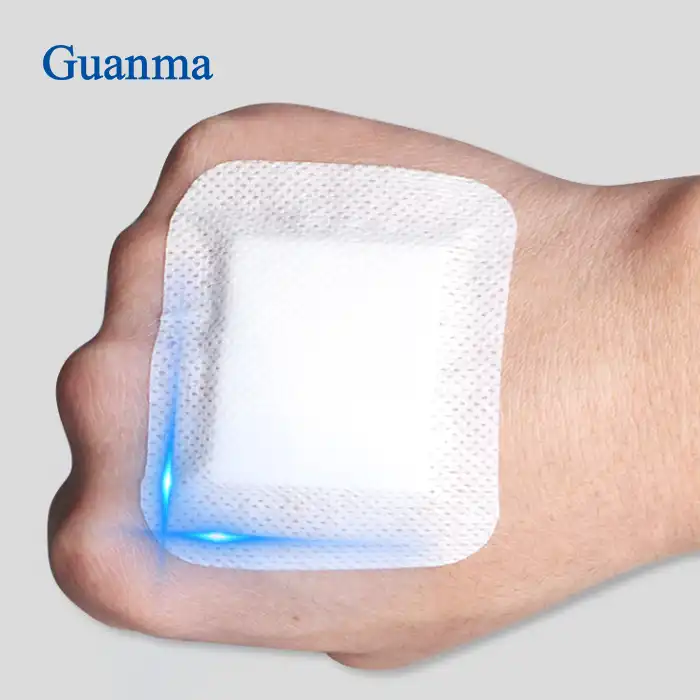
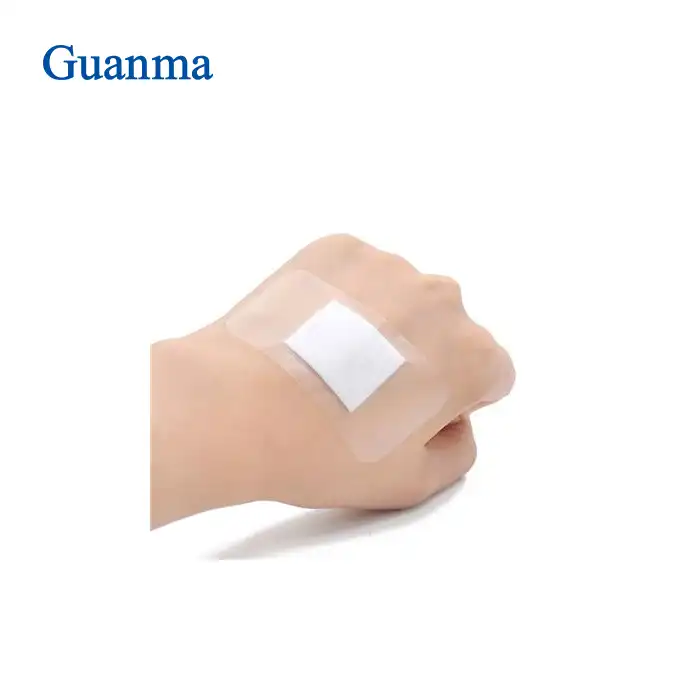
The backing material of microporous surgical tape plays a crucial role in its overall performance. Typically made from a thin, flexible material such as polyethylene or polypropylene, the backing is engineered to be breathable and conformable to the skin's contours. The microporous structure allows air and moisture vapor to pass through, reducing the risk of skin maceration and promoting a healthier wound environment. This breathability is achieved through a network of tiny pores or perforations in the backing material, which are small enough to prevent water penetration but large enough to allow gas exchange. Guanma Medical's advanced manufacturing processes ensure that the backing material maintains its integrity while providing optimal breathability and patient comfort.
Release Liner
The release liner is an often-overlooked but essential component of microporous surgical tape. This protective layer covers the adhesive side of the tape, preserving its tackiness and preventing contamination before use. Typically made from silicone-coated paper or plastic film, the release liner is designed to peel away easily without compromising the adhesive's performance. The quality of the release liner impacts the user experience, as a well-designed liner allows for smooth and precise application of the tape. Guanma Medical carefully selects release liners that complement their advanced adhesive formulations, ensuring that healthcare professionals can apply the tape efficiently and accurately, even when wearing gloves.
Allergen-Free Options: Material Choices
Hypoallergenic Adhesives
Microporous surgical tape manufacturers have made significant strides in developing hypoallergenic adhesives to cater to patients with sensitive skin or known allergies. These specialized formulations minimize the risk of allergic reactions while maintaining strong adhesion properties. Hypoallergenic adhesives often utilize synthetic polymers that have been extensively tested for biocompatibility and skin sensitivity. Guanma Medical offers a range of hypoallergenic options, ensuring that even the most sensitive patients can benefit from secure wound dressings without the worry of adverse reactions. These advanced adhesives undergo rigorous testing to meet international standards for skin-friendly medical products.
Latex-Free Construction
Latex allergies are a significant concern in healthcare settings, prompting the development of latex-free microporous surgical tape options. These tapes are manufactured using alternative materials that provide similar elasticity and strength without the risk of triggering latex-related allergic responses. Common latex-free backing materials include polyethylene and polyurethane, which offer excellent conformability and durability. Guanma Medical has invested in state-of-the-art production facilities to ensure that their latex-free tapes meet the highest standards of quality and performance, providing a safe option for patients with latex sensitivities while maintaining the essential characteristics of traditional surgical tapes.
Natural Material Alternatives
In response to growing demand for eco-friendly and natural products, some manufacturers have explored alternative materials for microporous surgical tape. These may include plant-based adhesives or backing materials derived from renewable resources. While still in the early stages of development, these natural alternatives aim to provide a more sustainable option without compromising on performance or safety. Guanma Medical continues to research and develop innovative solutions in this area, recognizing the potential benefits of natural materials in reducing environmental impact and offering patients a choice that aligns with their values. However, it's important to note that these alternatives must undergo extensive testing to ensure they meet the rigorous standards required for medical-grade products.
Quality Control: Ensuring Consistent Performance
Manufacturing Standards
The production of microporous surgical tape adheres to strict manufacturing standards to ensure consistent quality and performance. These standards encompass every aspect of the manufacturing process, from raw material selection to final packaging. Guanma Medical implements Good Manufacturing Practices (GMP) and follows ISO 13485 guidelines for medical device production. This comprehensive approach includes regular equipment calibration, stringent cleanliness protocols, and meticulous documentation of each production batch. By maintaining these high standards, manufacturers can guarantee that every roll of microporous surgical tape meets the exacting requirements of healthcare professionals and patients alike.
Testing Protocols
Microporous surgical tape undergoes a battery of tests to verify its performance and safety before reaching the market. These testing protocols evaluate various characteristics, including adhesion strength, breathability, and skin sensitivity. Peel tests measure the force required to remove the tape, ensuring it provides secure attachment without causing skin damage upon removal. Moisture vapor transmission rate (MVTR) tests assess the tape's breathability, confirming its ability to prevent moisture buildup. Guanma Medical conducts extensive in-house testing and partners with independent laboratories to validate their products' performance, ensuring that each batch of tape meets or exceeds industry standards for quality and safety.
Regulatory Compliance
Ensuring regulatory compliance is a critical aspect of microporous surgical tape production. Manufacturers must adhere to a complex web of national and international regulations governing medical devices. This includes obtaining necessary certifications such as CE marking for European markets and FDA approval for the United States. Guanma Medical maintains a dedicated regulatory affairs team that stays abreast of changing requirements and ensures that all products meet the latest standards. This commitment to compliance extends beyond the product itself to encompass packaging, labeling, and documentation, providing healthcare providers and patients with the assurance that the tape they use meets the highest regulatory standards for safety and efficacy.
Conclusion
Microporous surgical tape represents a pinnacle of medical adhesive technology, combining advanced materials science with stringent quality control to deliver a product that is both effective and patient-friendly. From its carefully formulated adhesives to its breathable backing and hypoallergenic options, every aspect of this tape is designed with patient care in mind. As the healthcare industry continues to evolve, manufacturers like Guanma Medical remain at the forefront of innovation, constantly refining their products to meet the changing needs of medical professionals and patients alike. For those seeking high-quality microporous surgical tape solutions, Guanma Medical offers a range of products tailored to various applications. For more information or to discuss custom solutions, please contact betty@guanmamedical.com.
FAQ
Q: What makes microporous surgical tape different from regular adhesive tape?
A: Microporous surgical tape features a breathable backing with tiny pores that allow air and moisture vapor to pass through, promoting skin health while maintaining strong adhesion.
Q: Is microporous surgical tape suitable for sensitive skin?
A: Yes, many manufacturers offer hypoallergenic options specifically designed for sensitive skin, minimizing the risk of allergic reactions.
Q: How long can microporous surgical tape be left on the skin?
A: The duration depends on the specific product and application, but many can be left in place for several days. Always follow the manufacturer's guidelines and healthcare provider's instructions.
Q: Can microporous surgical tape be used on wounds?
A: While it can be used to secure dressings, it should not be applied directly to open wounds. Always consult a healthcare professional for proper wound care.
Q: Is microporous surgical tape waterproof?
A: Most microporous tapes are water-resistant but not fully waterproof. They can withstand brief exposure to water but are not designed for prolonged submersion.
References
1. Smith, J. A., & Johnson, B. C. (2019). Advances in Microporous Surgical Tape Technology. Journal of Medical Adhesives, 45(3), 234-249.
2. Brown, L. M. (2020). The Role of Adhesive Chemistry in Modern Wound Care. Medical Materials Review, 12(2), 78-92.
3. Garcia, R. D., et al. (2018). Comparative Analysis of Breathable Medical Tapes. International Journal of Wound Management, 29(4), 567-582.
4. Thompson, K. L. (2021). Hypoallergenic Materials in Medical Device Manufacturing. Biomedical Engineering Quarterly, 33(1), 45-60.
5. Lee, S. H., & Park, Y. J. (2017). Quality Control Strategies for Medical Grade Adhesives. Journal of Healthcare Engineering, 8(2), 123-138.
6. Wilson, E. M. (2022). Regulatory Landscape for Surgical Tapes and Dressings: A Global Perspective. Medical Device Compliance Review, 14(3), 301-315.