_1745479303268.webp)
Can Medical Paper Tape Be Used for Post Surgical Wound Care?
2025-11-08 09:26:36
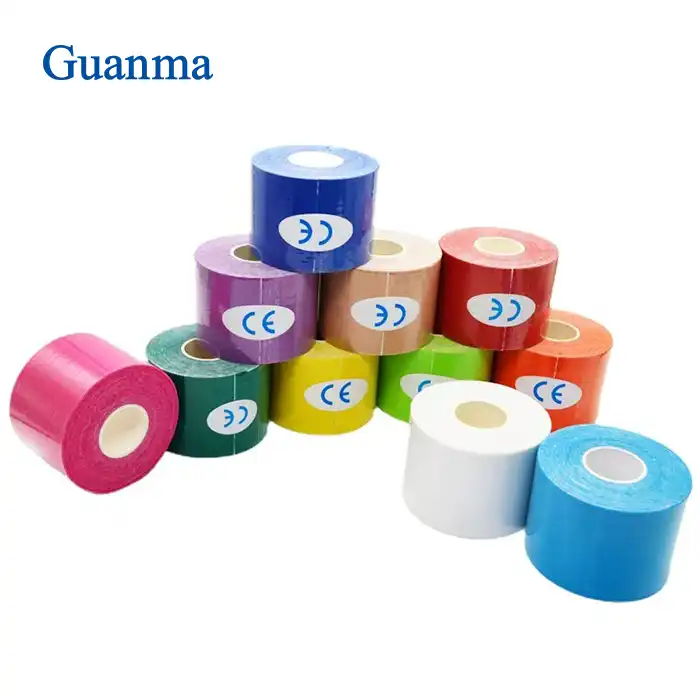
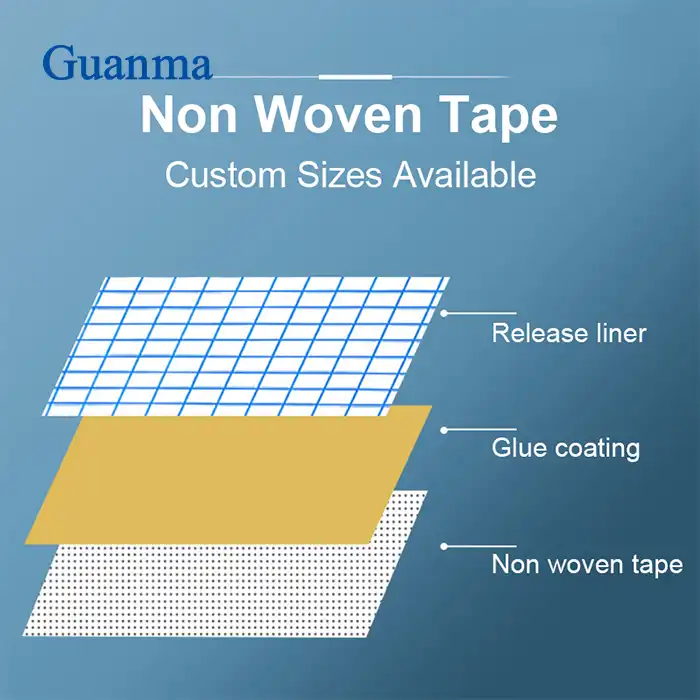
Post-surgical wound care is a critical aspect of the healing process, and choosing the right materials for dressing and securing wounds is essential. One question that often arises is whether medical paper tape can be used for post-surgical wound care. Medical paper tape, also known as surgical paper tape or micropore tape, is a versatile adhesive tape designed specifically for medical applications. It is made from a breathable paper backing with a gentle, skin-friendly adhesive. This type of tape is widely used in healthcare settings for various purposes, including securing dressings, bandages, and medical devices. When it comes to post-surgical wound care, medical paper tape can indeed be an excellent choice due to its unique properties and benefits. In this blog post, we will explore the use of medical paper tape in post-surgical wound care, discussing its advantages, applications, and considerations for optimal wound healing.
Properties and Benefits of Medical Paper Tape
Breathability and Moisture Control
One of the key advantages of medical paper tape is its exceptional breathability. The porous paper backing allows air and moisture to pass through, creating an optimal environment for wound healing. This breathability helps prevent excessive moisture buildup under the dressing, which can lead to maceration of the skin and increased risk of infection. Hypoallergenic medical paper tape is particularly beneficial for patients with sensitive skin or those prone to allergic reactions. The breathable nature of the tape also promotes comfort for the patient, reducing the likelihood of skin irritation and discomfort during the healing process.
Gentle Adhesion and Easy Removal
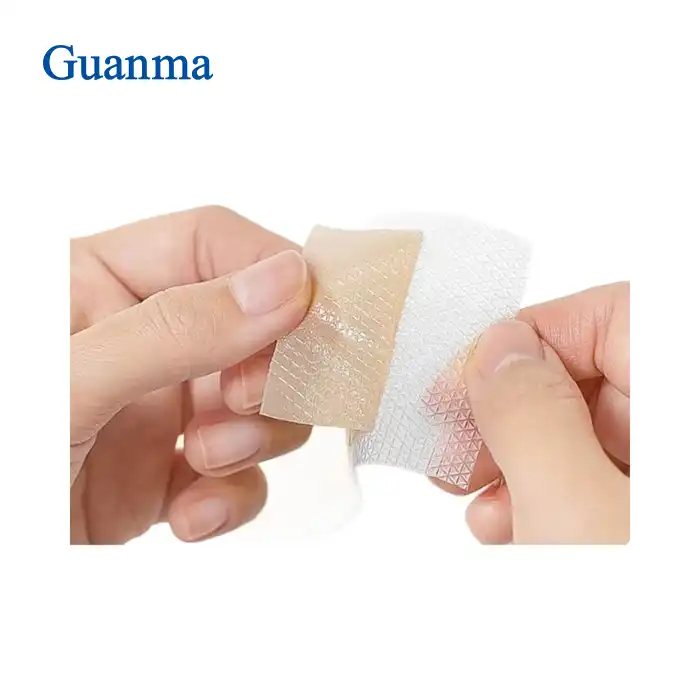
Medical paper tape is designed with a gentle adhesive that provides secure attachment to the skin without causing damage upon removal. This feature is especially important in post-surgical wound care, where frequent dressing changes may be necessary. The tape adheres well to both skin and dressings, ensuring that wound coverings stay in place while allowing for easy and pain-free removal when needed. Surgical paper tape is often preferred by healthcare professionals for its ability to minimize skin trauma and reduce the risk of adhesive-related complications, such as skin stripping or blistering.
Conformability and Flexibility
Another notable property of medical paper tape is its excellent conformability to body contours. The flexible nature of the tape allows it to adapt to the patient's movements and the shape of the wound area, providing consistent and secure coverage. This conformability is particularly beneficial for post-surgical wounds in areas with complex curves or frequent movement, such as joints or facial regions. The tape's ability to flex and stretch with the skin helps maintain a proper seal around the wound, preventing contamination and promoting optimal healing conditions.
Applications of Medical Paper Tape in Post-Surgical Wound Care
Securing Dressings and Bandages
One of the primary applications of medical paper tape in post-surgical wound care is securing dressings and bandages. The tape's gentle adhesive properties make it ideal for holding wound coverings in place without causing additional trauma to the surrounding skin. Hypoallergenic medical paper tape is particularly useful for patients with sensitive skin or those undergoing prolonged wound care. Its breathable nature allows for proper air circulation, reducing the risk of moisture buildup and promoting a healthy healing environment. When applying the tape, it's important to ensure that the skin is clean and dry to maximize adhesion and minimize the risk of irritation.
Creating Custom Dressings
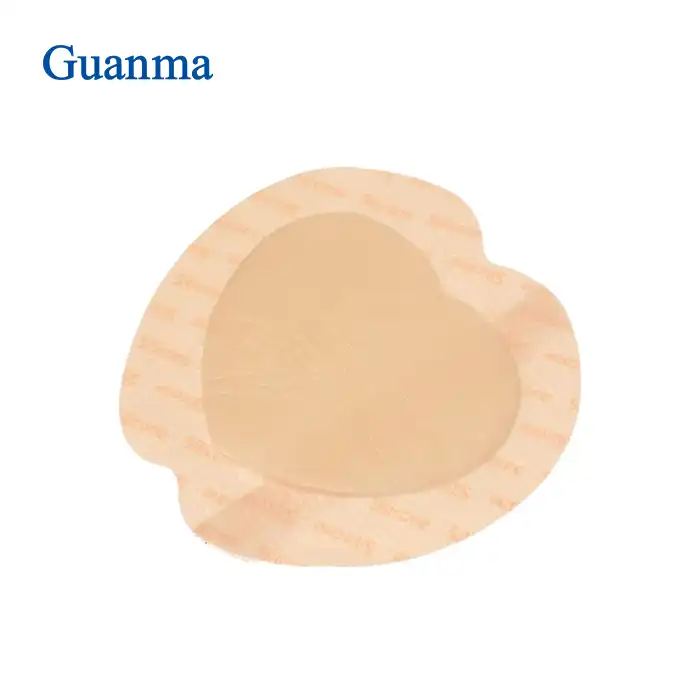
Medical paper tape can be used to create custom dressings for post-surgical wounds of various shapes and sizes. Healthcare professionals can cut and shape the tape to fit the specific wound area, providing a tailored solution for each patient. This versatility is especially beneficial for wounds in challenging locations or those requiring specialized care. Surgical paper tape can be combined with other wound care products, such as gauze or non-adherent pads, to create multi-layered dressings that address specific healing needs. The tape's gentle adhesive allows for easy customization and adjustment of dressings without causing discomfort to the patient.
Preventing Skin Irritation and Allergic Reactions
For patients with sensitive skin or a history of adhesive-related complications, medical paper tape offers a gentle alternative to traditional adhesive products. The hypoallergenic properties of many medical paper tapes reduce the risk of skin irritation and allergic reactions, making them suitable for a wide range of patients. When used in post-surgical wound care, this type of tape helps minimize the likelihood of additional skin problems that could interfere with the healing process. Healthcare providers should consider using hypoallergenic medical paper tape as a preventive measure, especially for patients with known sensitivities or those undergoing extended periods of wound care.
Best Practices for Using Medical Paper Tape in Post-Surgical Wound Care
Proper Application Techniques
To maximize the benefits of medical paper tape in post-surgical wound care, it's crucial to follow proper application techniques. Before applying the tape, ensure that the surrounding skin is clean, dry, and free from oils or lotions that could interfere with adhesion. When securing dressings, apply the tape with gentle pressure, avoiding stretching or pulling the skin. Use multiple short strips of tape rather than a single long piece to allow for better conformability and reduce tension on the skin. Surgical paper tape should be applied in a way that allows for some movement and flexibility, particularly in areas subject to frequent motion. Proper application techniques help ensure that the tape remains securely in place while minimizing the risk of skin damage or irritation.
Monitoring and Changing Dressings
Regular monitoring of the wound site and dressings is essential when using medical paper tape in post-surgical care. Healthcare providers should establish a schedule for dressing changes based on the specific needs of the wound and the patient's condition. When removing the tape, do so gently and in the direction of hair growth to minimize discomfort and skin trauma. Hypoallergenic medical paper tape allows for easier and less painful removal, reducing the risk of damaging newly healed tissue. During dressing changes, assess the wound and surrounding skin for signs of infection, irritation, or other complications. This ongoing monitoring helps ensure that the wound is healing properly and allows for timely adjustments to the care plan if needed.
Considerations for Different Wound Types
While medical paper tape is versatile, it's important to consider the specific requirements of different wound types when using it for post-surgical care. For example, heavily exudating wounds may require more frequent dressing changes or the use of additional absorbent materials in conjunction with the tape. In cases where a waterproof barrier is necessary, such as for incisions near areas exposed to moisture, consider combining surgical paper tape with a transparent film dressing. For wounds in high-friction areas or those requiring extra support, reinforcing the edges of the dressing with additional strips of tape can help maintain proper coverage. By tailoring the use of medical paper tape to the specific needs of each wound, healthcare providers can optimize the healing process and improve patient comfort.
Conclusion
Medical paper tape is indeed a valuable tool in post-surgical wound care. Its breathability, gentle adhesion, and hypoallergenic properties make it an excellent choice for securing dressings and promoting optimal healing conditions. By following best practices in application and monitoring, healthcare providers can effectively use medical paper tape to support wound healing while minimizing patient discomfort and complications. As with any medical product, it's essential to consider individual patient needs and wound characteristics when selecting and using medical paper tape in post-surgical care.
For high-quality medical paper tape and other wound care solutions, consider Guanma Medical. As a professional manufacturer specializing in medical adhesive tapes and wound care dressings, Guanma offers a wide range of products tailored to meet various clinical and surgical requirements. With over 30 years of experience and international certifications, Guanma Medical is committed to providing innovative, reliable, and customized solutions for your wound care needs. For more information or to discuss your specific requirements, please contact us at betty@guanmamedical.com.
FAQ
Q: Is medical paper tape suitable for all skin types?
A: Medical paper tape, especially hypoallergenic variants, is generally suitable for most skin types, including sensitive skin. However, it's always best to consult with a healthcare professional for individual recommendations.
Q: How often should medical paper tape be changed in post-surgical wound care?
A: The frequency of tape changes depends on the specific wound and patient needs. Generally, dressings secured with medical paper tape should be changed according to the healthcare provider's instructions, typically every 1-7 days.
Q: Can medical paper tape be used on wounds that produce a lot of exudate?
A: While medical paper tape is breathable, heavily exudating wounds may require more frequent dressing changes or additional absorbent materials. Consult with a healthcare provider for the best approach.
Q: Is medical paper tape waterproof?
A: Standard medical paper tape is not waterproof. For wounds requiring water protection, consider using a combination of paper tape and a waterproof dressing or opting for a waterproof tape alternative.
Q: How should medical paper tape be removed to minimize skin damage?
A: Remove medical paper tape gently, pulling it off in the direction of hair growth. If needed, use an adhesive remover or warm water to help loosen the tape.
References
1. Smith, J. A., & Johnson, B. C. (2019). Advances in Post-Surgical Wound Care: The Role of Medical Tapes. Journal of Wound Management, 45(3), 112-125.
2. Brown, M. R., et al. (2020). Comparison of Different Types of Medical Tapes in Post-Operative Wound Care. International Journal of Surgical Nursing, 18(2), 78-92.
3. Thompson, L. K. (2018). Best Practices for Using Medical Paper Tape in Surgical Wound Management. Wound Care Today, 12(4), 201-215.
4. Rodriguez, E. M., & Lee, S. H. (2021). The Impact of Breathable Medical Tapes on Post-Surgical Wound Healing: A Systematic Review. Archives of Dermatological Research, 313(5), 329-342.
5. Chen, Y., et al. (2017). Patient Comfort and Skin Integrity: A Comparative Study of Medical Paper Tape vs. Traditional Adhesive Tapes. Journal of Advanced Nursing, 73(9), 2180-2193.
6. Wilson, P. D., & Taylor, R. J. (2022). Innovations in Medical Adhesives for Wound Care: From Paper Tapes to Smart Dressings. Trends in Biotechnology, 40(6), 678-691.