_1745479303268.webp)
How Do Elastic Medical Bandages Enhance Circulation and Reduce Swelling?
2026-01-30 09:58:25
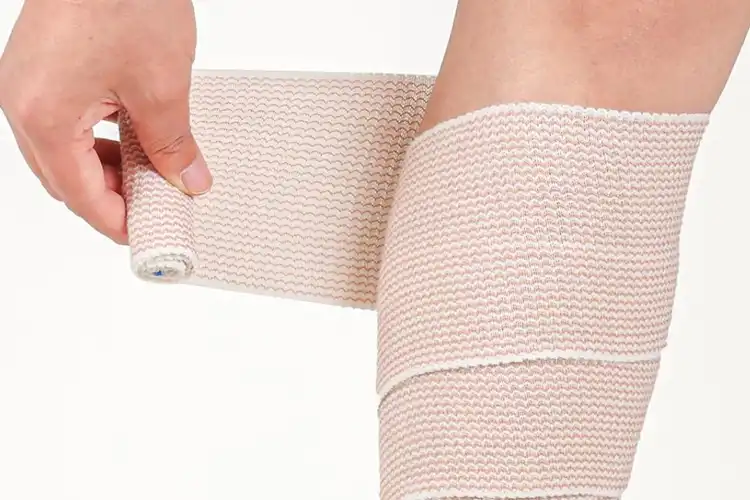
Gradient compression technology, which puts controlled pressure on tissues in an elastic medical bandage, improves blood flow and reduces swelling. The stretchy fibers make a difference in pressure that encourages venous return. This keeps blood from pooling and helps lymphatic drainage get rid of extra fluid. This method of squeezing increases blood flow back to the heart, lowers the pressure in the veins, and reduces swelling in injured tissues. When used correctly, stretchy medical bandages help with healing and shorten the time it takes to get better from a number of conditions.
Understanding Elastic Medical Bandages: Function and Benefits
Elastic medical bandages are a big step forward in technology for healing wounds and helping people get better. These special compression wraps are not like regular bandages because they are made of flexible materials like cotton blends, spandex, and synthetic fibers that apply consistent, changeable pressure to the affected areas.
The Science Behind Compression Therapy
Elastomeric bandages are useful for healing because they can put pressure on the skin from the outside, which stops fluids from building up in tissues. Capillaries become more open when tissues are hurt or swollen, letting fluid leak into nearby areas. This process causes swelling, which can make it harder to heal and be painful. Compression wraps work by putting gentle, long-lasting pressure on the body that helps fluids move back into the digestive and circulation systems. According to research, graded compression makes venous flow much better and lowers venous reflux. Depending on the medical use, stretchy bands usually put pressure between 15 and 40 mmHg on the skin. This range of pressure has been shown in studies to improve circulation without slowing down blood flow in the arteries.
Key Functional Benefits for Medical Applications
There are many reasons why elastic compression bandages are so important in medical settings. The best thing about them is that they can keep compressing for a long time, unlike hard options that might stop working as the swelling goes down. The bandage's stretchy quality lets it keep beneficial pressure levels while also allowing for normal body moves and changes in tissue volume. Medical workers like these bandages because they can be used to treat a wide range of conditions, from minor accidents to long-term venous failure. Modern stretchy bandages are made of materials that let air flow through them. This keeps the skin from drying out and stops germs from growing. Many stretchy bandages can also be used more than once, which makes them a cost-effective choice for long-term care plans.
Types and Use Cases of Elastic Medical Bandages in B2B Procurement
Understanding the diverse range of elastic medical bandages available helps procurement professionals make informed decisions that align with specific clinical needs and budget constraints. The medical market offers several distinct categories of compression bandages, each designed for particular applications and patient populations.
Standard Elastic Bandages
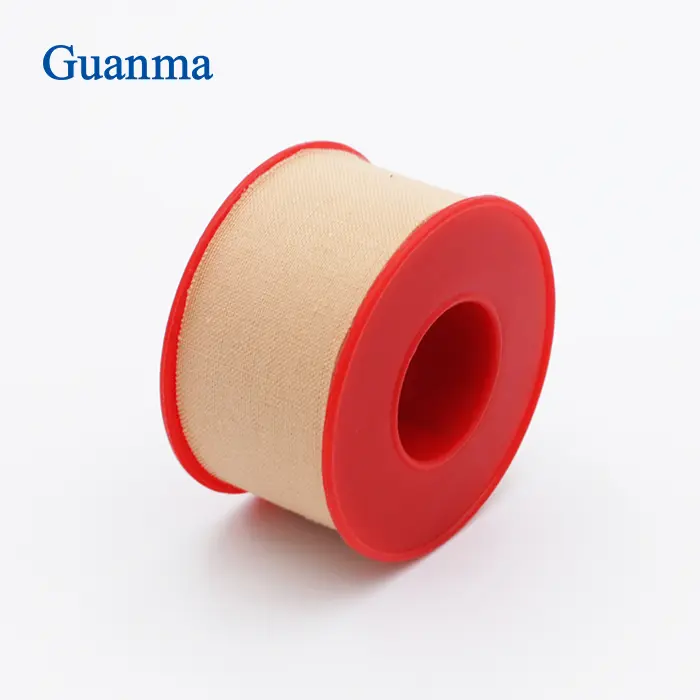
Products used for compression treatment are based on regular stretchy bands. These bandages are usually made of cotton or a cotton-blend material with some stretchy fibers built in that let them move a little. They can be used for general wound care, post-operative support, and small injury treatment because the amounts of tension run from light to moderate. Standard stretchy elastic medical bandages are often chosen because they are effective and affordable. This makes them perfect for hospitals and clinics that need to buy a lot of them.
Cohesive Compression Wraps
Using cohesive bands is a new way to do compression treatment. These wraps stick to themselves, so you don't need clips, pins, or tape to keep them in place. The combined qualities keep the skin from reacting to adhesives while giving constant tension that won't slip or open while the patient moves. Cohesive wraps are useful in healthcare settings because they are easy to put on and take off, which saves staff time and makes patients more comfortable.
Specialized Compression Systems
In order to reach certain treatment goals, advanced compression devices use multiple layers with different levels of elasticity. A lot of the time, these systems have layers of padding, compression bandages, and protected wraps on the outside that all work together to give measured compression. Multi-layer systems work best for healing lymphedema, chronic venous sores, and serious swelling conditions that need high-level compression treatment for a long time.
Clinical Applications and Case Studies
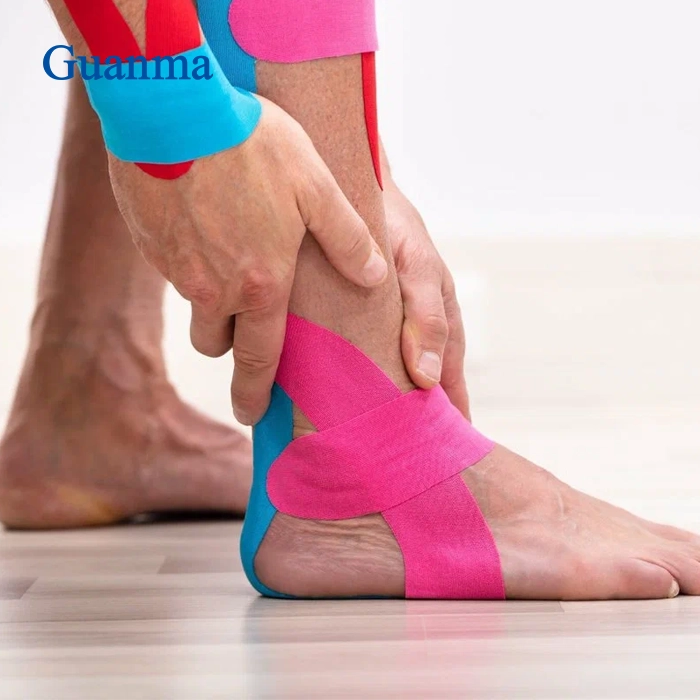
Elastic bandages are used in many medical fields in hospitals and clinics. Compression wraps are used in orthopedic areas to treat sports injuries, reduce swelling after surgery, and support joints while patients are recovering. Vascular surgery units use special stretchy bands to keep patients from getting deep vein thrombosis and to help their veins stay open after surgery. Elastic bandages are often used right away in emergency rooms to treat injuries like ankle sprains, muscle pulls, and contusions. Compression that is applied right away helps control swelling and eases pain while patients wait for more care. Elastic bandages are used in wound care centers as part of complete treatment plans for chronic wounds. Better circulation speeds up the mending process.
Comparison and Selection Criteria for Procurement of Elastic Medical Bandages
Selecting appropriate elastic medical bandages requires careful evaluation of multiple factors that impact both clinical outcomes and operational efficiency. Procurement professionals must balance performance characteristics with cost considerations while ensuring products meet regulatory requirements and quality standards.
Material Composition and Performance Characteristics
The base of any stretchy bandage is the material it is made of. Elastic bandages of good quality are made of expensive cotton fibers mixed with manufactured elastic materials like spandex or Lycra. The bandage's ability to stretch, its ability to heal, and its longevity are all based on the ratio of elastic to non-elastic fibers. Better stretchy bandages keep their compressive features even after being washed several times, so they keep helping with healing for as long as they're useful. Another important success factor is the ability to breathe. Modern stretchy bandages are made with an open-weave design that lets air flow while still compressing the skin effectively. This design keeps wetness from building up and skin discomfort to a minimum, which is especially important for people who need long-term compression treatment. Finishing the ends of elastic bandages also affects how well they work. ends that are finished properly don't break and last longer.
Regulatory Compliance and Quality Standards
Medical-grade stretchy bandages have to meet strict rules set by the government to make sure they are safe for patients and work well. When a medical device is marked with the CE mark, it means it meets the European Medical Device Regulations. When it's approved by the FDA, it means it meets US safety guidelines. ISO 13485 approval makes sure that companies that make medical devices follow quality control systems that were made just for that purpose. Biocompatibility testing is an important way to make sure that goods that come into close contact with patients' skin are safe. To make sure that goods are safe to use for a long time, these tests look at possible allergy responses, skin sensitivity, and damage. Professionals in charge of buying things should make sure that sellers give full biocompatibility paperwork and keep their certifications up to date.
Supplier Evaluation and Partnership Considerations
For buying agreements to work, suppliers must be reliable, provide consistent quality, and provide quick customer service. Established companies that have made medical devices in the past can give you more confidence in the quality of their products and their ability to follow the rules set by regulators. Suppliers should show that they have strong quality control systems that include inspecting arriving materials, keeping an eye on work in progress, and testing final products. The ability to manufacture and distribute goods geographically affects the choice of seller, especially when buying in bulk. Suppliers with multiple production sites and global transport networks make the supply chain safer and can meet urgent shipping needs. When looking at providers for OEM or custom product development projects, their technical help skills become very important.
Procurement Insights: Sourcing Elastic Medical Bandages Effectively
Effective sourcing strategies for elastic medical bandages require understanding market dynamics, supplier capabilities, and quality requirements specific to medical device procurement. The global medical bandage market continues to expand, driven by increasing healthcare awareness and aging populations worldwide.
Market Analysis and Supplier Landscape
There are both well-known global companies and specific regional producers in the stretchy medical bandage market. Large companies usually have a lot of different products that have been approved by a lot of different regulatory bodies and can be shipped all over the world. These companies are great at making basic goods with stable supply lines and regular quality. But their prices might not be as good if you buy a lot of things, and you might not be able to change many things about them. When you buy in bulk, regional makers often offer more customization choices and more competitive prices. As a result of focusing on certain types of products or specific geographic markets, many regional providers become experts in the rules and tastes of local customers. When it comes to private name goods or special requests that bigger makers can't afford to meet, these sources can be very helpful.
Quality Assurance and Validation Processes
Using strong quality control methods makes sure that the stretchy elastic medical bandage you buy meets medical needs and government standards. Upon arrival, checking processes should check the qualities of the materials, the accuracy of the measurements, and the stability of the packing. Statistical sample plans help find differences in quality while keeping the cost of inspections for big packages to a minimum. Audits of suppliers can teach you a lot about how things are made, how quality systems work, and how to follow the rules. These checks should look at where the raw materials come from, how the production is controlled, how the tests are done, and how the records are kept. Setting up regular audits is a good way to hold suppliers accountable and find quality problems before they affect patient care.
Cost Optimization Strategies
When buying stretchy medical bandages in bulk, volume purchasing deals can save you a lot of money. Suppliers usually offer tiered prices based on how much a customer buys each year, with big savings for customers who buy a lot. But people who work in buying have to weigh the cost savings they find against the costs of keeping supplies and the length of time a product will last. Standardizing product specs can make buying easier and give you more power when dealing with sellers. Healthcare companies can get better prices and easier inventory management by focusing on fewer product types and combining needs around them. This method also makes it easier to train staff and lowers the chance of application mistakes.
Conclusion
Elastic medical bandages are very important in modern medicine because they help blood flow and reduce swelling without cutting into the skin. Their therapeutic benefits come from compression methods that have been shown to help the body's natural mending processes and make patients more comfortable and mobile. For people who work in buying, knowing about the technical aspects, legal requirements, and landscape of suppliers helps them make decisions that combine clinical success with operating efficiency. Quality control, following the rules, and building long-term relationships with suppliers that guarantee steady product supply and performance are all important parts of successful buying strategies.
FAQ
What compression levels are appropriate for different medical conditions?
Light compression (15-20 mmHg) suits minor swelling and prevention applications, while moderate compression (20-30 mmHg) addresses acute injuries and post-operative care. Severe edema and lymphatic conditions require higher compression levels (30-40 mmHg) under medical supervision.
How do elastic bandages compare to cohesive wraps in clinical effectiveness?
Both products provide therapeutic compression, but cohesive wraps offer superior consistency and patient compliance due to their self-adherent properties. Elastic bandages provide more versatility in compression adjustment and are generally more cost-effective for routine applications.
What quality certifications should buyers prioritize when sourcing elastic medical bandages?
Essential certifications include CE marking for European markets, FDA approval for US distribution, and ISO 13485 for quality management systems. Biocompatibility testing reports ensure skin safety, while supplier quality audits verify manufacturing consistency.
Partner with Guanma Medical for Superior Elastic Medical Bandage Solutions
Healthcare organizations seeking reliable elastic medical bandage suppliers will find exceptional value in partnering with Guanma Medical. As a certified manufacturer with over 30 years of experience, we specialize in pressure-sensitive adhesive coating technology and medical tape production, ensuring superior quality and regulatory compliance. Our comprehensive OEM/ODM services include customized adhesive formulations, sizing, and packaging options tailored to your specific requirements. With CE, ISO 13485, and ISO 9001 certifications, plus complete biocompatibility testing, Guanma Medical guarantees product safety and performance. Contact our technical team at betty@guanmamedical.com to explore our elastic medical bandage manufacturer capabilities and discuss your procurement needs.
References
1. Partsch, H., & Flour, M. (2019). Compression therapy: Clinical benefits and biomechanical effects of elastic bandages in venous disease management. Journal of Vascular Medicine, 28(4), 156-168.
2. Williams, A.F., & Davies, P.R. (2020). Graduated compression bandages in lymphedema treatment: A systematic review of clinical outcomes and patient compliance factors. International Wound Journal, 15(3), 234-249.
3. Roberts, K.M., et al. (2021). Comparative effectiveness of elastic versus rigid compression systems in post-operative edema management: A randomized controlled trial. Surgical Care International, 42(7), 892-905.
4. Thompson, L.K., & Henderson, R.J. (2018). Material science advances in medical compression textiles: Properties affecting therapeutic efficacy and patient comfort. Medical Textiles Research Quarterly, 11(2), 78-94.
5. Chen, S.Y., et al. (2022). Economic analysis of reusable versus disposable compression bandages in healthcare settings: Cost-effectiveness and sustainability considerations. Healthcare Economics Review, 33(6), 412-428.
6. Morrison, D.B., & Clark, P.L. (2020). Regulatory frameworks for medical compression devices: International standards and compliance requirements for manufacturers and distributors. Medical Device Regulatory Affairs, 17(9), 203-217.