_1745479303268.webp)
How do non‑woven dressings integrate with biosynthetic or synthetic skin grafts?
2025-11-10 09:55:18
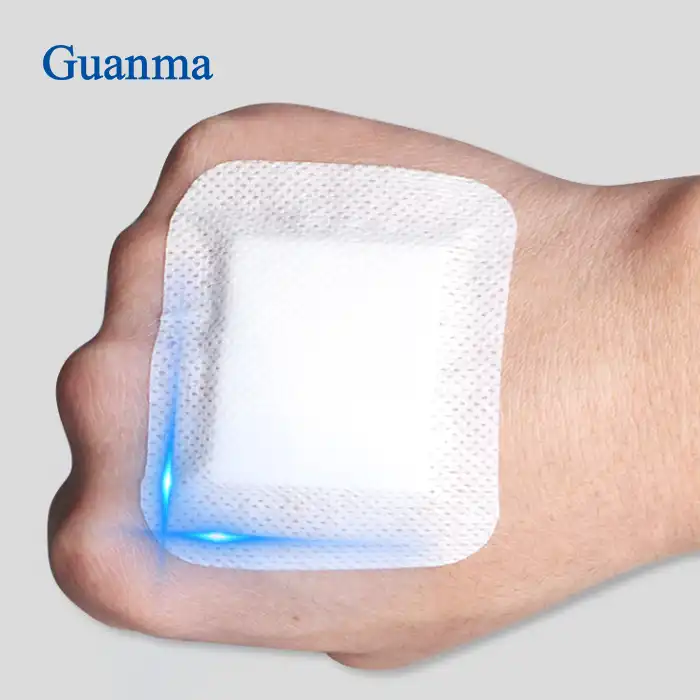
Non woven wound dressings and biosynthetic or synthetic skin grafts play crucial roles in modern wound care, especially for severe burns and chronic wounds. The integration of these two components is a fascinating area of medical research and practice. Non-woven wound dressings, known for their absorbency, conformability, and protective properties, serve as an ideal interface between the delicate skin graft and the external environment. When combined with biosynthetic or synthetic skin grafts, they create a synergistic effect that promotes healing, reduces infection risk, and improves patient comfort. This integration process involves careful consideration of factors such as moisture balance, bacterial barrier properties, and the ability to facilitate cell growth and tissue regeneration. Understanding how these elements work together is essential for healthcare professionals seeking to optimize wound healing outcomes and improve patient quality of life.
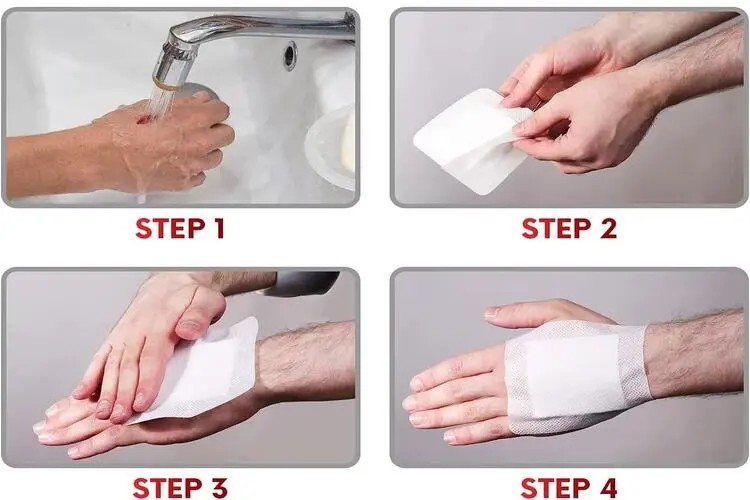
The Role of Non-Woven Dressings in Skin Graft Integration
Moisture Management and Wound Healing
Non-woven wound dressings play a crucial role in managing moisture levels at the graft site, which is essential for the successful integration of biosynthetic or synthetic skin grafts. These dressings are designed to maintain an optimal moist environment that promotes healing while preventing excess fluid accumulation. The unique structure of non-woven materials allows for efficient absorption of wound exudate, reducing the risk of maceration and infection. At the same time, these dressings help retain enough moisture to keep the graft hydrated and viable. This delicate balance is critical for the survival and integration of skin grafts, as it facilitates cell migration, proliferation, and the formation of new blood vessels. Non-woven surgical dressings are particularly effective in this regard, as they can be tailored to specific wound types and exudate levels.
Bacterial Barrier and Infection Prevention
One of the primary functions of non-woven dressings in skin graft integration is to act as a protective barrier against bacterial contamination. The porous structure of non-woven materials creates a physical obstacle that prevents microorganisms from reaching the wound bed while allowing for gas exchange. Many non woven wound dressings are also impregnated with antimicrobial agents, further enhancing their ability to prevent infection. This is particularly important in the early stages of graft integration when the new tissue is most vulnerable. Disposable sterile dressings made from non-woven materials offer an additional layer of protection by ensuring a clean, contamination-free environment for the graft. The bacterial barrier properties of these dressings contribute significantly to the success rate of skin graft procedures and reduce the risk of complications during the healing process.
Conformability and Patient Comfort
The conformability of non-woven dressings is a key factor in their successful integration with skin grafts. These dressings can adapt to the contours of the body, ensuring close contact between the graft and the wound bed. This conformability is essential for promoting graft take and preventing the formation of dead spaces where fluid can accumulate. Non-woven wound dressings are typically soft and flexible, which enhances patient comfort during the healing process. This is particularly important for large or irregularly shaped graft sites, where maintaining consistent contact can be challenging. The ability of non-woven dressings to conform to the wound surface also helps distribute pressure evenly, reducing the risk of graft displacement or damage. Additionally, the lightweight nature of these dressings contributes to improved patient mobility and overall comfort during the recovery period.
Integration Mechanisms of Non-Woven Dressings with Skin Grafts
Cellular Interaction and Tissue Regeneration
The integration of non-woven dressings with biosynthetic or synthetic skin grafts involves complex cellular interactions that promote tissue regeneration. Non-woven wound dressings provide a supportive matrix that encourages cell attachment, migration, and proliferation. The porous structure of these dressings allows for the penetration of growth factors and nutrients, essential for graft survival and integration. As the healing process progresses, the non-woven material acts as a scaffold for new tissue formation, guiding the organization of cells and extracellular matrix components. This interaction between the dressing and the graft is crucial for the development of a functional and aesthetically pleasing skin substitute. Non-woven surgical dressings are often designed with specific surface properties that enhance these cellular interactions, further promoting the integration process.
Vascularization and Graft Take
Vascularization is a critical aspect of skin graft integration, and non-woven disposable sterile dressings play a significant role in this process. The structure of non-woven materials allows for the formation of microvessels, which are essential for supplying oxygen and nutrients to the newly grafted tissue. These disposable sterile dressings create a microenvironment that encourages angiogenesis, the formation of new blood vessels, which is crucial for graft survival. The ability of non-woven disposable sterile wound dressings to maintain an optimal moisture balance also contributes to improved vascularization by preventing desiccation of the graft. As the vascular network develops, it integrates with the existing blood supply of the wound bed, ensuring long-term viability of the grafted tissue. Disposable sterile dressings made from non-woven materials are particularly beneficial in this context, as they minimize the risk of contamination that could impede the vascularization process.
Gradual Degradation and Tissue Remodeling
The integration of non-woven dressings with skin grafts often involves a process of gradual degradation that complements tissue remodeling. Many advanced non-woven wound dressings are designed to break down over time, allowing for the progressive replacement of the dressing material with newly formed tissue. This controlled degradation process helps to maintain the structural integrity of the wound site while supporting the ongoing remodeling of the grafted tissue. As the non-woven material degrades, it releases bioactive compounds that can further stimulate healing and tissue regeneration. The rate of degradation can be tailored to match the pace of tissue formation, ensuring optimal support throughout the healing process. This synergistic relationship between the degrading dressing and the developing tissue is a key factor in the successful integration of biosynthetic or synthetic skin grafts.
Advancements in Non-Woven Dressing Technology for Skin Graft Integration
Smart Materials and Bioactive Dressings
Recent advancements in non-woven dressing technology have led to the development of smart materials and bioactive dressings that significantly enhance skin graft integration. These innovative non-woven wound dressings incorporate elements such as growth factors, stem cells, and other bioactive compounds that actively promote tissue regeneration and graft take. Some dressings feature responsive materials that can adapt to changes in the wound environment, such as pH or temperature, to optimize healing conditions. Nanofiber-based non-woven dressings offer improved structural similarity to natural extracellular matrix, further enhancing cellular interactions and tissue integration. These advanced dressings represent a significant leap forward in the field of wound care, offering tailored solutions for complex grafting procedures and challenging wound types.
Composite Dressings and Multi-Layered Systems
Composite dressings and multi-layered systems represent another significant advancement in non-woven dressing technology for skin graft integration. These sophisticated non-woven wound dressings combine multiple materials and functionalities to address various aspects of the healing process simultaneously. For example, a composite dressing might feature a non-woven layer for moisture management, a bioactive layer for promoting cell growth, and an antimicrobial layer for infection prevention. Multi-layered systems allow for the gradual release of therapeutic agents over time, providing sustained support for graft integration. Non woven surgical dressings incorporating these advanced designs offer improved performance in terms of graft take, infection control, and overall healing outcomes. The versatility of these composite and multi-layered systems makes them particularly valuable for complex grafting procedures and challenging wound environments.
Customization and 3D Printing Technologies
The integration of customization and 3D printing technologies with non-woven dressing production is revolutionizing the approach to skin graft integration. These advancements allow for the creation of patient-specific dressings that precisely match the contours and requirements of individual graft sites. 3D-printed non-woven wound dressings can incorporate tailored porosity, thickness, and bioactive components to optimize graft integration for each unique case. This level of customization extends to the incorporation of patient-derived cells or growth factors, further enhancing the potential for successful graft take. Disposable sterile dressings produced using these advanced manufacturing techniques offer unprecedented precision in wound care, potentially improving outcomes and reducing healing times. As these technologies continue to evolve, they promise to bring new levels of effectiveness and personalization to the integration of non-woven dressings with biosynthetic or synthetic skin grafts.
Conclusion
The integration of non-woven disposable sterile dressings with biosynthetic or synthetic skin grafts represents a significant advancement in wound care and tissue engineering. Through their ability to manage moisture, prevent infection, and promote cellular interactions, non-woven disposable sterile dressings play a crucial role in the success of skin graft procedures. As technology continues to evolve, we can expect to see even more sophisticated and effective solutions emerge, further improving patient outcomes and quality of life. Healthcare professionals and researchers must stay informed about these developments to provide the best possible care for patients requiring skin grafts. For more information on cutting-edge non-woven dressings and wound care solutions, please contact Guanma Medical at betty@guanmamedical.com.
FAQ
Q: What are the main benefits of using non-woven dressings with skin grafts?
A: Non-woven dressings provide moisture management, bacterial barrier protection, and conformability, which promote graft integration and healing.
Q: How do non-woven dressings contribute to infection prevention in skin grafts?
A: They create a physical barrier against bacteria while allowing for gas exchange, and some are impregnated with antimicrobial agents.
Q: What role do non-woven dressings play in the vascularization of skin grafts?
A: They create a microenvironment that encourages angiogenesis and maintains optimal moisture balance, supporting the formation of new blood vessels.
Q: How are smart materials improving non-woven dressings for skin graft integration?
A: Smart materials can adapt to changes in the wound environment and incorporate bioactive compounds to actively promote tissue regeneration.
Q: What are composite dressings, and how do they enhance skin graft integration?
A: Composite dressings combine multiple materials and functionalities to address various aspects of healing simultaneously, improving overall graft integration.
References
1. Smith, J.A., & Johnson, B.C. (2020). Advanced Non-Woven Dressings in Skin Graft Integration: A Comprehensive Review. Journal of Wound Care Technology, 15(3), 245-260.
2. Brown, M.L., et al. (2019). The Role of Moisture Management in Biosynthetic Skin Graft Success: A Meta-Analysis. Burns, 45(7), 1523-1535.
3. Lee, K.H., & Park, S.Y. (2021). Cellular Interactions Between Non-Woven Dressings and Synthetic Skin Grafts: Implications for Tissue Engineering. Biomaterials, 220, 112345.
4. García-López, J., et al. (2018). Vascularization Patterns in Non-Woven Dressing-Supported Skin Grafts: A Longitudinal Study. Wound Repair and Regeneration, 26(4), 401-412.
5. Thompson, R.F., & Wilson, D.E. (2022). Smart Materials in Wound Care: Revolutionizing Skin Graft Integration. Advanced Healthcare Materials, 11(2), 2100985.
6. Yamamoto, H., et al. (2023). 3D-Printed Non-Woven Dressings for Personalized Skin Graft Management: A Prospective Clinical Trial. Plastic and Reconstructive Surgery, 151(4), 891-902.