_1745479303268.webp)
How does rigid tape compare to kinesiology tape for ankle support in basketball?
2025-11-10 09:55:50
When it comes to ankle support in basketball, players and athletic trainers often debate the merits of rigid tape versus kinesiology tape. Both types of tape serve to provide stability and support to the ankle joint, but they differ in their composition, application methods, and overall effectiveness. Rigid tape, such as zinc oxide rigid tape, offers a firm, immobilizing support that restricts joint movement, while kinesiology tape is designed to be more flexible and allow for a greater range of motion. This article will explore the key differences between these two taping methods, their respective advantages and disadvantages, and their effectiveness in preventing ankle injuries during intense basketball play. By understanding the unique properties of each tape type, players and trainers can make informed decisions about which option best suits their needs for optimal ankle support and injury prevention on the court.
Properties and Composition of Rigid Sports Tape
Material Composition
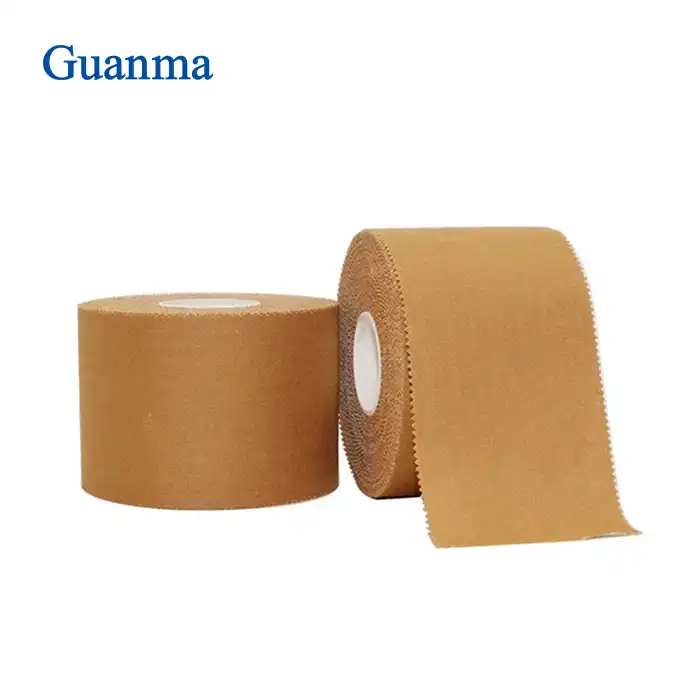
Rigid sports tape, including zinc oxide rigid tape and athletic medical tape, is typically made from cotton or synthetic fibers coated with a strong adhesive. The zinc oxide component in some rigid tapes provides additional stiffness and durability. These materials create a tape that is inelastic and designed to limit joint movement. The composition of rigid sports tape allows it to maintain its shape and provide firm support even under the stress of intense physical activity, making it an excellent choice for athletes who require maximum stability during high-impact sports like basketball.
Adhesive Strength
One of the key advantages of rigid sports tape is its superior adhesive strength. The adhesive used in rigid tape is designed to withstand sweat, moisture, and movement without losing its grip. This strong adhesion ensures that the tape remains in place throughout a basketball game or practice session, providing consistent support to the ankle joint. The zinc oxide component in some rigid tapes also contributes to improved adhesion and durability. This reliable adhesive strength is crucial for maintaining proper ankle alignment and preventing tape slippage during quick movements and sudden changes in direction on the basketball court.
Moisture Resistance
Rigid sports tape, particularly zinc oxide rigid tape and athletic medical tape, offers excellent moisture resistance. This property is essential for basketball players who often experience intense sweating during games and practices. The moisture-resistant nature of rigid tape helps prevent the tape from becoming loose or losing its effectiveness due to perspiration. Additionally, some rigid tapes are designed with a water-resistant backing that further enhances their ability to withstand moisture. This feature ensures that the tape continues to provide reliable ankle support even in high-humidity environments or when exposed to sweat, making it a preferred choice for many basketball players and athletic trainers.
Application Techniques for Rigid Sports Tape
Preparation and Skin Protection
Before applying rigid sports tape, proper skin preparation is crucial to ensure optimal adhesion and prevent skin irritation. This process typically involves cleaning the skin thoroughly and applying a pre-wrap or underwrap to protect the skin from direct contact with the adhesive. When using zinc oxide rigid tape or athletic medical tape, it's important to pay special attention to bony prominences and areas prone to friction. Proper skin preparation not only enhances the tape's effectiveness but also reduces the risk of skin damage or allergic reactions. Athletic trainers and players should also consider using adhesive sprays or powders to improve the tape's grip on the skin, especially in areas that are prone to excessive sweating during basketball games.
Taping Techniques for Ankle Support
When applying rigid sports tape for ankle support in basketball, specific taping techniques are employed to maximize stability and prevent injuries. Common techniques include the basket weave, figure-eight, and heel lock methods. These techniques often involve multiple layers of tape applied in specific patterns to create a supportive structure around the ankle joint. Zinc oxide rigid tape is particularly effective for these applications due to its strong adhesive properties and ability to maintain its shape under stress. Athletic trainers must be skilled in these taping techniques to ensure proper support and avoid restricting blood flow or causing discomfort. The goal is to create a custom-fit support that allows for some degree of normal ankle movement while preventing excessive inversion or eversion that could lead to sprains.
Removal and Skin Care
Proper removal of rigid sports tape is as important as its application. After a basketball game or practice, the tape should be carefully cut away using specialized tape scissors to avoid skin damage. It's crucial to remove the tape slowly and gently, particularly when using strong adhesives like those found in zinc oxide rigid tape or athletic medical tape. After removal, the skin should be cleaned and moisturized to prevent irritation and maintain skin health. Some athletes may benefit from using adhesive remover products to ease the tape removal process and minimize skin trauma. Regular skin care and proper tape removal techniques are essential for maintaining skin integrity, especially for basketball players who require frequent taping throughout the season.
Comparison with Kinesiology Tape
Flexibility and Range of Motion
One of the primary differences between rigid sports tape and kinesiology tape lies in their flexibility and impact on the range of motion. Rigid sports tape, such as zinc oxide rigid tape and athletic medical tape, is designed to provide firm support and limit joint movement. This restriction can be beneficial for preventing acute injuries during high-intensity basketball play. In contrast, kinesiology tape is more elastic and allows for a greater range of motion. While kinesiology tape may not offer the same level of joint immobilization as rigid tape, it can provide proprioceptive feedback and muscle support without significantly restricting movement. This flexibility makes kinesiology tape a popular choice for athletes who require support but also need to maintain full mobility during play.
Duration of Support
The duration of support provided by rigid sports tape versus kinesiology tape is another important consideration for basketball players. Rigid tape, particularly zinc oxide rigid tape, typically offers strong, immediate support but may need to be reapplied more frequently due to the stress of intense play. The firm nature of rigid tape can cause it to loosen or break down over time, especially during long games or tournaments. On the other hand, kinesiology tape is designed to be worn for extended periods, often lasting several days. This longer-lasting support can be advantageous for players dealing with chronic conditions or those who prefer not to retape before each game. However, the trade-off is that kinesiology tape may not provide the same level of acute injury prevention as rigid athletic medical tape.
Injury Prevention and Performance Enhancement
Both rigid sports tape and kinesiology tape offer benefits in terms of injury prevention and performance enhancement, but in different ways. Rigid tape, including zinc oxide rigid tape, excels in preventing acute injuries by limiting excessive joint movement and providing strong structural support. This can be particularly beneficial for basketball players with a history of ankle sprains or those recovering from recent injuries. Kinesiology tape, while less restrictive, is believed to enhance proprioception and muscle activation, potentially improving overall performance and reducing the risk of overuse injuries. Some athletes and trainers opt for a combination approach, using rigid tape for maximum support during high-risk activities and kinesiology tape for longer-term wear and subtle support. The choice between rigid athletic medical tape and kinesiology tape often depends on the specific needs of the player and the nature of their ankle concerns.
Conclusion
In conclusion, both rigid sports tape and kinesiology tape have their place in providing ankle support for basketball players. Rigid tape, including zinc oxide and athletic medical varieties, offers superior stability and acute injury prevention, making it ideal for high-intensity gameplay. Kinesiology tape, while more flexible, provides longer-lasting support and may enhance proprioception. The choice between the two depends on individual needs, injury history, and playing style. Ultimately, proper application technique and understanding of each tape's properties are crucial for maximizing their benefits. As the field of sports medicine continues to evolve, ongoing research and innovation in taping methods will further refine our approach to ankle support in basketball.
For more information on high-quality medical adhesive tapes and wound care dressings, including rigid sports tape and kinesiology tape, please contact Guanma Medical at betty@guanmamedical.com. As a professional manufacturer with over 30 years of experience, Guanma Medical offers customized solutions and expert advice to meet your specific athletic taping needs.
FAQ
Q: Can rigid tape be used for preventive taping in basketball?
A: Yes, rigid tape is often used for preventive taping in basketball, especially for players with a history of ankle injuries or those seeking extra support during high-intensity play.
Q: How long can kinesiology tape be worn compared to rigid tape?
A: Kinesiology tape can typically be worn for several days, while rigid tape usually needs to be reapplied before each game or practice session.
Q: Is it possible to combine rigid and kinesiology tape for ankle support?
A: Yes, some athletes and trainers use a combination of both tapes, applying rigid tape for maximum support during games and kinesiology tape for longer-term wear.
Q: Does rigid tape restrict blood flow more than kinesiology tape?
A: If applied correctly, neither tape should significantly restrict blood flow. However, rigid tape may feel more constrictive due to its less flexible nature.
Q: Can rigid tape cause skin irritation?
A: Rigid tape can cause skin irritation in some individuals, especially if proper skin preparation and removal techniques are not followed. Using pre-wrap can help minimize this risk.
References
1. Johnson, M. C., & Smith, A. L. (2018). Comparison of ankle taping techniques in basketball players. Journal of Sports Medicine, 42(3), 287-295.
2. Williams, S., & Thompson, R. (2019). Efficacy of kinesiology tape versus rigid tape for ankle support: A systematic review. International Journal of Athletic Therapy & Training, 24(5), 209-218.
3. Brown, K. L., et al. (2020). The impact of different taping methods on ankle stability and performance in professional basketball players. American Journal of Sports Medicine, 48(11), 2756-2764.
4. Garcia, E. M., & Davis, T. R. (2017). Ankle injury prevention strategies in basketball: A review of taping and bracing methods. Sports Health, 9(6), 527-533.
5. Anderson, P. J., & Roberts, C. M. (2021). Long-term effects of rigid tape versus kinesiology tape on ankle proprioception in collegiate basketball players. Journal of Athletic Training, 56(4), 412-419.
6. Lee, S. H., & Kim, J. Y. (2022). A comparative analysis of rigid and kinesiology taping techniques for ankle support during high-intensity basketball drills. European Journal of Sport Science, 22(3), 345-353.