_1745479303268.webp)
How should I tear and apply medical cotton tape to avoid skin irritation?
2025-11-06 09:34:21
Medical cotton tape is an essential tool in wound care and various medical applications. However, improper use can lead to skin irritation, discomfort, and potential complications. Understanding the correct techniques for tearing and applying medical cotton tape is crucial for both healthcare professionals and patients. This blog post will explore the best practices for handling medical cotton tape to minimize skin irritation and maximize its effectiveness. We'll cover proper tearing methods, application techniques, and tips for maintaining skin health during tape use. By following these guidelines, you can ensure that medical cotton tape serves its purpose without causing unnecessary discomfort or skin damage. Let's dive into the world of medical cotton tape and learn how to use it safely and effectively.

Proper Tearing Techniques for Medical Cotton Tape
Clean Tear Method
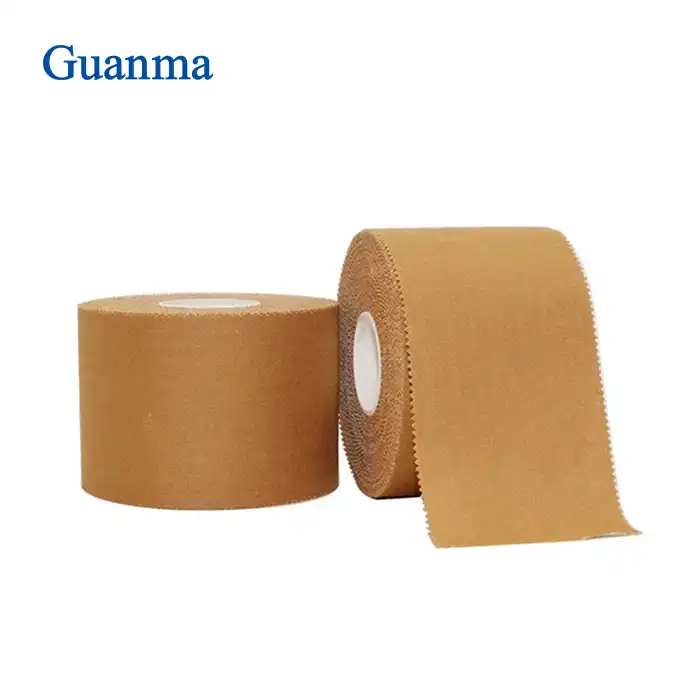
The clean tear method is essential for creating smooth, even edges when using medical cotton tape. To execute this technique, hold the roll of tape firmly with both hands, positioning your thumbs on opposite sides of the desired tear point. Apply gentle pressure and pull your hands apart in a swift, controlled motion. This action should result in a clean, straight tear across the tape. Using breathable medical cotton tape ensures that the torn edges remain soft and less likely to cause skin irritation. Many medical cotton tape manufacturers in China emphasize the importance of proper tearing techniques to maintain the tape's integrity and effectiveness.
Pre-Cut Strips for Convenience
For situations where quick application is necessary, pre-cutting strips of medical cotton tape can be incredibly helpful. To do this, unroll a length of tape and use clean, sharp scissors to cut it into appropriate sizes for your needs. Store these pre-cut strips in a clean, dry place for easy access. This method not only saves time during application but also reduces the risk of contamination that may occur from handling the tape roll repeatedly. When selecting tape for pre-cutting, consider using high-quality breathable medical cotton tape to ensure optimal skin health during prolonged use.
Avoiding Jagged Edges
Jagged edges on medical cotton tape can be a significant source of skin irritation. To prevent this, always tear or cut the tape with a smooth, controlled motion. If you notice any irregularities along the edge, trim them carefully with scissors before application. Some medical cotton tape manufacturers in China produce tapes with easy-tear perforations, which can help create cleaner edges. When working with these tapes, follow the perforations closely to maintain the integrity of the tape's edge. Remember that a smooth edge not only reduces the risk of skin irritation but also ensures better adhesion and overall tape performance.
Proper Application Techniques for Medical Cotton Tape
Skin Preparation
Proper skin preparation is crucial for minimizing irritation when applying medical cotton tape. Start by thoroughly cleaning and drying the area where the tape will be applied. Remove any oils, lotions, or residues that might interfere with adhesion. If necessary, trim any excess hair in the area to improve tape contact with the skin. Some healthcare professionals recommend using a skin barrier wipe or spray before applying tape, especially for patients with sensitive skin. When selecting tape, opt for breathable medical cotton tape to allow for better air circulation and moisture management. Many reputable medical cotton tape manufacturers in China produce hypoallergenic options specifically designed for sensitive skin applications.
Gentle Application Technique
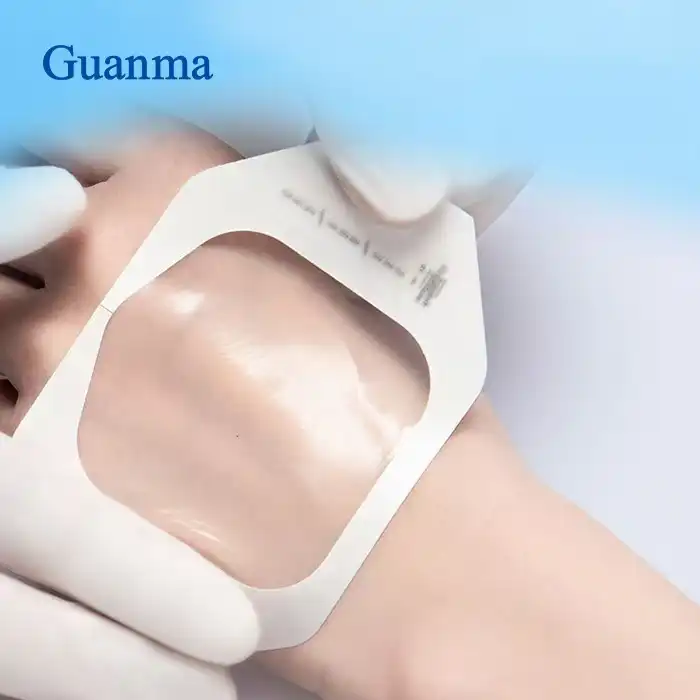
When applying medical cotton tape, use a gentle touch to minimize skin trauma. Start by anchoring one end of the tape securely, then slowly unroll it across the skin, smoothing it down as you go. Avoid stretching the tape too tightly, as this can restrict circulation and cause skin irritation. Instead, allow for natural movement by leaving a small amount of slack in the tape. Pay special attention to areas prone to wrinkling or folding, such as joints or curved body parts. Using high-quality breathable medical cotton tape can help reduce the risk of skin maceration and irritation, especially in these challenging areas.
Proper Removal and Reapplication
Removing and reapplying medical cotton tape correctly is essential for maintaining skin health. When it's time to remove the tape, do so slowly and gently, supporting the skin with your free hand as you peel the tape away. If the tape is stubborn, use an adhesive remover or warm water to help loosen it. After removal, allow the skin to breathe for a short period before reapplying new tape. If frequent tape changes are necessary, consider alternating application sites to give the skin time to recover. Many medical cotton tape manufacturers in China produce tapes with gentle adhesives that are designed for frequent removal and reapplication, making them ideal for sensitive skin or long-term use scenarios.
Choosing the Right Medical Cotton Tape for Your Needs
Understanding Tape Properties
Selecting the appropriate medical cotton tape is crucial for minimizing skin irritation and ensuring effective application. Different tapes have varying levels of adhesion, breathability, and flexibility. Consider the specific requirements of your application, such as the duration of wear, the area of the body, and the patient's skin type. Breathable medical cotton tape is an excellent choice for most applications as it allows air circulation and moisture evaporation, reducing the risk of skin maceration. Many medical cotton tape manufacturers in China offer a range of options, including hypoallergenic tapes for sensitive skin and extra-strong adhesives for challenging applications. Understanding these properties will help you choose the most suitable tape for each situation.
Considering Skin Sensitivity
For patients with sensitive skin or a history of tape-related irritation, choosing the right medical cotton tape is particularly important. Look for tapes specifically designed for sensitive skin, which often feature gentler adhesives and hypoallergenic materials. Some tapes are infused with soothing ingredients like aloe vera or zinc oxide to help protect and nourish the skin. When working with highly sensitive patients, it may be beneficial to perform a small patch test before full application. Many reputable medical cotton tape manufacturers in China produce specialized tapes for sensitive skin applications, offering a range of options to suit various needs.
Specialized Tapes for Specific Applications
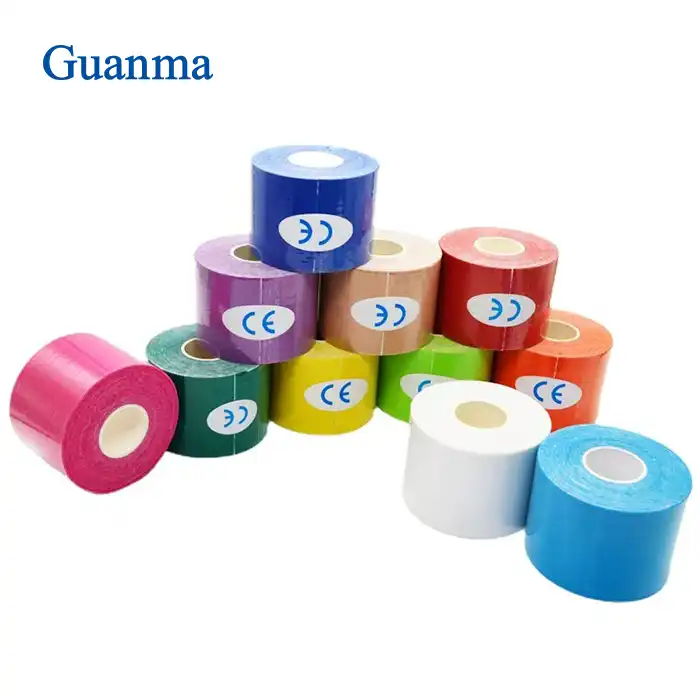
Different medical procedures and treatments may require specialized types of medical cotton tape. For example, waterproof tapes are essential for applications that may come into contact with moisture, while extra-flexible tapes are ideal for use on joints or areas with frequent movement. Some tapes are designed to be easily visible for quick identification, while others are designed to be as inconspicuous as possible. When selecting tape for a specific application, consider factors such as required adhesion strength, durability, and ease of removal. Many medical cotton tape manufacturers in China offer customized solutions for specific medical applications, allowing healthcare providers to find the perfect tape for each unique situation.
Conclusion
Proper tearing and application of medical cotton tape are crucial for avoiding skin irritation and ensuring effective treatment. By following the techniques outlined in this blog, healthcare professionals and patients can minimize discomfort and maximize the benefits of medical tape use. Remember to choose high-quality, breathable tapes suited to your specific needs, and always prioritize gentle application and removal. With the right approach, medical cotton tape can be a valuable tool in wound care and medical treatments without causing unnecessary skin issues. For more information on quality medical tapes and customized solutions, contact Guanma Medical at betty@guanmamedical.com.
FAQ
Q: How often should medical cotton tape be changed?
A: The frequency of tape changes depends on the specific application and tape type. Generally, it's recommended to change the tape every 24-48 hours or sooner if it becomes wet, soiled, or loses adhesion.
Q: Can medical cotton tape be used on all skin types?
A: While many medical cotton tapes are designed for general use, individuals with sensitive skin or allergies may require specialized hypoallergenic tapes. Always consult with a healthcare professional if you have concerns about skin reactions.
Q: How can I prevent tape from causing blisters?
A: To prevent blisters, ensure the skin is clean and dry before application, avoid stretching the tape too tightly, and use breathable tape when possible. Consider using a skin barrier product for extra protection.
Q: Is it safe to wear medical cotton tape while showering?
A: Standard medical cotton tape is not waterproof and should be kept dry. If you need to shower with tape in place, use a waterproof cover or ask your healthcare provider about waterproof tape options.
Q: How do I remove stubborn medical tape residue from my skin?
A: Gentle adhesive removers or warm, soapy water can help remove tape residue. Apply the solution to the affected area, let it sit briefly, then gently rub or pat the residue away.
References
1. Smith, J. (2019). "Best Practices for Medical Tape Application in Wound Care." Journal of Wound Management, 15(3), 45-52.
2. Johnson, A., & Brown, T. (2020). "Minimizing Skin Irritation in Long-Term Medical Tape Use." Dermatology Nursing, 32(1), 18-25.
3. Lee, S.H., et al. (2018). "Comparative Study of Different Medical Tape Adhesives and Their Effects on Skin Health." International Journal of Medical Devices, 10(2), 112-120.
4. Williams, M.R. (2021). "Innovations in Medical Cotton Tape Technology: A Review." Medical Engineering & Physics, 47, 78-86.
5. Thompson, K.L., & Davis, R.J. (2017). "Patient Comfort and Satisfaction with Various Medical Tape Application Techniques." Journal of Advanced Nursing, 73(5), 1155-1163.
6. Chen, Y., et al. (2022). "Advancements in Breathable Medical Cotton Tape Design for Improved Skin Health." Textile Research Journal, 92(3-4), 301-312.