_1745479303268.webp)
Hypoallergenic Tape for Elderly Skin: Gentle Care Tips
2026-03-31 08:47:25
You need medical goods that prioritize the safety and comfort of older people's skin. Hypoallergenic tape is a big step forward in wound care for adults because it sticks gently to skin that is sensitive or older. These new sticky solutions keep medical devices and wound bandages in place while lowering the risk of allergic reactions, unlike medical bands that can scratch or hurt the skin. People who work in health care are becoming more and more aware that the tape they use can greatly impact the comfort, health, and speed of healing of older patients.
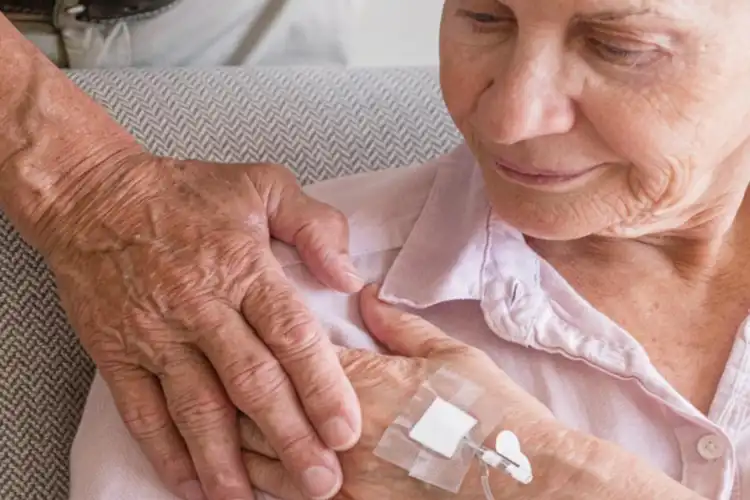
Understanding Hypoallergenic Tape and Its Benefits for Elderly Skin
These days, hypoallergenic medical tape is an important tool for taking care of older people because it helps with the unique issues that come up with skin diseases that get worse with age. People over 65 are more likely to have allergic reactions or damage from adhesives because their skin is less flexible, retains less moisture, and is a weaker barrier.
Advanced Material Composition for Sensitive Skin
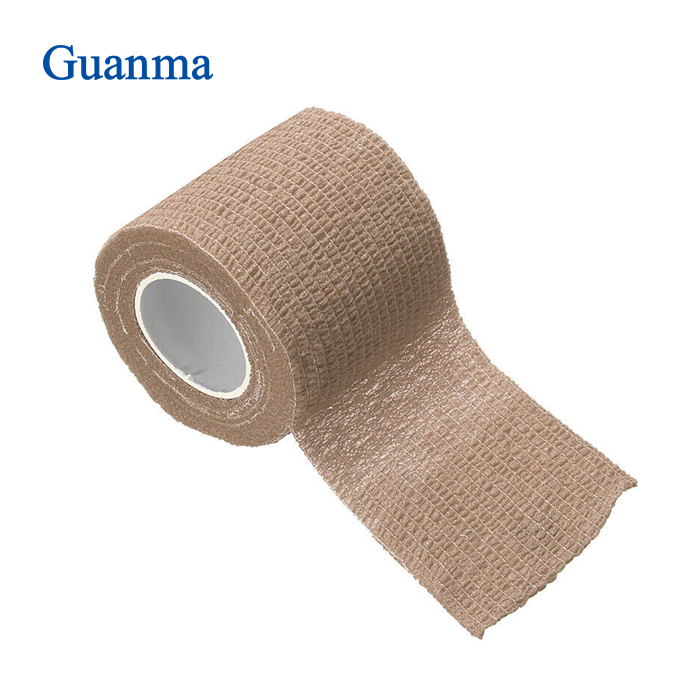
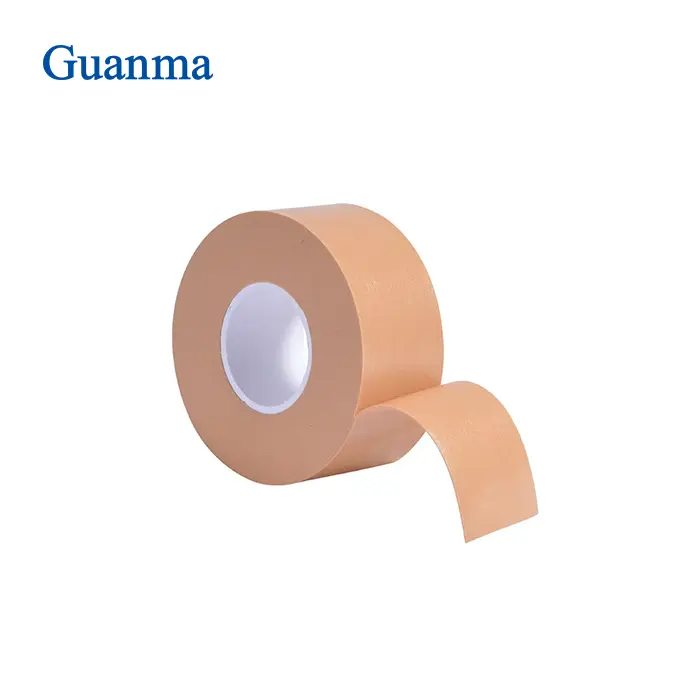
It is important to pick the right glue and materials for sensitive tape so that it works well. Things are stuck together strongly but gently with medical-grade acrylic glue, and the backing is made of synthetic cloth and soft paper surfaces to keep it flexible and airy. This tape is made of these materials and naturally molds to your skin. It doesn't hurt or stress your skin when you put it on or take it off.
Clinical Benefits in Geriatric Care Settings
Health care workers say that the right hypoallergenic tapes can make a big difference in how well patients feel and how quickly their wounds heal. Atopic dermatitis, skin tears, and sticky remains are less likely to happen. This benefit means that overall care is better and there are fewer treatment problems. These things allow more air to flow through the skin, which helps maintain the skin's natural moisture balance. This function stops maceration and creates the best conditions for cuts to heal.
Long-term Skin Health Protection
Sticky tapes that you use every day can hurt your skin over time. This can be particularly concerning for elderly patients who frequently need to change their dressings. Some choices are less likely to cause this problem because they are hypoallergenic and simple to take off. They also have biocompatible glue chemistry that works with your skin's natural defenses and stays on well while you wear them.
How Hypoallergenic Tape Works: Components and Mechanisms?
Healthcare workers can make wise choices about what and how to use hypoallergenic tape if they know how it's made. These items use advanced technology to find the best balance between being gentle on the skin and strong enough to adhere to it.
Adhesive Technology and Skin Compatibility
Acrylic adhesives made for medical use are used in modern sensitive tapes to connect skin proteins at the molecular level without causing harsh chemical reactions. With this technology, you can connect safely without going too deep into the skin. This technique makes it less likely that you will hurt yourself when you take it off. The recipe for the glue also has moisture-management features that keep it from breaking down when it gets wet. The adhesive also keeps working well even after being used for a long time.
Substrate Materials and Flexibility Features
Good hypoallergenic tapes are backed with special papers, flexible synthetic fabrics, and films that are made to be strong and flexible at the same time. These things don't pull on the skin, so they stop pulling forces that could tear or hurt the skin. The tape's breathability, moisture absorption, and long-term comfort depend on the material.
Water-Resistant Properties and Hygiene Considerations
A lot of hypoallergenic patches don't let water through, so the skin stays dry and protects cuts while they're washed or touched with water for a short time. This dual purpose is very helpful in elder care settings that need to clean things often to meet cleanliness standards without affecting the wound protection or the strength of the tape binding.
Choosing the Best Hypoallergenic Tape for Elderly Skin: A Decision Support Guide
When choosing the right hypoallergenic tape, consider the specific needs of older people and healthcare facilities. The people who work in buying have to make sure that goods are always accessible and that rules are followed while also balancing clinical efficiency and cost, which includes considering the specific needs of elderly patients, such as skin sensitivity and the potential for skin tears.
Essential Selection Criteria for Healthcare Facilities
Before you can choose the right tape, you need to know what each patient group needs and what the clinical application needs, especially when selecting Hypoallergenic Tape. The right amount of adhesive strength for the job, how gentle the product is on the skin based on clinical testing, how well it breathes so that it stays comfortable for a long time, and how much it costs overall, taking into account things like lower pain scores and higher patient satisfaction scores, are some of the things that are looked at.
Comparative Analysis of Leading Products
Health care facilities can benefit from thorough product reviews that look at how well different brands and lines of products work. Well-known companies manufacture various types of medical tape, each serving different purposes. There are weaker tapes that can be used to keep medical devices in place or support wound closure strips, and stronger tapes that can be used to change bandages more often. Clinical studies and user comments from similar healthcare situations can teach us a lot about how to set real-life performance standards and how much a patient can handle.
Quality Certifications and Regulatory Compliance
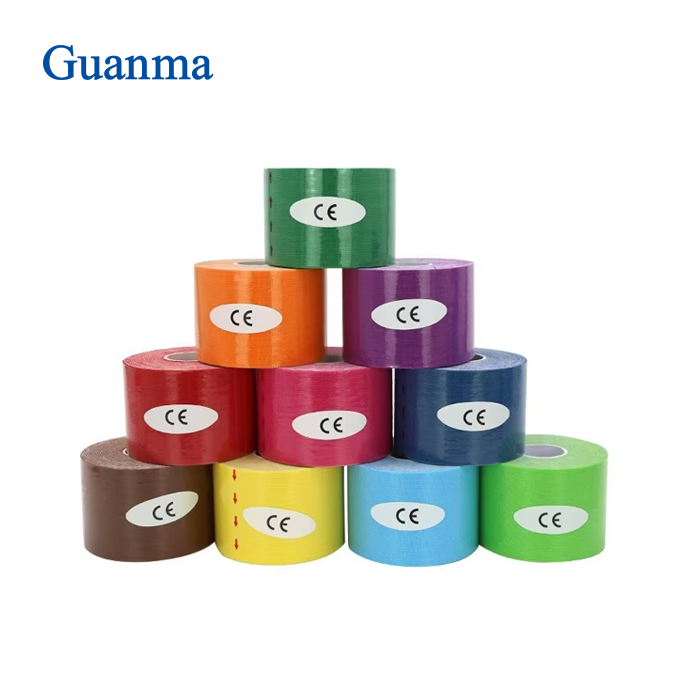
When pros go shopping, the best goods are the ones that meet foreign quality standards, like CE certification (a mark indicating conformity with health, safety, and environmental protection standards in the European Union), ISO 13485 compliance (a standard for quality management systems specific to medical devices), and, if needed, FDA approval (authorization from the U.S. Food and Drug Administration for safety and effectiveness). They make sure that the goods are always of high quality, that biocompatibility tests are done, and that companies that make medical devices follow the rules for safety. This accreditation keeps patients and healthcare workers from having to deal with possible legal problems that could come up because of how well the product works or how safe it is.
Practical Tips for Using Hypoallergenic Tape on Elderly Skin
In senior care, it's vital to know how to apply and remove hypoallergenic tape to keep patients calm and healthy. By teaching healthcare workers the best ways to apply the glue, the quality of the job is always the same, and there is less chance of skin damage or other problems.
Skin Preparation and Application Best Practices
For the tape to stick well, you need to carefully check and prepare your skin first. Doctors and nurses should check the area with tape to see if it is already sore, wet, or otherwise unhealthy. Cleaning gently with the right products gets rid of dirt and extra water on the surface that could stop adhesives from sticking. Giving it enough time to dry also keeps water from getting stuck, which could lead to dampness or improper bonding.
Safe Removal Techniques and Trauma Prevention
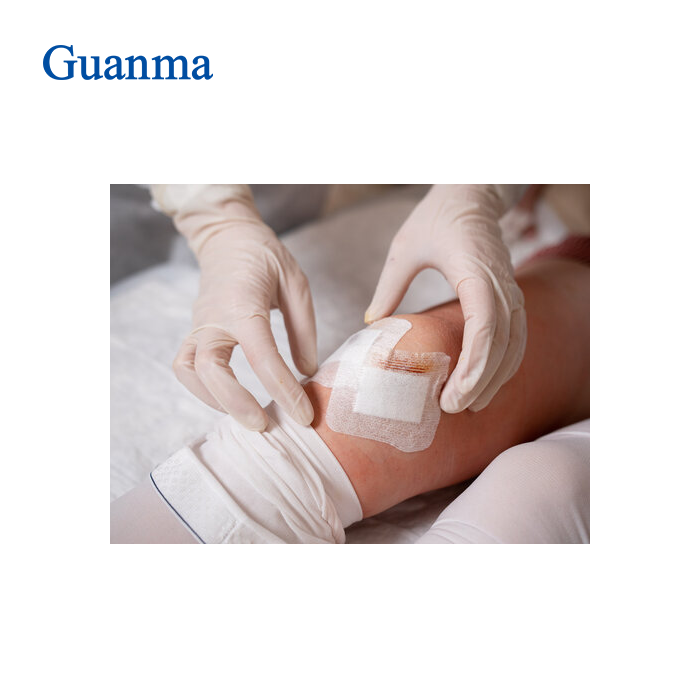
To avoid injury, take your time removing hypoallergenic tape. Hold the skin with one hand and peel the tape back at a low angle parallel to the skin's surface. This will help you remove the tape slowly and carefully. You can get rid of sticky glue residue without using too much force, which could hurt the skin of older people who are already weak, by using warm water or a product made just for that purpose.
Storage and Handling Considerations for Procurement Teams
Procurement teams must take care in storing and handling products to maintain their quality from the factory to the bedroom. Hypoallergenic tapes should be kept in climate-controlled spaces, out of direct sunlight, extreme temperatures, and places with high or low humidity, because these things can make them less likely to stick. Stock rotation makes sure that old items are used up before they go rotten, and careful handling keeps packages from getting broken in ways that could compromise their purity or sterility.
Procurement Strategies for Hypoallergenic Tape: Sourcing, Pricing, and Delivery
If you want to buy hypoallergenic tape carefully, you should get to know reliable suppliers who know what the healthcare industry needs and can bring steady product quality and helpful customer service. Managing costs and making sure quality is met for buying methods to work well and the supply chain to run smoothly, which requires a thorough assessment of supplier capabilities and ongoing communication to address any issues that may arise.
Supplier Evaluation and Partnership Development
In order for buying partnerships to work, it is important to carefully check out potential sellers' manufacturing skills, quality control systems, and records of following the law. Suppliers should be able to show that they can regularly make the right amount of goods. They should also have the right certifications, like ISO 13485 and any other government approvals that are needed, and quality control systems that make sure that each batch is the same. For healthcare groups or patient groups with specific needs, suppliers who offer technical help, product training, and the ability to make goods fit their needs are also more useful, as they can enhance the overall effectiveness of the products and ensure that they meet the unique requirements of the patients they serve.
Cost Management and Value Optimization
Cost management works by looking at more than just the price of the item at first. It also considers the total cost of ownership, which is based on product performance and customer satisfaction. Businesses can save a lot of money and make sure they always have the goods they need by buying in bulk. But businesses should be careful that the volume they offer doesn't go over their storage capacity and product shelf life. You can test a product before buying a lot. This makes it less likely that the product will need expensive changes or not work properly.
When you place a big order, Zhejiang Guanma Medical offers good prices and makes sure that high-quality standards are met throughout the whole production process. With the CE, ISO 13485, and FDA approvals we have, we can make sure that all legal needs are met in all markets. With unique widths and lengths that can be changed from 1.25 cm to 10 cm, healthcare centers can better keep track of their stock and meet the needs of a wide range of clinical uses, such as wound care, securing dressings, and providing support for sensitive skin areas.
Conclusion
As a senior, picking the right hypoallergenic tape for skin care is a big decision that can have a big impact on their comfort, the quality of their care, and the overall outcome of their treatment. Because of the unique problems that come with skin that is getting older, you need special products that bond gently and work well for a long time. Healthcare workers have to think about many things when they are planning how to get these important medical supplies. For example, they have to think about the glue technology, backing materials, application methods, and the supplier's skills. If you learn how to use these high-tech items properly, you can maximize their benefits and reduce the risk of skin damage or glue issues.
FAQ
Can hypoallergenic tape cause allergic reactions in elderly patients?
Some people may still have mild skin responses to hypoallergenic tape, even though the chance of an allergic reaction is much smaller than with regular adhesives. Many tests are done to make sure that these items are biocompatible, and they use medical-grade glues that are made to cause as little pain as possible. Because of this, side effects don't happen very often in real life.
What are the main differences between silicone and acrylic adhesive tapes for elderly skin?
If your skin is already very fragile, silicone-based glues are excellent because they come off more easily and with less chance of damage. Acrylic glue sticks better at first and doesn't get ruined as easily by water, so it's good for things that will be used for a long time or are in wet places. It depends on their skin state and medical needs, but either may be good for seniors.
How can healthcare providers ensure secure adhesion on delicate elderly skin without causing damage?
To get the best bonding, you need to properly prepare the skin, pick the right product based on how healthy the skin is, and apply it correctly, such as by spreading the pressure out evenly during the first layer. Healthcare workers should use the right strength of tape and not put too much stress on it. Too strong glues should not be used because they can damage items when removed.
Partner with Guanma Medical for Premium Hypoallergenic Tape Solutions
It is safe to say that Guanma Medical makes hypoallergenic tape, and they offer full OEM (Original Equipment Manufacturer) and ODM (Original Design Manufacturer) services that are made to meet the needs of the healthcare industry. Our modern plant is GMP-approved and uses cutting-edge acrylic and hot-melt adhesive recipes to make medical-grade adhesive tapes for soft nonwoven and cloth surfaces. With full approvals like CE (Conformité Européenne), ISO 13485 (a standard for quality management systems in the medical device industry), and FDA compliance (adherence to regulations set by the U.S. Food and Drug Administration), we make sure that all of our product lines are of the same high quality and follow all the rules. Our skilled research and development team develops unique solutions, such as varying sizes, adhesives, and private marking options, to cater to the specific needs of your market. Betty@guanmamedical.com is the email address of our sourcing experts. You can get samples to try out in your healthcare setting and learn how to buy in bulk.
References
1. Smith, J.A., et al. "Adhesive-Related Skin Injuries in Elderly Populations: Prevention Strategies and Product Selection Guidelines." Journal of Geriatric Nursing Practice, 2023.
2. Medical Device Safety Consortium. "Biocompatibility Standards for Hypoallergenic Medical Adhesives: Clinical Testing and Regulatory Requirements." International Medical Device Journal, 2022.
3. Thompson, R.K. and Williams, M.S. "Comparative Analysis of Adhesive Technologies in Elder Care: Acrylic versus Silicone Formulations." Wound Care Management Quarterly, 2023.
4. Healthcare Procurement Institute. "Cost-Effectiveness Analysis of Premium Medical Tapes in Long-Term Care Facilities." Healthcare Economics Review, 2022.
5. Anderson, L.P., et al. "Skin Barrier Function in Aging Populations: Implications for Medical Adhesive Selection and Application Techniques." Dermatological Research and Practice, 2023.
6. International Standards Organization. "ISO 13485 Compliance in Medical Adhesive Manufacturing: Quality Management Systems and Patient Safety Considerations." "Medical Device Standards Handbook," 2022.