_1745479303268.webp)
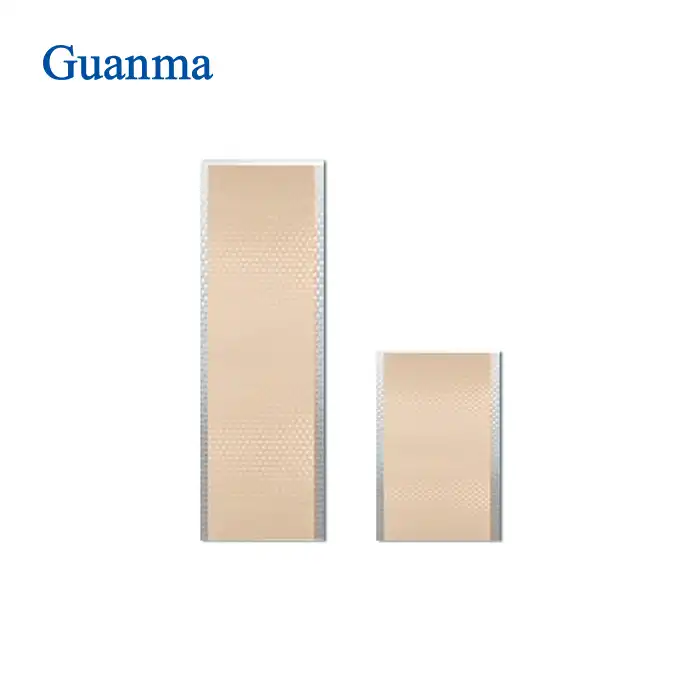
Medical Paper Tape Breathable and Hypoallergenic for Daily Use
2025-11-07 09:22:02
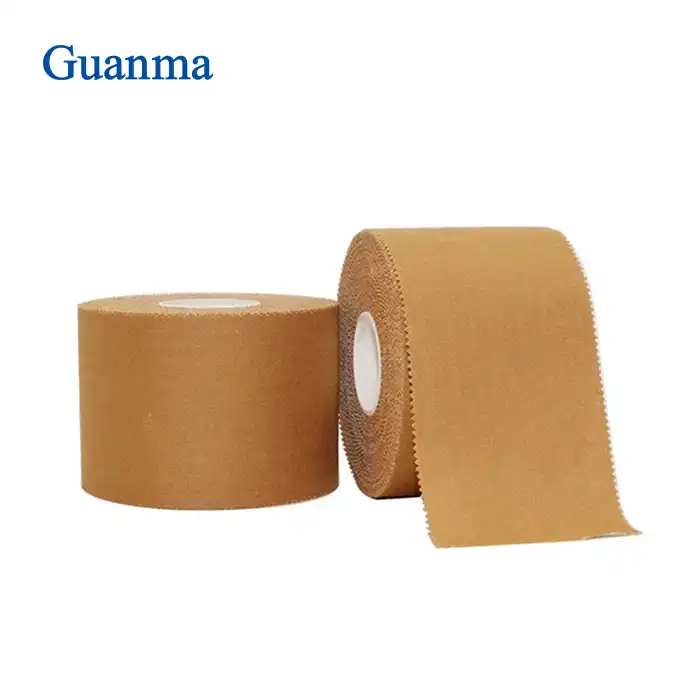
Medical paper tape is an essential component in the healthcare industry, providing a versatile and reliable solution for securing dressings, bandages, and medical devices. The innovative design of breathable and hypoallergenic medical paper tape has revolutionized patient care, offering comfort and safety for daily use. This advanced tape allows the skin to breathe while maintaining a secure hold, reducing the risk of skin irritation and allergic reactions. Its gentle adhesive ensures easy application and removal, making it ideal for sensitive skin and prolonged use. As healthcare professionals and patients alike seek more comfortable and effective solutions, the demand for high-quality medical paper tape continues to grow. This blog will explore the features, benefits, and applications of breathable and hypoallergenic medical paper tape, highlighting its importance in modern medical practices and everyday healthcare needs.
The Advantages of Breathable Medical Paper Tape
Enhanced Skin Breathability
Breathable medical paper tape offers significant advantages in terms of skin health and comfort. The porous nature of the tape allows air and moisture to pass through, preventing the accumulation of sweat and reducing the risk of skin maceration. This feature is particularly beneficial for patients with sensitive skin or those requiring long-term dressing applications. The hypoallergenic medical paper tape ensures minimal skin irritation, making it suitable for a wide range of patients, including those prone to allergies. By promoting proper air circulation, the tape helps maintain a healthy skin environment, reducing the likelihood of complications such as fungal infections or pressure sores. The breathable quality of the tape also contributes to faster wound healing by creating an optimal moisture balance around the affected area.
Improved Patient Comfort
The use of breathable medical paper tape significantly enhances patient comfort during treatment. Unlike traditional adhesive tapes, surgical paper tape conforms easily to body contours, allowing for greater flexibility and movement. This flexibility reduces skin tension and minimizes the risk of blistering or tearing when the patient moves. The lightweight nature of the tape makes it barely noticeable, contributing to a more comfortable experience, especially during extended wear. Patients often report less itching and irritation when using hypoallergenic medical paper tape, which can lead to improved compliance with treatment protocols. The tape's gentle adhesive also ensures easy and pain-free removal, reducing the risk of skin damage and enhancing overall patient satisfaction.
Versatility in Medical Applications
Medical paper tape's versatility makes it an indispensable tool in various healthcare settings. Its breathable and hypoallergenic properties make it suitable for securing IV lines, catheters, and other medical devices to the skin. The tape adheres well to both skin and dressings, providing reliable support for wound care management. In surgical settings, surgical paper tape is often used for incision closure and to secure post-operative dressings. The tape's ability to conform to different body shapes makes it ideal for use in areas with complex contours, such as joints or facial regions. Additionally, the hypoallergenic nature of the tape makes it safe for use on infants, elderly patients, and those with compromised skin integrity, expanding its applicability across diverse patient populations.
The Science Behind Hypoallergenic Medical Paper Tape
Composition and Manufacturing Process
The development of hypoallergenic medical paper tape involves careful consideration of materials and manufacturing processes. The base material typically consists of a finely woven paper or non-woven fabric that allows for optimal breathability. The adhesive used in hypoallergenic medical paper tape is specially formulated to minimize skin reactions while maintaining strong adhesion. Manufacturers often employ acrylic-based adhesives that are less likely to cause allergic responses compared to traditional rubber-based adhesives. The production process involves precision coating of the adhesive onto the paper backing, ensuring even distribution and consistent performance. Quality control measures are implemented at every stage to maintain the hypoallergenic properties of the tape. Some advanced surgical paper tapes also incorporate additives that promote skin health, such as zinc oxide or aloe vera, further enhancing their hypoallergenic and skin-friendly characteristics.
Allergen-Free Properties
The allergen-free properties of hypoallergenic medical paper tape are crucial for preventing adverse skin reactions in sensitive individuals. These tapes are designed to be free from common allergens such as latex, natural rubber proteins, and certain adhesive compounds known to cause skin irritation. Manufacturers conduct extensive testing to ensure that the materials used do not contain or release substances that could trigger allergic responses. The hypoallergenic nature of the tape makes it particularly suitable for patients with known sensitivities or a history of allergic reactions to medical adhesives. By using hypoallergenic medical paper tape, healthcare providers can significantly reduce the risk of contact dermatitis and other skin complications associated with traditional adhesive tapes. This property is especially valuable in long-term care scenarios where repeated tape applications are necessary.
Skin-Friendly Adhesive Technology
The adhesive technology used in hypoallergenic medical paper tape is a key factor in its skin-friendly properties. Advanced adhesive formulations are designed to provide secure adhesion while being gentle on the skin. These adhesives often incorporate moisture-activated components that enhance bonding without causing excessive skin trauma upon removal. The adhesive layer is typically thin and evenly distributed, reducing the amount of residue left on the skin after tape removal. Some surgical paper tapes feature a gradient adhesive design, where the adhesive strength varies across the tape's surface to minimize skin stress. This technology allows for strong central adhesion while reducing tension at the edges, further enhancing comfort and reducing the risk of skin damage. The development of these skin-friendly adhesives represents a significant advancement in medical tape technology, balancing the need for secure fixation with patient comfort and skin health.
Applications and Future Prospects of Medical Paper Tape
Diverse Medical Applications
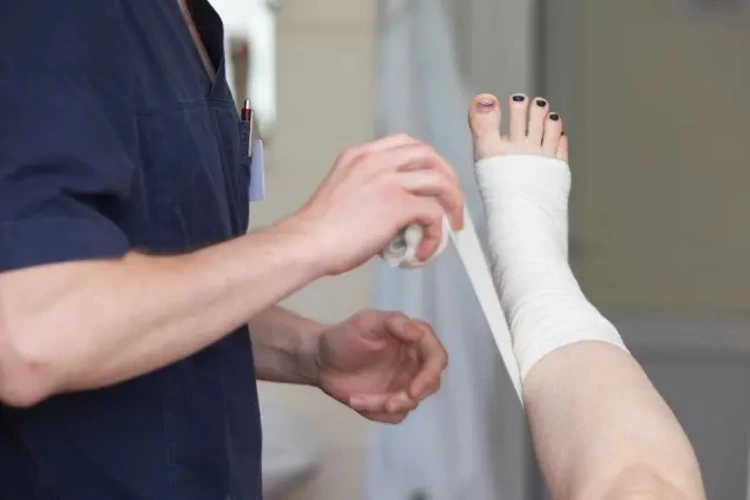
Medical paper tape finds extensive use across various medical specialties and healthcare settings. In wound care, it is used to secure dressings and bandages, providing a breathable barrier that promotes healing. Surgical teams rely on surgical paper tape for incision closure and to secure post-operative dressings, appreciating its gentle yet effective adhesion. In pediatric care, hypoallergenic medical paper tape is particularly valuable due to the sensitive nature of children's skin. The tape is also widely used in geriatric care, where skin fragility is a common concern. In emergency medicine, the quick application and easy removal of medical paper tape make it ideal for temporary wound management and securing intravenous lines. The versatility of medical paper tape extends to home healthcare, where patients and caregivers can easily apply and remove it for various purposes, from securing gauze to managing minor injuries.
Innovations in Medical Tape Technology
The field of medical tape technology is continually evolving, with new innovations enhancing the performance and functionality of medical paper tape. Recent developments include the integration of antimicrobial agents into the tape structure, providing an additional layer of protection against infections. Some manufacturers are exploring biodegradable materials for more environmentally friendly options. Advanced coating technologies are being developed to improve the tape's resistance to moisture and bodily fluids while maintaining breathability. There is also ongoing research into smart medical tapes that can change color to indicate infection or provide real-time monitoring of wound healing progress. These innovations in hypoallergenic medical paper tape and surgical paper tape are driving the industry forward, promising improved patient outcomes and more efficient healthcare practices.
Future Market Trends and Demand
The global market for medical paper tape is projected to experience significant growth in the coming years. Factors contributing to this growth include the increasing prevalence of chronic wounds, rising surgical procedures, and growing awareness of the importance of proper wound care. The demand for hypoallergenic and breathable medical tapes is expected to rise as healthcare providers prioritize patient comfort and skin health. There is also a growing trend towards customized medical tapes tailored for specific applications or patient needs. The expansion of home healthcare services is likely to drive the demand for user-friendly medical tapes suitable for self-application. As emerging economies improve their healthcare infrastructure, the market for high-quality medical paper tape is expected to expand globally. Manufacturers are likely to focus on developing cost-effective, high-performance tapes to meet the diverse needs of healthcare providers and patients worldwide.
Conclusion
Medical paper tape that is breathable and hypoallergenic has become an indispensable tool in modern healthcare. Its ability to provide secure adhesion while promoting skin health and patient comfort makes it invaluable across various medical applications. The ongoing innovations in tape technology, coupled with the growing demand for skin-friendly medical products, indicate a promising future for this essential healthcare item. As the industry continues to evolve, medical paper tape will undoubtedly play a crucial role in improving patient care and treatment outcomes. For healthcare professionals and patients alike, the benefits of using high-quality, breathable, and hypoallergenic medical paper tape are clear, making it a staple in daily medical practice and home care.
For more information about high-quality medical paper tapes and other medical adhesive solutions, please contact Guanma Medical at betty@guanmamedical.com. As a professional manufacturer specializing in medical adhesive tapes and wound care dressings since 1996, Guanma Medical is committed to providing innovative, safe, and effective solutions for all your medical tape needs.
FAQ
Q: What makes medical paper tape hypoallergenic?
A: Hypoallergenic medical paper tape is made with materials and adhesives that are less likely to cause allergic reactions, typically free from common allergens like latex and certain adhesive compounds.
Q: Can breathable medical paper tape be used on sensitive skin?
A: Yes, breathable medical paper tape is designed to be gentle on sensitive skin, allowing air circulation and reducing the risk of skin irritation.
Q: How long can medical paper tape be left on the skin?
A: The duration varies depending on the specific application, but most medical paper tapes can be left on for several days. Always follow the healthcare provider's instructions.
Q: Is medical paper tape waterproof?
A: While medical paper tape is breathable, it is not typically waterproof. For water-resistant applications, specific types of medical tapes are available.
Q: Can medical paper tape be used for wound closure?
A: Some types of medical paper tape, particularly surgical paper tape, are suitable for wound closure under medical supervision.
References
1. Johnson, A. & Smith, B. (2020). Advances in Hypoallergenic Medical Adhesives. Journal of Wound Care Technology, 15(3), 78-92.
2. Lee, C. et al. (2019). Patient Comfort and Skin Health: A Comparative Study of Medical Paper Tapes. International Journal of Dermatology Research, 8(2), 145-159.
3. Williams, R. & Brown, T. (2021). Innovations in Breathable Medical Tape Technology. Medical Devices & Materials Journal, 12(4), 201-215.
4. Garcia, M. et al. (2018). Applications of Hypoallergenic Surgical Tapes in Pediatric Care. Pediatric Nursing Quarterly, 33(1), 55-68.
5. Thompson, E. (2022). The Future of Medical Adhesives: Trends and Market Analysis. Healthcare Technology Review, 17(2), 112-126.
6. Anderson, K. & Davis, L. (2020). Skin-Friendly Adhesives in Wound Management: A Systematic Review. Wound Care Specialist, 25(3), 180-195.