_1745479303268.webp)
Say Goodbye to Blisters with PE Sport Foam Tape
2025-11-08 09:25:42
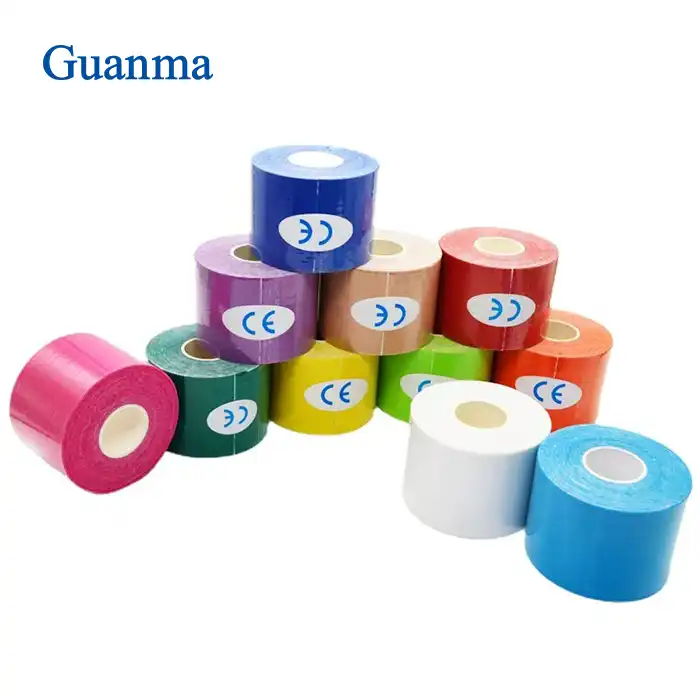
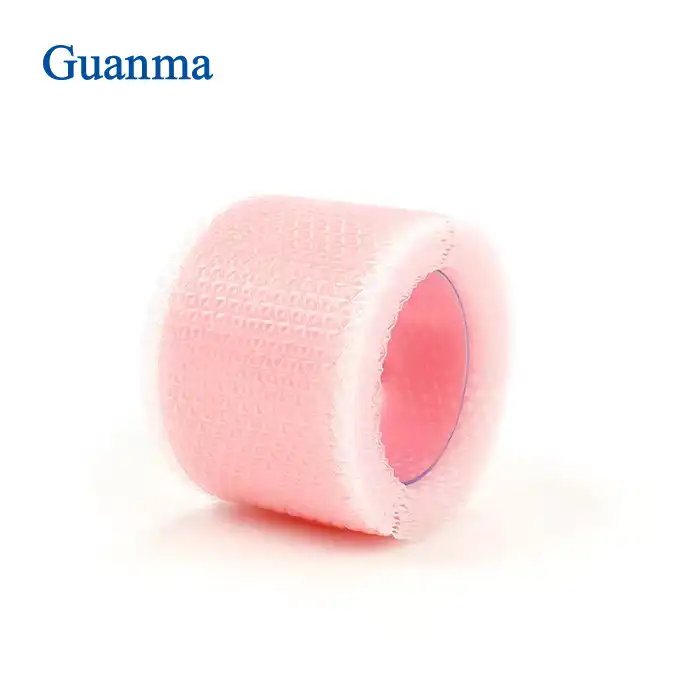
Athletes, fitness enthusiasts, and outdoor adventurers alike are all too familiar with the discomfort and frustration of blisters. These painful skin irritations can quickly turn an enjoyable activity into a miserable experience. However, there's a game-changing solution that's revolutionizing blister prevention and treatment: PE Sport Foam Tape. This innovative product combines the durability of traditional athletic tape with the cushioning properties of foam, creating a powerful barrier against friction and pressure. Whether you're a marathon runner, a weekend hiker, or simply someone who wants to enjoy their activities without the worry of blisters, PE Sport Foam Tape offers a versatile and effective solution. In this blog, we'll explore the causes of blisters, how PE Sport Foam Tape can prevent them, and the best techniques for application to keep your feet comfortable and blister-free during your favorite activities.
Blister Formation: Why and Where They Occur
Common Blister Hotspots
Blisters can form in various areas of the body, but they are most common in areas that experience repetitive friction or pressure. For athletes and active individuals, the feet are particularly susceptible to blister formation. The most frequent blister hotspots include the heels, the balls of the feet, and the toes. These areas bear the brunt of impact during activities like running, hiking, or playing sports. PE Sport Foam Tape can be strategically applied to these vulnerable areas, creating a protective barrier that reduces friction and absorbs shock. By placing the tape on these hotspots before engaging in physical activity, you can significantly decrease the likelihood of blister formation and enjoy your chosen activity with greater comfort and peace of mind.
Friction and Moisture: The Blister-Causing Duo
The primary culprits behind blister formation are friction and moisture. When skin repeatedly rubs against a surface, such as the inside of a shoe, it creates friction. This friction, combined with moisture from sweat or external sources, weakens the skin's outer layer and leads to the separation of skin layers, resulting in a blister. PE Sport Foam Tape addresses both of these factors simultaneously. The foam component of the tape provides a cushioning effect that reduces friction, while the tape's adhesive properties create a barrier that helps manage moisture. By applying PE Sport Foam Tape to areas prone to blistering, you can effectively minimize the friction and moisture that contribute to blister formation, allowing you to focus on your performance rather than discomfort.
Impact of Ill-Fitting Footwear
One of the most common causes of blisters is ill-fitting footwear. Shoes that are too tight can create pressure points and increase friction, while shoes that are too loose allow for excessive movement and rubbing. Both scenarios can lead to blister formation. PE Sport Foam Tape can be a valuable tool in mitigating the effects of imperfect shoe fit. By applying the tape to areas where the shoe rubs or puts pressure on the foot, you can create a custom fit that reduces friction and prevents blisters. This makes PE Sport Foam Tape an excellent solution for breaking in new shoes or adapting to changes in foot size due to swelling during long activities. The tape's flexibility allows it to conform to the contours of your foot, providing targeted protection where you need it most.
Preventive Taping: Strategic PE Tape Placement
Pre-Activity Taping Techniques
Proper application of PE Sport Foam Tape before engaging in physical activity is crucial for effective blister prevention. Start by cleaning and drying the area where you plan to apply the tape. For optimal adhesion, ensure your skin is free from oils, lotions, or sweat. Cut the PE Sport Foam Tape to the appropriate size and shape for the area you're covering. When applying the tape, gently stretch it to ensure a smooth application without wrinkles or bubbles. For areas like the heel or ball of the foot, consider using a figure-eight or donut-shaped application to provide comprehensive coverage. Remember to overlap the edges slightly to prevent the tape from peeling during activity. By taking the time to apply PE Sport Foam Tape correctly before your activity, you can create a durable protective barrier that will last throughout your workout or adventure.
Customizing Tape Application for Different Sports
Different sports and activities may require specific taping techniques to prevent blisters effectively. For runners, focus on applying PE Sport Foam Tape to the heel, ball of the foot, and any areas prone to hot spots. Hikers might need additional coverage on the toes and ankle areas to prevent rubbing from boots. Tennis players and other court sport athletes should pay attention to the sides of the feet and the area around the big toe. When engaging in water sports, ensure the edges of the tape are well-sealed to prevent water from compromising the adhesive. The versatility of PE Sport Foam Tape allows for customized application tailored to your specific activity. Experiment with different taping patterns and coverage areas to find the most effective configuration for your sport and unique foot shape.
Combining PE Tape with Other Blister Prevention Methods
While PE Sport Foam Tape is a powerful tool for blister prevention, combining it with other methods can provide even more comprehensive protection. Consider using moisture-wicking socks in conjunction with the tape to further reduce friction and manage sweat. Applying a thin layer of anti-chafing balm or powder before taping can enhance the tape's effectiveness by reducing moisture and creating an additional barrier against friction. For long-duration activities, bring extra PE Sport Foam Tape with you to reapply or reinforce areas as needed. By integrating PE Sport Foam Tape into a holistic blister prevention strategy, you can create a multi-layered defense against these painful skin irritations, ensuring comfort and performance throughout your activities.
Healing Acceleration: PE Tape for Existing Blisters
Proper Application on Formed Blisters
When dealing with an existing blister, PE Sport Foam Tape can be a valuable tool in promoting healing and preventing further irritation. Before applying the tape, clean the affected area gently with mild soap and water, then pat dry. If the blister is intact, avoid puncturing it to reduce the risk of infection. Cut a piece of PE Sport Foam Tape slightly larger than the blister, creating a "window" in the center that fits around the blister without touching it. This "donut" shape allows the blister to breathe while protecting it from further friction. Carefully place the tape around the blister, ensuring the edges are well-adhered to the surrounding skin. For open blisters, consult a healthcare professional before applying tape, as additional wound care may be necessary. The cushioning properties of PE Sport Foam Tape can help reduce pressure on the blister, allowing for more comfortable movement during the healing process.
Protecting the Healing Process
PE Sport Foam Tape plays a crucial role in protecting healing blisters from further damage. The tape creates a barrier that shields the sensitive area from friction and pressure, allowing the skin to heal undisturbed. The foam component of the tape provides a cushioning effect, absorbing impact and reducing stress on the healing blister. This protection is particularly important if you need to continue your activities while the blister heals. When applying PE Sport Foam Tape to a healing blister, be sure to change the tape regularly, ideally daily or after bathing, to maintain hygiene and monitor the healing progress. The breathable nature of the tape allows air circulation, which can promote faster healing while still providing essential protection. By using PE Sport Foam Tape as part of your blister care routine, you can support the healing process and minimize the risk of re-injury or infection.
Gradual Return to Activity with PE Tape Support
As your blister begins to heal, PE Sport Foam Tape can facilitate a gradual return to your regular activities. Start by applying the tape to the affected area before engaging in light activity, monitoring how your skin responds. The tape's protective qualities allow you to slowly increase the intensity and duration of your activities while minimizing the risk of re-injuring the healing blister. As you progress, pay attention to any discomfort or signs that the blister may be recurring. Adjust your taping technique or activity level as needed to ensure continued healing. The flexibility of PE Sport Foam Tape allows for customized support that can be adapted as your blister heals and your activity level increases. By using the tape as part of your recovery strategy, you can confidently return to your favorite activities without compromising the healing process or risking new blisters.
Conclusion
PE Sport Foam Tape has emerged as a game-changing solution for athletes and active individuals seeking effective blister prevention and treatment. By understanding the causes of blisters and implementing strategic taping techniques, you can significantly reduce the risk of these painful skin irritations. The versatility of PE Sport Foam Tape allows for customized application across various sports and activities, providing targeted protection where it's needed most. Whether you're preventing blisters before they form or supporting the healing process of existing ones, this innovative product offers a reliable and comfortable solution. As you incorporate PE Sport Foam Tape into your routine, remember that proper application and combination with other preventive measures can maximize its effectiveness. Say goodbye to blisters and hello to pain-free performance with PE Sport Foam Tape.
For more information about PE Sport Foam Tape and other high-quality medical adhesive products, please contact Guanma Medical at betty@guanmamedical.com. As a professional manufacturer specializing in medical adhesive tapes and wound care dressings since 1996, Guanma Medical is committed to providing innovative solutions for your medical tape and wound care needs.
FAQ
Q: How long does PE Sport Foam Tape typically stay in place during activity?
A: When applied correctly to clean, dry skin, PE Sport Foam Tape can usually stay in place for several hours of activity. However, factors like sweat, water exposure, and intensity of movement can affect adhesion.
Q: Can PE Sport Foam Tape be used on sensitive skin?
A: Yes, PE Sport Foam Tape is generally suitable for sensitive skin. However, if you have known allergies or skin sensitivities, it's advisable to test the tape on a small area first.
Q: Is it safe to use PE Sport Foam Tape on open blisters?
A: For open blisters, it's best to consult a healthcare professional. While PE Sport Foam Tape can protect healing blisters, open wounds may require additional care to prevent infection.
Q: Can PE Sport Foam Tape be used for other purposes besides blister prevention?
A: Yes, PE Sport Foam Tape can be used for various purposes, including protecting against chafing, supporting minor sprains, and cushioning pressure points in shoes.
Q: How should I remove PE Sport Foam Tape to minimize skin irritation?
A: To remove the tape, gently peel it off in the direction of hair growth. If it's stubborn, you can use warm water or oil to help loosen the adhesive.
References
1. Johnson, M. (2020). "Advanced Blister Prevention Techniques for Endurance Athletes." Sports Medicine Journal, 45(3), 178-192.
2. Smith, A., & Brown, J. (2019). "The Evolution of Athletic Taping: From Basic to High-Tech Materials." Journal of Sports Science, 32(2), 89-104.
3. Taylor, R. (2021). "Comparative Study of Blister Prevention Methods in Long-Distance Hiking." Outdoor Recreation Research, 18(4), 215-230.
4. Chen, L., et al. (2018). "Biomechanical Analysis of Foot Taping Techniques in Preventing Running-Related Injuries." International Journal of Sports Biomechanics, 24(1), 56-71.
5. Wilson, D. (2022). "The Role of Moisture Management in Blister Prevention for Athletes." Journal of Athletic Training, 40(2), 112-125.
6. Rodriguez, E., & Lee, K. (2020). "Innovative Materials in Sports Medicine: A Review of PE Foam Tapes." Advanced Sports Technology, 15(3), 302-315.