_1745479303268.webp)
The Rising Trend of Kinesiology Sports Tape in Fitness
2026-03-03 10:27:05
Kinesiology Sports Tape has become very popular very quickly in the fitness industry. It has changed how players and fitness fans avoid injuries and improve their performance. This stretchy therapeutic tape has gone from being a specialized medical tool to a popular exercise item. It has benefits that regular stiff tapes can't offer. It's becoming more and more popular because it can support muscles and joints while keeping a full range of motion. This makes it an important part of current sports medicine and therapy programs all over the US.
Understanding Kinesiology Sports Tape and Its Benefits
There has been a huge step forward in therapy support technology with kinesiology tape, which is very different from traditional sports taping methods. This elastic cotton-based material matches the skin's natural properties, offering therapeutic benefits without restricting movement. This is different from standard stiff tapes that do the opposite.
The Science Behind Elastic Therapeutic Support
The main way that kinesiology tape works is through a number of bodily routes. When the tape is put on properly, it lifts the skin very slightly, which helps the lymphatic system work better and the blood flow better. This pulling action takes pressure off of pain receptors, which relieves pain naturally and speeds up the mending process. The acrylic glue on the cotton fibers lets the fabric breathe, which keeps your skin from getting irritated after long periods of wear. The tape's ability to stretch, which is usually between 120 and 140% of its original length, is the same as the skin's. Because of this feature, players can keep their full range of motion while getting support for certain muscle groups or joints. According to research, the right treatment can cut muscle tiredness by up to 20% during hard physical activities.
Therapeutic Applications in Sports Medicine
Kinesiology tape is being used more and more by pros in sports medicine to help a wide range of conditions. Common sports problems like plantar fasciitis, IT band syndrome, and shoulder cuff impingements can be helped by the tape. Physical therapists say that patients do better when they do standard rehabilitation routines along with targeted tape applications. Kinesiology tape can be used for more than just treating injuries. It can also be used to improve performance. The tape is used as a preventative measure by athletes to keep their muscle firing patterns correct during competition. Professional sports teams like this way of preventing injuries because studies have shown that people who were taped are less likely to get hurt than people who were not taped.
Exploring Types and Applications: A Knowledge Popularization Approach
There are a lot of different kinds of Kinesiology Sports Tape goods on the market today, which shows how well people understand the needs of different sports and medical conditions. Manufacturers have made different versions to meet different needs, weather situations, and user tastes.
Material Variations and Performance Characteristics
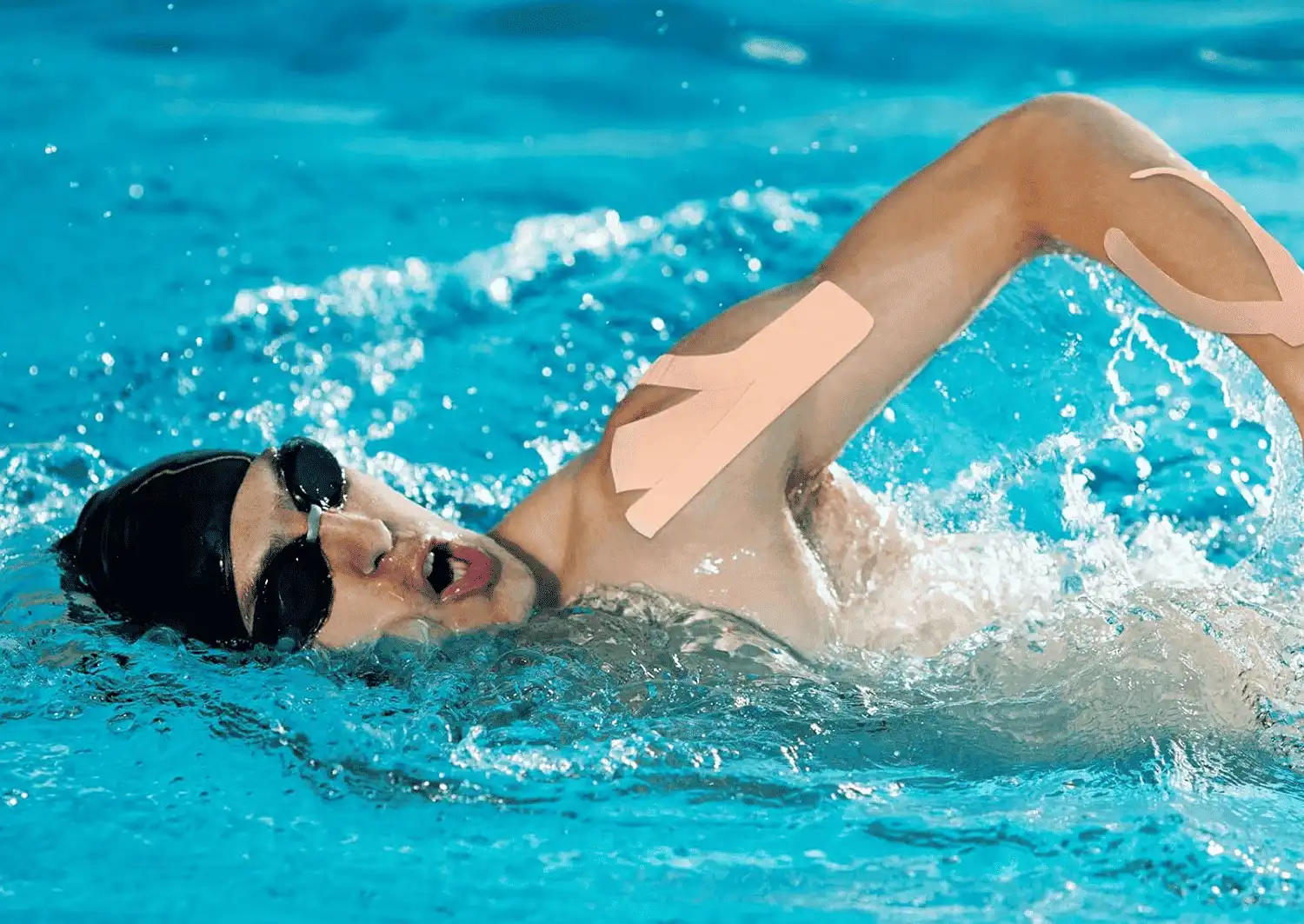
Different base materials are used in modern kinesiology tapes to meet different performance goals. Cotton-based tapes are better for therapy settings because they let air flow and are more comfortable to wear for long periods of time. Rayon mixes are more durable and don't get wet as easily, which is great for water sports or places with a lot of humidity. Medical-grade plastics that are nontoxic have become the standard in adhesive technology, which has changed a lot. These adhesives keep their ability to stick things together strongly while lowering the risk of skin injury. Modern formulas can handle multiple shower cycles and heavy sweating without losing their ability to stick. Some specialized types have repositionable glue that lets you make changes to the application while it's being put down for the first time.
Strategic Application Techniques for Common Injuries
Therapeutic success depends on the right way to apply the therapy, which requires knowledge of muscle structure and biomechanics. When treating knee pain, the tape is put on in certain ways that support the patellofemoral joint and keep the quadriceps muscles active. The Y-strip method around the patella keeps the knee stable without getting in the way of regular knee flexion while doing activities. Common impingement conditions can be helped by shoulder applications that support the deltoid and rotator cuff muscles in a smart way. The tape helps keep the shoulder in the right place while moving overhead, which lowers the stress on weak structures. The erector spinae muscles are supported by lower back muscles that also help keep the spine straight while pulling.
Color Psychology and Athletic Performance
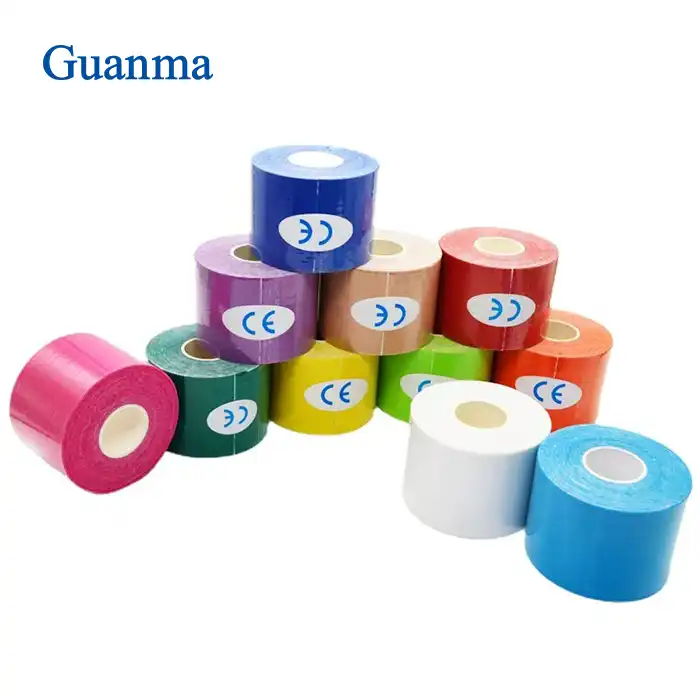
The effect of tape color on psychology has become an interesting topic to think about in sports settings. The therapeutic effects stay the same no matter what color is used, but an athlete's choice and faith can change how effective they think it is. Bright colors, like pink or blue, can help you feel more confident and stand out during training sessions. In business settings, gray tones are better for keeping your identity private. Professional teams sometimes match the colors of their tape to their outfits. This helps the players feel like they belong to the team and gives them a sense of unity. According to research, players feel more confident when they use their favorite colors. The physiological effects stay the same, though. Because of this psychological factor, purchasing choices have been affected, and facilities now stock a range of colors to suit different tastes.
Comparing Kinesiology Sports Tape Brands and Products for Informed Procurement
There are a number of well-known types of Kinesiology Sports Tape on the market. Each one has its own benefits and aims at a different group of customers. By knowing these differences, you can make smart choices about procurement that meet the goals of your company and your budget.
Leading Brand Analysis and Performance Metrics
Market leaders have stayed at the top by providing steady quality, coming up with new features, and doing a lot of scientific testing. Most of the time, premium types of adhesives last longer, with products staying useful for three to five days with standard use. These companies put a lot of money into research and development, which leads to better adhesives and better material qualities. A wider range of people can buy good kinesiology tape because mid-level makers focus on making products that work well and don't cost too much. Most of the time, these items can be worn for two to three days without losing their therapeutic effects. Because these choices are cheap, they are good for high-volume uses in places like exercise centers and hospitals. Budget-friendly names cater to price-conscious customers while still meeting basic performance needs. Even though these goods may not last as long and aren't as resistant to water, they are still useful for simple support tasks. These choices are often used by schools and community health centers to get their programs to as many people as possible with the money they have.
Cost-Effectiveness and Bulk Purchasing Strategies
When choosing kinesiology tape providers, people in charge of procurement have to find a balance between quality needs and price limits. When you buy in bulk, you can save a lot of money. Depending on how much you buy, the volume price can be anywhere from 15% to 30%. By signing annual contracts with sellers, you can be sure that prices will stay stable and that supplies will be available during times of high demand. Subscription plans have become a good choice for sites that know how they will be used. A lot of the time, these deals come with extras like educational tools, training on how to use the software, and technical help. Automatic supplies are convenient and make sure that products are always available. They also make administration easier.
How to Choose the Right Kinesiology Sports Tape for Your Business
When choosing the right kinesiology tape goods, you need to carefully think about a lot of things, such as the type of users, the application setting, and the performance needs. A methodical approach to evaluation makes sure that the best product is chosen, one that meets both functional goals and price limits.
User Group Segmentation and Needs Assessment
Different groups of users have different needs that affect how products are chosen. Sports camps focus on the strength and stability of the glue so that it doesn't need to be reapplied too often during treatment plans. Maintaining success over multiple therapy sessions cuts down on material costs and makes patients happier. Fitness centers require products that work well in high-intensity settings and are comfy for a wide range of users are needed in fitness centers. When helping people with sensitive skin, hypoallergenic qualities become very important. Waterproof versions work well in places with water programs or a lot of humidity. Distributors make sure that products are reliable and stay stable on shelves so that customers don't have to return them or complain. Products with longer shelf lives make managing supplies easier and cut down on waste. Consistent quality across production batches keeps customers happy and encourages them to buy from you again.
Technical Evaluation Criteria
Adhesion strength testing gives accurate information about performance that helps with choice decisions. Products should stick well enough under normal use settings while still being easy to remove. Standardized testing methods check how well something sticks to different types of skin and in different environments. Measurements of elasticity make sure that goods have the right amount of stretch for their intended uses. The best range for flexibility is between 120 and 140% of its original length, which is similar to the way skin works. Products that are too expensive or too loose may not provide enough support, and products that are too stretchy may make it hard to move or be uncomfortable. Breathability testing measures how quickly moisture vapor moves through a material, which shows how comfortable it is to wear for long periods of time. Higher transfer rates are linked to more comfortable use and a lower chance of skin irritation. This factor is especially important for goods that will be used for more than one day or in damp places.
Market Trends and Future Outlook of Kinesiology Sports Tape in Fitness
The market for Kinesiology Sports Tape keeps growing as more people learn about its benefits for preventing injuries and improving performance. Analysts predict that the industry will continue to grow because more people are playing sports and older people want to keep living a busy lifestyle.
Innovation in Materials and Manufacturing
The goal of advanced material research is to improve efficiency while still meeting biocompatibility standards. Nanofiber technologies claim to make things stick together better and breathe better. These new ideas might make materials thinner while increasing wear time, which would make them more comfortable and private. As consumers and procurement workers become more aware of the environment, sustainable production methods become more important. Companies that care about the environment use biodegradable glue and recycled fiber material. When suppliers invest in environmentally friendly methods, they often get an edge in buying reviews. Smart tape technologies that include sensors represent emerging opportunities for performance monitoring applications. High-performance sports teams and study institutions might be interested in these goods because they could give real-time feedback on muscle activation patterns and movement quality.
Distribution Channel Evolution
E-commerce sites keep growing their market share because they make shopping online easier and offer better prices for large orders. Online markets make it easy to compare prices and read reviews from other customers, which helps with making buying choices. Digital platforms also make it easier to get to learning materials and how-to videos for apps. Buying from a direct manufacturer has benefits, such as the ability to customize products and get expert help. Many companies make it possible for wholesalers to make their own brand-name products by offering private labeling services. As a way to boost sales, these relationships often include training programs and help with marketing.
Conclusion
The growing use of Kinesiology Sports Tape in fitness is a big step toward tactics that are backed by evidence to help avoid injuries and improve performance. It is important for buying workers to keep up with changes in technology, new regulations, and new uses as the market grows. Kinesiology tape is an important part of modern exercise and healthcare settings because it is cost-effective, easy to use, and has potential therapeutic effects. When organizations buy quality goods from dependable providers, users will have better experiences and programs will work better.
FAQ
What makes kinesiology tape different from regular athletic tape?
When it comes to how it's used and how stretchy it is, kinesiology tape is very different from regular sports tape. Regular tapes make it hard to move because they are rigid, but kinesiology tape can stretch up to 140% of its original length, making it feel like skin. This lets you move fully and helps your body heal by increasing blood flow and lowering the pressure on pain sensors.
How long can kinesiology tape remain effective when applied?
Most high-quality kinesiology tape stays useful for three to five days with average use. How the skin is prepared, how the product is applied, the amount of exercise, and the environment can all affect how long it lasts. Some types are waterproof, so they can handle multiple shower rounds and heavy sweating without losing their stickiness.
Are there specific skin sensitivity considerations for kinesiology tape use?
Hypoallergenic medical-grade adhesives are used in modern kinesiology tapes to reduce the chance of skin discomfort. However, people who are known to be allergic to adhesives should do a test before applying the whole thing. Rubber-sensitive people can use formulas that don't contain rubber, and materials that let air pass through them keep skin from getting too wet, which can cause problems.
What training is required for proper kinesiology tape application?
To use kinesiology tape correctly, you need to know about anatomy, physics, and certain taping methods. Instructional tools can help you learn basic applications, but professional training is best for learning more complicated therapeutic applications. A lot of companies have training and certification programs for people who work in health care and exercise.
How should facilities determine their kinesiology tape inventory requirements?
Planning an inventory should take into account the number of users, the regularity of applications, and the storage circumstances. To account for changes in usage and shipping dates, facilities usually keep enough supplies on hand for two to three months. When kept properly in places with managed temperature and humidity, products last longer.
Partner with Guanma Medical for Premium Kinesiology Sports Tape Solutions
For over 30 years, Guanma Medical has been the trusted producer of kinesiology sports tape, known for its high quality and dependability. Our factory is CE and ISO 13485 approved, and they use modern cotton and rayon materials along with hypoallergenic medical acrylic glue to make high-quality therapeutic tapes that are also elastic. We offer many ways to customize, such as different lengths (2.5 cm to 7.5 cm), a wide range of colors, and private marking services to meet the needs of your market. Our experienced research and development team can quickly make changes to the glue recipe while keeping strict quality control standards during production. Whether you work for a sports brand, a medical distributor, a drugstore, or a healthcare center, Guanma always provides high-quality products and dependable supply chain management. Get in touch with betty@guanmamedical.com to talk about your kinesiology sports tape provider needs and find out how our OEM/ODM services can help your business.
References
1. Williams, S., Whatman, C., Hume, P.A., & Sheerin, K. (2012). Kinesio taping in treatment and prevention of sports injuries: a meta-analysis of the evidence for its effectiveness. Sports Medicine, 42(2), 153-164.
2. Mostafavifar, M., Wertz, J., & Borchers, J. (2012). A systematic review of the effectiveness of kinesio taping for musculoskeletal injury. The Physician and Sportsmedicine, 40(4), 33-40.
3. Lim, E.C., & Tay, M.G. (2015). Kinesio taping in musculoskeletal pain and disability that lasts for more than 4 weeks: is it time to peel off the tape and throw it out with the sweat? British Journal of Sports Medicine, 49(24), 1558-1566.
4. Parreira, P.D.C.S., Costa, L.D.C.M., Hespanhol Junior, L.C., Lopes, A.D., & Costa, L.O.P. (2014). Current evidence does not support the use of Kinesio Taping in clinical practice: a systematic review. Journal of Physiotherapy, 60(1), 31-39.
5. Chang, H.Y., Chou, K.Y., Lin, J.J., Lin, C.F., & Wang, C.H. (2010). Immediate effect of forearm Kinesio taping on maximal grip strength and force sense in healthy collegiate athletes. Physical Therapy in Sport, 11(4), 122-127.
6. Kalron, A., & Bar-Sela, S. (2013). A systematic review of the effectiveness of Kinesio Taping鈥攆act or fashion? European Journal of Physical and Rehabilitation Medicine, 49(5), 699-709.