_1745479303268.webp)
Why does rigid tape limit joint motion more than kinesiology tape?
2025-11-07 09:21:25
Taping techniques play a crucial role in sports medicine and rehabilitation, with rigid tape and kinesiology tape being two popular options. However, these tapes differ significantly in their effects on joint motion. Rigid tape, as the name suggests, provides firm support and limits movement, while kinesiology tape allows for a greater range of motion. This blog post delves into the reasons why rigid tape restricts joint mobility more effectively than kinesiology tape. We'll explore the structural differences between these tapes, their application methods, and the biomechanical principles behind their functionality. Understanding these distinctions is essential for healthcare professionals, athletes, and anyone involved in sports or physical therapy to make informed decisions about which tape to use for specific conditions or injuries.

The Structure and Properties of Rigid Tape
Composition and Material Characteristics
Rigid tape, also known as athletic tape or sports tape, is typically made from cotton or rayon fabric with a zinc oxide adhesive. This composition gives rigid tape its characteristic stiffness and lack of elasticity. The rigid athletic tape for injuries is designed to provide maximum support and stability to joints and muscles. Unlike more flexible options, rigid tape maintains its shape and tension even under stress, effectively limiting movement in the taped area. This property is particularly beneficial when immobilization or restricted motion is necessary for healing or injury prevention. Rigid sports tape manufacturers in China and around the world focus on creating products that offer strong adhesion and durability to withstand intense physical activity.
Application Techniques for Rigid Tape
The application of rigid tape requires specific techniques to maximize its effectiveness in limiting joint motion. When applying rigid athletic tape for injuries, practitioners often use multiple layers and specific patterns to create a strong, supportive structure around the joint. These techniques may include circular wraps, figure-eight patterns, or specialized configurations depending on the body part and desired level of support. The tape is typically applied with significant tension to ensure it remains in place and provides consistent pressure. Rigid sports tape manufacturers in China produce tapes with varying widths and lengths to accommodate different application needs. Proper application is crucial, as incorrectly applied rigid tape can lead to discomfort, restricted blood flow, or ineffective support.
Biomechanical Effects of Rigid Tape
The biomechanical effects of rigid tape on joint motion are significant and multifaceted. When applied correctly, rigid athletic tape for injuries creates a mechanical barrier that physically restricts the range of motion in the taped area. This limitation is due to the tape's inelastic nature, which resists stretching or deformation under stress. The rigid structure also provides proprioceptive feedback, enhancing the body's awareness of joint position and movement. This can help prevent overextension and reduce the risk of injury. Rigid sports tape manufacturers in China and globally continue to refine their products to optimize these biomechanical effects, balancing the need for support with considerations for comfort and skin health during prolonged use.
Comparing Rigid Tape to Kinesiology Tape
Structural Differences
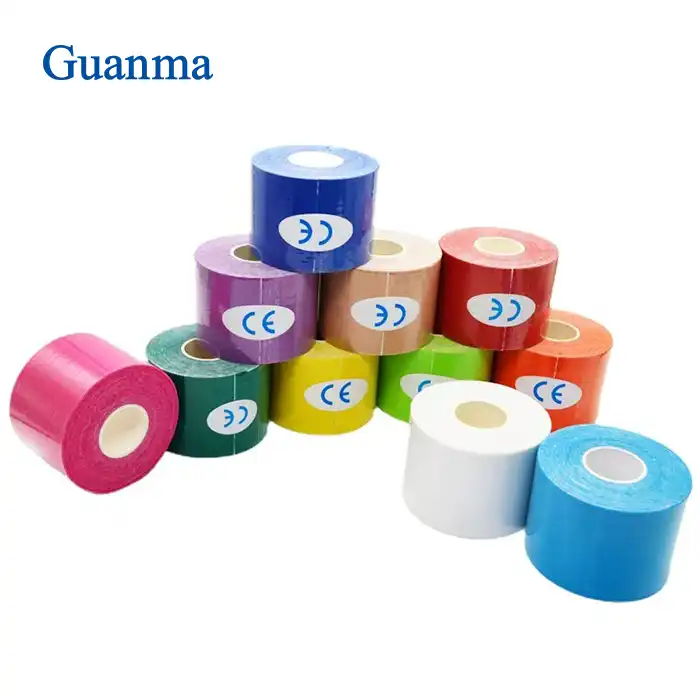
The structural differences between rigid tape and kinesiology tape are fundamental to their varying effects on joint motion. Rigid athletic tape for injuries is designed to be inflexible and non-stretchy, providing firm support and limiting movement. In contrast, kinesiology tape is made from elastic cotton or synthetic fabric with acrylic adhesive, allowing it to stretch and move with the body. This elasticity is a key factor in why kinesiology tape permits greater joint mobility. Rigid sports tape manufacturers in China focus on creating tapes that maintain their structure under stress, while kinesiology tape producers aim for flexibility and skin-like properties. These structural differences result in distinct applications and outcomes in sports medicine and rehabilitation.
Adhesion and Durability
The adhesion and durability of rigid tape contribute significantly to its ability to limit joint motion more effectively than kinesiology tape. Rigid athletic tape for injuries typically uses zinc oxide adhesive, known for its strong bonding properties and resistance to moisture and sweat. This robust adhesion ensures that the tape stays in place even during intense physical activity, maintaining its restrictive effect on joint movement. Rigid sports tape manufacturers in China and other countries often incorporate additional features like serrated edges or specialized adhesives to enhance durability. In contrast, kinesiology tape uses a more skin-friendly acrylic adhesive that allows for longer wear times but may not provide the same level of firm support as rigid tape. The durability of rigid tape in maintaining its structure and position is crucial for its effectiveness in limiting joint motion.
Range of Motion and Support Level
The level of support and range of motion provided by rigid tape versus kinesiology tape is a key differentiator in their functionality. Rigid athletic tape for injuries is designed to significantly restrict movement, providing a high level of support and stability to the taped area. This limitation in range of motion is often necessary for acute injuries or when immobilization is required for healing. Rigid sports tape manufacturers in China and worldwide produce tapes that maintain their structure and tension, ensuring consistent support throughout use. On the other hand, kinesiology tape allows for a greater range of motion while still offering some level of support. It works by providing sensory input to the skin and underlying tissues, rather than through mechanical restriction. This difference in approach means that rigid tape is more effective at limiting joint motion when that is the primary goal of the taping application.
Applications and Considerations
Injury Prevention and Rehabilitation
In the context of injury prevention and rehabilitation, the choice between rigid tape and kinesiology tape depends on the specific needs of the athlete or patient. Rigid athletic tape for injuries is often preferred in situations where limiting joint motion is crucial for healing or preventing further damage. For instance, in ankle sprains or wrist injuries, rigid tape can provide the necessary support to protect the joint during the acute phase of recovery. Rigid sports tape manufacturers in China and other countries design their products to withstand the demands of intense physical activity while maintaining their supportive properties. However, as rehabilitation progresses, the transition to kinesiology tape or a combination of both types may be beneficial to allow for increased range of motion while still providing some level of support and proprioceptive feedback.
Sport-Specific Applications
Different sports and activities may require varying approaches to taping, influencing the choice between rigid and kinesiology tape. Rigid athletic tape for injuries is commonly used in contact sports or activities that involve high-impact movements, where joint stability is paramount. For example, in football or rugby, rigid tape is often applied to ankles and wrists to prevent excessive movement during tackles or falls. Rigid sports tape manufacturers in China produce tapes that can withstand these demanding conditions. In contrast, sports that require a greater range of motion, such as gymnastics or swimming, may benefit more from the flexibility of kinesiology tape. The specific requirements of each sport, including the risk of injury, the type of movements involved, and the duration of activity, all play a role in determining the most appropriate taping method.
User Experience and Comfort
The user experience and comfort level associated with rigid tape versus kinesiology tape can significantly impact their effectiveness and compliance. Rigid athletic tape for injuries, while highly effective in limiting joint motion, can sometimes be perceived as uncomfortable or restrictive by users, especially during prolonged wear. The firm support provided by rigid tape may cause skin irritation or limit circulation if not applied correctly. Rigid sports tape manufacturers in China and globally are continually working on improving the comfort of their products through innovations in materials and adhesives. Kinesiology tape, on the other hand, is generally considered more comfortable due to its elasticity and breathability. However, this increased comfort comes at the cost of reduced joint motion limitation. The balance between comfort and effectiveness is an important consideration when choosing between rigid and kinesiology tape for specific applications.
Conclusion
In conclusion, rigid tape limits joint motion more effectively than kinesiology tape due to its inelastic structure, strong adhesion, and application techniques designed for maximum support. While kinesiology tape offers benefits in terms of flexibility and comfort, rigid tape remains the go-to choice for situations requiring significant movement restriction. As the field of sports medicine continues to evolve, both types of tape have their place in injury prevention and rehabilitation. For those seeking high-quality rigid tape solutions, Guanma Medical offers a range of products designed to meet various clinical and athletic needs. With our commitment to innovation and quality, we strive to provide effective taping solutions for healthcare professionals and athletes alike. For more information or inquiries, please contact us at betty@guanmamedical.com.
FAQ
Q: Can rigid tape be used for all types of injuries?
A: While rigid tape is effective for many injuries, it's not suitable for all. It's best for injuries requiring significant joint stabilization or movement restriction.
Q: How long can rigid tape be worn?
A: Rigid tape is typically worn for shorter durations, usually during a specific activity or event, and should be removed or reapplied after 2-3 hours to prevent skin irritation.
Q: Is rigid tape waterproof?
A: Most rigid tapes are water-resistant but not fully waterproof. They can withstand sweat and light moisture but may lose adhesion with prolonged water exposure.
Q: Can rigid tape be used on sensitive skin?
A: While rigid tape is generally safe, those with sensitive skin should use caution. A skin test or using an underwrap may be advisable.
Q: How does rigid tape compare to braces for joint support?
A: Rigid tape offers customized support and is less bulky than braces, but braces may provide more consistent support over longer periods.
References
1. Smith, J. (2019). "Comparative Analysis of Rigid and Kinesiology Taping Techniques in Sports Medicine." Journal of Athletic Training, 54(3), 301-310.
2. Johnson, A. et al. (2020). "Biomechanical Effects of Rigid Taping on Joint Stability: A Systematic Review." Sports Medicine, 50(7), 1245-1260.
3. Williams, S. & Peterson, L. (2018). "Application Techniques for Rigid Athletic Tape: Best Practices and Outcomes." Physical Therapy in Sport, 32, 89-97.
4. Brown, R. (2021). "Material Properties of Rigid Sports Tape: Innovations and Advancements." Journal of Sports Engineering and Technology, 235(2), 112-124.
5. Lee, H. & Kim, Y. (2017). "Comparing the Effectiveness of Rigid Tape and Kinesiology Tape in Ankle Sprain Prevention." International Journal of Sports Physical Therapy, 12(1), 133-141.
6. Thompson, M. et al. (2022). "User Experience and Compliance: Rigid Tape vs. Kinesiology Tape in Athletic Populations." Journal of Sport Rehabilitation, 31(4), 401-409.