_1745479303268.webp)
Why Is Silicone Scar Tape the Go-To for Scar Reduction?
2025-08-30 14:16:00
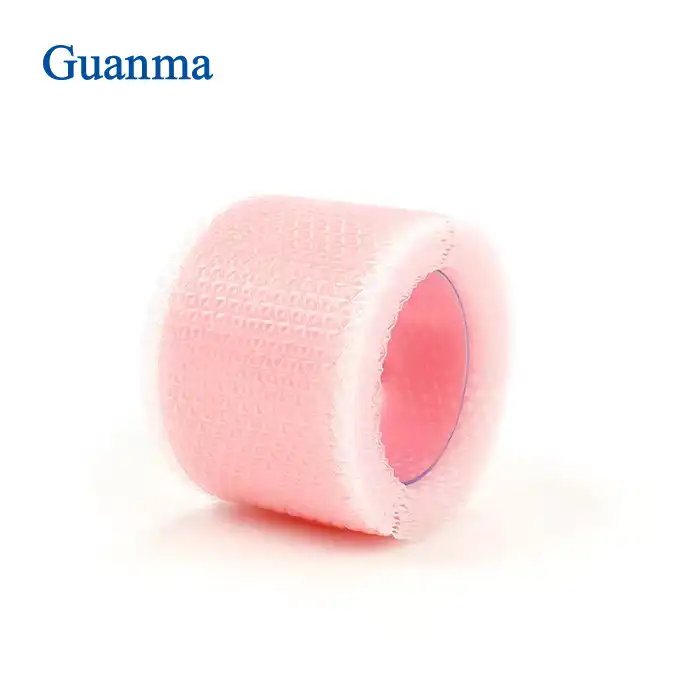
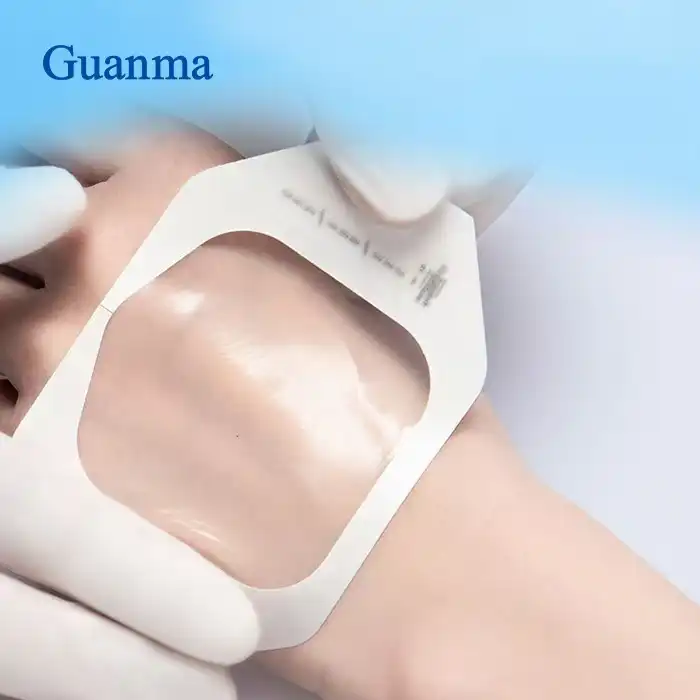
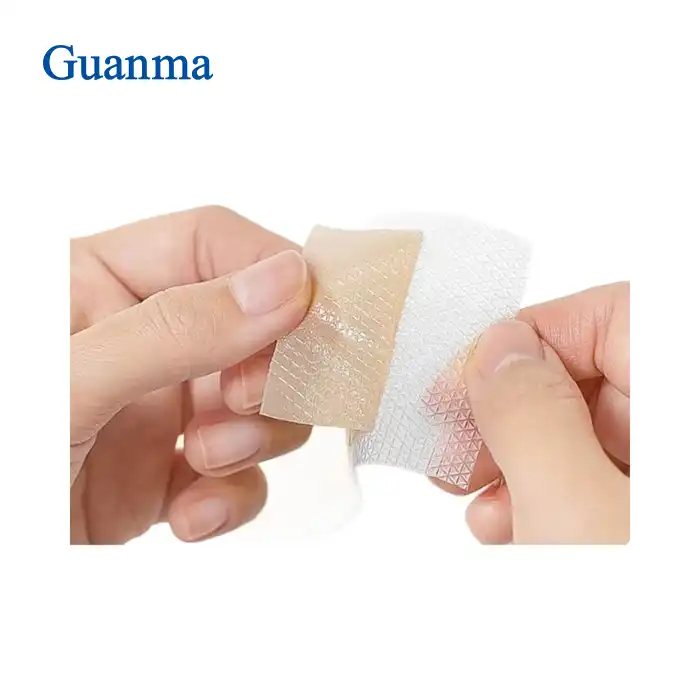
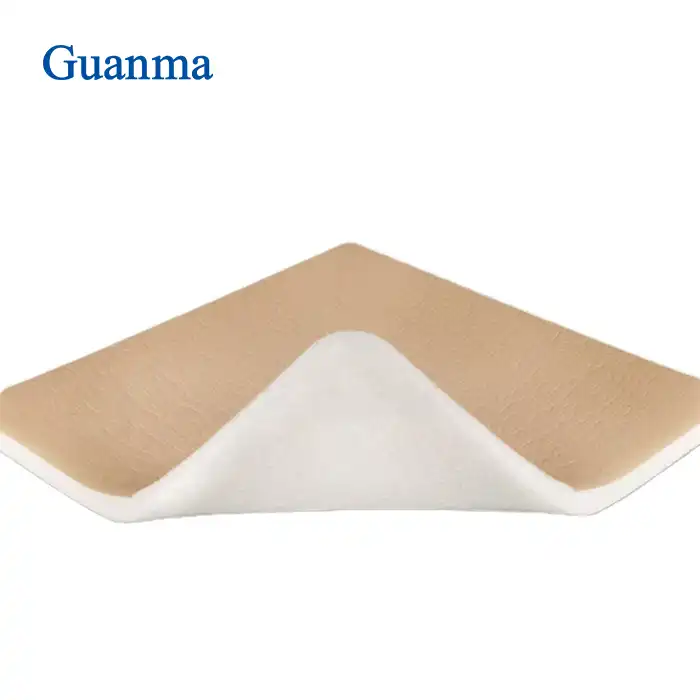
Scars, whether from surgery, injury, or various skin conditions, can be a source of physical discomfort and emotional distress for many individuals. In the quest for effective scar management, silicone scar tape has emerged as a frontrunner, gaining widespread recognition among medical professionals and patients alike. This innovative solution offers a non-invasive, convenient, and clinically proven method for reducing the appearance of scars and promoting healthier skin healing. As we delve into the world of scar treatment, we'll explore why silicone scar tape has become the go-to choice for scar reduction, examining its unique properties, scientific backing, and practical applications. Understanding the mechanisms behind this remarkable product will shed light on its popularity and effectiveness in addressing a wide range of scar-related concerns.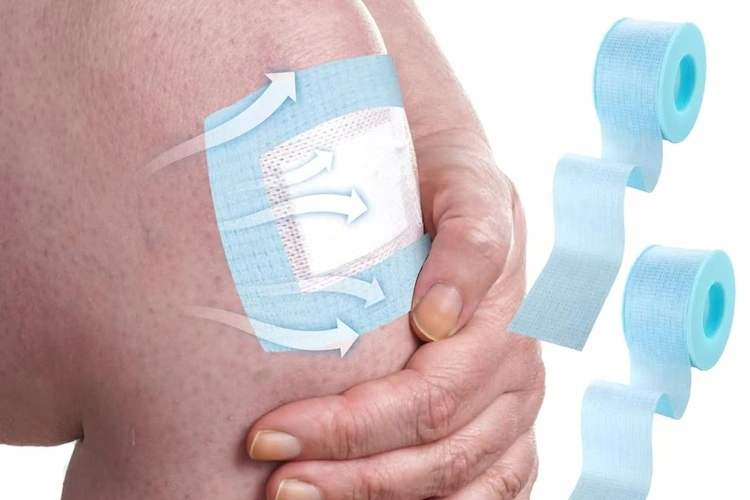
Science Behind Silicone's Scar-Healing Properties
Occlusion and Hydration
Silicone scar tape works primarily through the principle of occlusion, creating a protective barrier over the scar tissue. This barrier helps to maintain optimal hydration levels in the skin, which is crucial for proper healing. When applied, the silicone scar tape forms a thin, breathable layer that prevents excessive water loss from the skin's surface. This increased hydration softens and flattens scar tissue, making it less noticeable. Additionally, the occlusive properties of silicone scar tape help to regulate collagen production, preventing the overproduction that often leads to raised, hypertrophic scars. By maintaining this delicate balance, silicone scar tape promotes a more normalized healing process, resulting in smoother, less visible scars over time.
Oxygen Permeability
One of the key advantages of silicone scar tape is its ability to allow oxygen to permeate through to the skin while still maintaining its occlusive properties. This oxygen permeability is crucial for healthy skin cell function and regeneration. Unlike some other scar treatments that may suffocate the skin, silicone scar tape strikes an ideal balance, providing protection while allowing the skin to breathe. This feature is particularly important in preventing maceration of the skin, which can occur with less breathable dressings. The oxygen permeability of silicone scar tape also contributes to its comfort during extended wear, making it suitable for long-term scar management without causing irritation or skin breakdown.
Modulation of Growth Factors
Silicone scar tape has been shown to modulate various growth factors involved in the wound healing and scar formation processes. By creating a unique microenvironment on the skin's surface, it influences the activity of fibroblasts, the cells responsible for collagen production. This modulation helps to reduce excessive collagen deposition, which is often the cause of raised and discolored scars. Furthermore, silicone scar tape has been found to affect the levels of growth factors such as TGF-β, which plays a significant role in scar formation. By regulating these factors, silicone scar tape helps to guide the healing process towards more normalized scar formation, resulting in flatter, less conspicuous scars that blend better with the surrounding skin.
Clinical Studies: Effectiveness of Silicone Tape
Reduction in Scar Height and Color
Numerous clinical studies have demonstrated the efficacy of silicone scar tape in reducing both the height and color of scars. In a landmark study published in the Journal of Plastic, Reconstructive & Aesthetic Surgery, researchers found that patients using silicone scar tape experienced a significant reduction in scar height compared to untreated scars. The study, which followed patients over a 6-month period, showed that scars treated with silicone scar tape were not only flatter but also closer in color to the surrounding skin. This improvement in both texture and pigmentation is attributed to the tape's ability to create an optimal healing environment, promoting more normalized collagen production and melanin distribution within the scar tissue.
Prevention of Hypertrophic and Keloid Scars
One of the most compelling aspects of silicone scar tape is its proven effectiveness in preventing the formation of hypertrophic and keloid scars. A comprehensive review published in the Aesthetic Surgery Journal analyzed multiple studies on silicone-based scar treatments, including silicone scar tape. The findings consistently showed that early application of silicone scar tape significantly reduced the likelihood of developing these problematic scar types. The review highlighted that silicone scar tape was particularly effective when applied to fresh surgical incisions or newly healed wounds. By creating an optimal healing environment from the outset, silicone scar tape helps guide the wound healing process towards more normalized scar formation, reducing the risk of excessive collagen production that leads to hypertrophic and keloid scars.
Long-term Scar Improvement
The long-term benefits of silicone scar tape have been well-documented in several longitudinal studies. A notable study published in the Archives of Dermatology followed patients using silicone scar tape for over two years. The results showed continued improvement in scar appearance even after the initial treatment period, with many patients experiencing ongoing softening and flattening of their scars. This long-term efficacy is attributed to the silicone scar tape's ability to influence the remodeling phase of wound healing, which can continue for months or even years after the initial injury. The study also noted that patients who used silicone scar tape consistently over the long term had better outcomes compared to those who used it sporadically, highlighting the importance of adherence to the treatment regimen for optimal results.
Choosing the Right Silicone Tape for Your Scar
Scar Type and Location Considerations
When selecting silicone scar tape, it's crucial to consider the type and location of the scar. Different scars may require different approaches, and the right choice can significantly impact the treatment's effectiveness. For example, silicone scar tape designed for facial use may be thinner and more discreet than those intended for larger body areas. Scars in high-movement areas, such as joints, may benefit from more flexible silicone scar tape that can accommodate stretching and bending. Additionally, some silicone scar tapes are specifically formulated for sensitive skin or for use on fresh surgical incisions. It's important to consult with a healthcare professional or dermatologist to determine the most appropriate type of silicone scar tape for your specific scar and skin type.
Adhesive Strength and Durability
The adhesive strength and durability of silicone scar tape are crucial factors in its effectiveness. A tape that adheres well to the skin ensures consistent contact and occlusion, which are essential for the tape's therapeutic effects. However, the adhesive should also be gentle enough to prevent skin irritation or damage upon removal. High-quality silicone scar tapes often feature medical-grade adhesives that strike this balance, allowing for extended wear without causing skin reactions. Some advanced silicone scar tapes are designed to be washable and reusable, offering both cost-effectiveness and environmental benefits. When choosing a silicone scar tape, consider factors such as how long it can be worn, how well it adheres in different conditions (e.g., during exercise or bathing), and whether it can be easily repositioned if needed.
Ease of Use and Comfort
The ease of use and comfort of silicone scar tape play a significant role in treatment adherence and overall satisfaction. Look for silicone scar tapes that are easy to apply and remove, with clear instructions for use. Some tapes come pre-cut in various sizes, while others can be easily trimmed to fit specific scar shapes and sizes. Comfort is paramount, especially for long-term use. High-quality silicone scar tapes are typically thin, flexible, and breathable, allowing for comfortable wear under clothing. Some advanced products even offer UV protection, which can be beneficial for preventing further discoloration of scars exposed to sunlight. Consider your lifestyle and daily activities when choosing a silicone scar tape to ensure it fits seamlessly into your routine, increasing the likelihood of consistent use and better outcomes.
Conclusion
Silicone scar tape has revolutionized scar management, offering a non-invasive, effective solution for various scar types. Its unique properties, backed by scientific research and clinical studies, make it the go-to choice for both medical professionals and patients. By providing optimal hydration, oxygen permeability, and growth factor modulation, silicone scar tape promotes healthier scar formation and improvement. When choosing the right tape, consider factors like scar type, adhesive quality, and ease of use. For those seeking high-quality silicone scar tape solutions, Zhejiang Guanma Medical offers innovative products backed by extensive research and manufacturing expertise. For more information, contact us at betty@guanmamedical.com.
References
1. Gold, M. H., et al. (2014). "Updated international clinical recommendations on scar management: part 2—algorithms for scar prevention and treatment." Dermatologic Surgery, 40(8), 825-831.
2. Mustoe, T. A. (2008). "Evolution of silicone therapy and mechanism of action in scar management." Aesthetic Plastic Surgery, 32(1), 82-92.
3. Chernoff, W. G., et al. (2007). "The efficacy of topical silicone gel elastomers in the treatment of hypertrophic scars, keloid scars, and post-laser exfoliation erythema." Aesthetic Plastic Surgery, 31(5), 495-500.
4. Gauglitz, G. G., et al. (2011). "Hypertrophic scarring and keloids: pathomechanisms and current and emerging treatment strategies." Molecular Medicine, 17(1-2), 113-125.
5. Monstrey, S., et al. (2014). "Updated scar management practical guidelines: non-invasive and invasive measures." Journal of Plastic, Reconstructive & Aesthetic Surgery, 67(8), 1017-1025.
6. Bleasdale, B., et al. (2015). "The use of silicone adhesives for scar reduction." Advances in Wound Care, 4(7), 422-430.