_1745479303268.webp)
Bulk Waterproof Surgical Tape: How to Save Costs?
2026-07-01 09:29:45
The first things that can be done to cut costs are to buy waterproof surgical tape in bulk and get to know your sellers well. When medical facilities, wholesalers, and brand owners combine their orders with those of qualified makers who offer volume-based prices, they can save anywhere from 15% to 40%. The important thing is to find a way to lower unit prices while keeping the standard of the tapes high. This can be done by picking tapes that are biocompatible, stay stuck well in wet places, and meet legal standards like CE and ISO 13485. In strategic buying, you also have to talk about customization options and make long-term deals that keep supply lines stable and bring down the cost per unit.
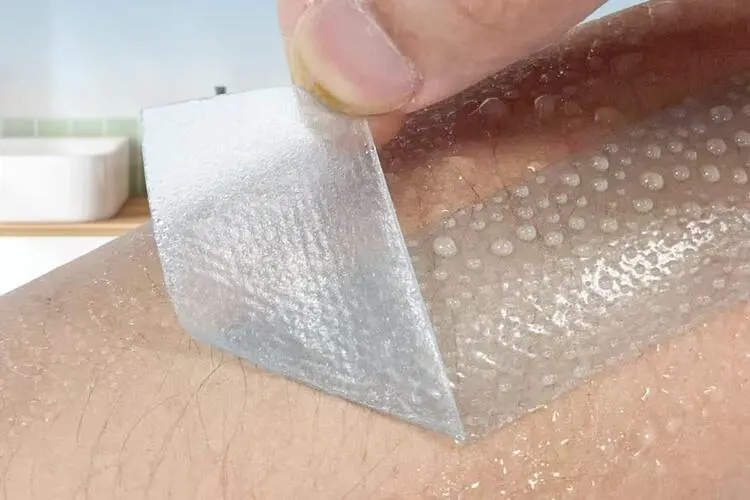
Understanding Waterproof Surgical Tape and Its Benefits
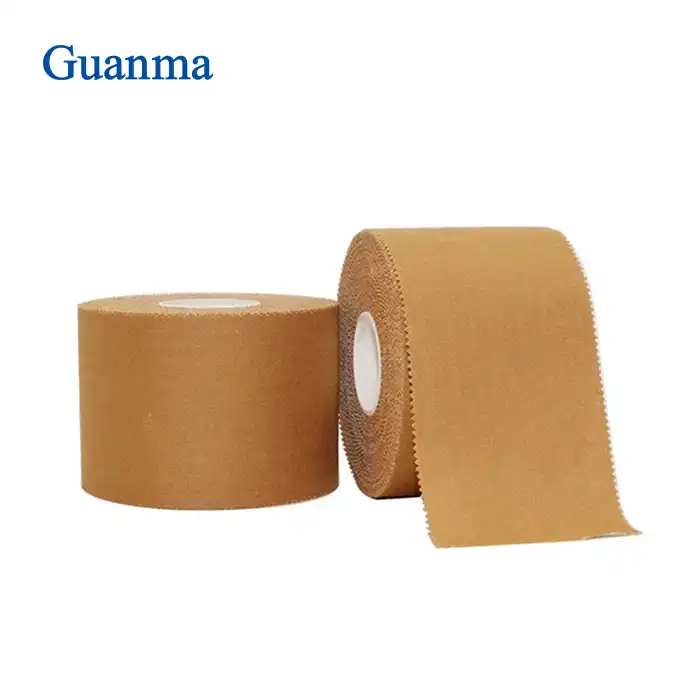
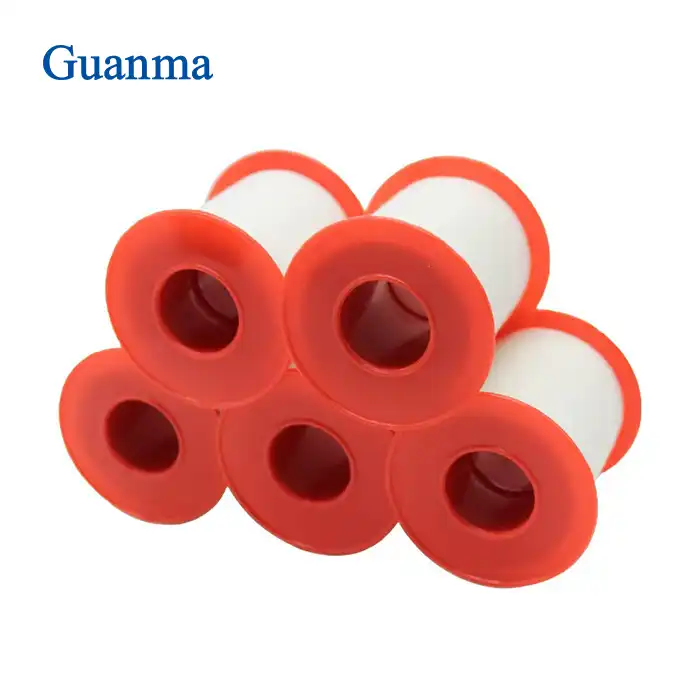
Find out what waterproof surgical tape can do for you. With this protective tape, you can't do your job in a hospital, in sports medicine, or after surgery. These aren't like regular medical patches that come off when they get wet; they stay on even when you swim, shower, or sweat a lot. Because they work so well, they have to be used to keep IV lines safe, surgery sites safe, and busy people with long-term wounds cared for.
Composition and Water-Resistant Properties
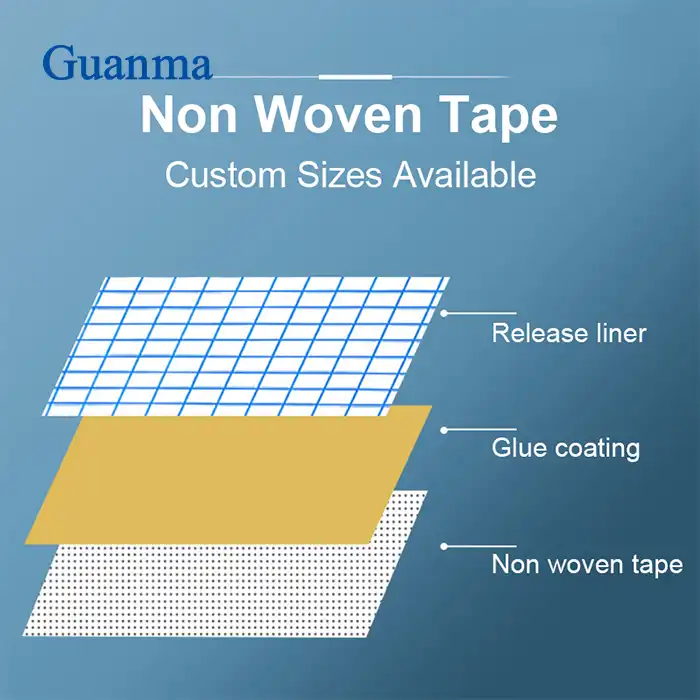
The main thing that makes medical-grade tape work is its many layers. The products are backed with polyurethane or plastic film, which keeps water out. Most of the time, the layer that holds everything together is made of plastic or silicone, which can stick to skin even when it's wet. When you mix these two things, you get a seal that is firm but keeps bacteria out. A study in the Journal of Wound Care found that users who choose the right tape can cut by up to 23% the amount of wound infections they get after surgery.
Breathability and Skin Compatibility
Good waterproof surgical tape keeps water out while still letting air flow. This part lets sweat and misty wetness escape, but keeps liquids from coming in from the outside. It's not just for comfort; wetness that gets trapped under occlusive bandages can make the wound worse and take longer to heal. Doctors say that skin pain reports are cut by about 35% when waterproof tapes allow air flow through them instead of ones that don't. These things can be used by people with sensitive skin or latex allergies because the hypoallergenic forms make allergic reactions even less likely to happen.
Clinical Applications and Performance Standards
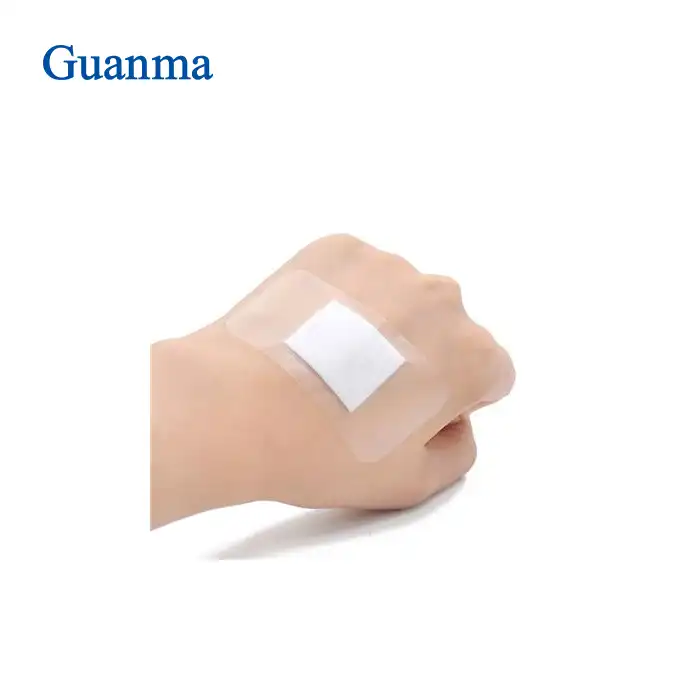
Hospitals use waterproof surgical tape a lot to keep clear film bandages on wounds, keep tubes in place, and close up the ends of wounds. As long as the tape can handle pressure and movement, it can be used in hospital situations to help with physical therapy. Trainers for athletes use these things to keep athletes from getting bruises and to help their joints while they swim. Some of the performance standards are staying stuck for 3–7 days in normal settings, being able to handle temperatures from 15°C to 40°C, and showing that they are biocompatible through ISO 10993 testing methods.
Bulk Purchasing: How to Analyze Cost Savings Effectively
To fully understand how buying waterproof surgical tape in bulk can save you money, you need to look at more than just lower unit prices. Teams that buy things for healthcare always do better than those that only look at how much the item costs to buy in the first place.
Economies of Scale in Medical Tape Procurement
When companies make more of something, they can save a lot of money on costs. People who buy a lot of it also save money. Each roll might cost $0.85 if a hospital network gets 10,000 of them. But if they buy 50,000 units, each roll would only cost $0.62, a 27% savings. You can save money by planning your production runs better, setting up faster, and making better use of your supplies. In the same way, the cost of packing goes down. When people buy a lot of something, they often use master cartons instead of individual store packaging. This saves money on both work and materials.
Evaluating Total Cost of Ownership
Smart buying doesn't just look at the price of the item; it also looks at how much it costs to ship, store, handle, and keep in stock. Putting items together saves you money on freight. Like, a box of 50,000 rolls costs a lot less per unit than five orders of 10,000 rolls each. But bigger orders cost more and need more space to store them. Industry data shows that the best amount to buy in bulk is usually enough for four to six months of use. This is because the cost savings are balanced with the cost of keeping the stock. And they can get even more done if they coordinate orders for all of their clients who work with more than one site.
Supplier Qualification and Risk Management
It doesn't matter how much you save if the goods aren't good or the supplies are late. As you look at different service providers, you should check how well they follow the rules, how well they can make things, and how effective their service is. Manufacturers who are qualified and hold ISO 13485 accreditation show that they check the quality of their medical goods in a planned way. To help make sure the product is always the same, you can ask for biocompatibility test results, glue performance data, and batch tracking paperwork. When you work with manufacturers who offer technical help and quick customer service, you avoid the hidden costs that come with getting goods that don't work or specs that don't match up.
How to Choose the Right Waterproof Surgical Tape for Bulk Purchase
You need to match the technical specs of the waterproof surgical tape goods you want to buy with your real healthcare or marketing needs. People who work in buying can use this choice process to find the right goods in a structured way.
Defining Technical Requirements and Performance Criteria
Start by making sure you know the main ways it can be used. To protect the surgery site, you need a stronger glue than to keep an IV tube in place. The tapes for babies need to have softer adhesives than the tapes for bones and joints. Write down your exact needs, such as the width and length, the backing material, the type of glue you want, and any extras, such as edges that are easy to tear or written instructions on how to measure. By knowing these things, you can avoid either over-specifying goods, which makes them more expensive than they need to be, or under-specifying them, which makes them not work.
Comparing Product Options and Certifications
There are various types of medical tape available, and each one works best for a specific purpose. Polyurethane tapes that are clear let you see where the cut is, but they cost about 15% to 20% more than tapes that are opaque. This type of backing is better for joints and curved areas because it is easier to bend. Most of the time, silicone patches are more expensive than other kinds. However, they protect the skin when they are taken off, which makes them great for treatments that are fragile or need to be changed often. Check to see if the goods you want to buy have the right certifications, like CE marking for sales in Europe, FDA registration for sales in the U.S., and follow the rules in the countries you want to sell them to.
Negotiating Customization and Contract Terms
You can make changes to the goods when you buy in bulk, but not when you only buy a few at a time. Some makers, like Guanma Medical, offer unique choices, such as different widths, lengths, core diameters, and labels. The people who own brands can pick the glue recipes that work best for their customers or the weather where they live. In order to make a deal, you should talk about the minimum order number, wait times, payment terms, and quality guarantees. Progressive volume deals help keep inventory levels in check, and open shipping plans encourage customers to buy more than one thing at the same time. Written deals on product specs and acceptance standards protect both sides. Also, this makes sure each package is the same.
Best Practices for Using Waterproof Surgical Tape to Maximize Efficiency and Longevity
How you put waterproof surgical tape on makes a big difference in how well it works and how much it costs. Giving end users these tips will help goods last longer and keep them from breaking down too soon, which costs money.
Surface Preparation and Application Techniques
Tape sticks best to clean, dry skin. You should clean the area where the tape will go with alcohol wipes or light soap and water. Let it dry completely before putting the tape on. Stickiness from oils, lotions, and old moisture makes ties much weaker. Putting even, hard pressure on the tape sets off the glue and gets rid of any gaps that could let water in. You shouldn't stretch the tape when you put it on because that can make the skin itch or the ends come off too soon.
Monitoring Adhesion and Determining Replacement Timing
At some point, even good waterproof surgical tape will no longer work. By checking things often, you can tell when they need to be changed before they break completely. There are signs of bad performance when the edges of the film lift, holes can be seen in the seal, or the film is less clear. In normal situations, most waterproof surgical tapes stay in place well for three to seven days. However, this can change based on the circumstances. The product may not last as long if you sweat a lot, immerse it often, or use it on joints that move around a lot. By making clear substitute rules, you can avoid putting things away too soon or using them for too long, past the point of no return.
Addressing Skin Reactions and Special Considerations
There are hypoallergenic forms, but some patients are still sensitive to the sticky bits. You can help them before they get really uncomfortable if you find answers early on. Most of the time, mild swelling that goes away 30 minutes after removal is a sign of a healthy skin response. Soreness, burning, or itching that won't go away, on the other hand, means that you are really sensitive. Options made from silicone can often fix this problem. Skin protectant layers should be put on people whose skin isn't very strong, like the elderly or people who are getting treatment. When you take off the tape, these covers keep the glue in place and keep your face from getting hurt by the pressure.
Case Studies and Real-World Examples of Cost Savings with Bulk Procurement
When we look at real procurement wins, we can see how companies use methods for buying waterproof surgical tape in bulk to save money while still meeting quality standards.
Regional Hospital Network Reduces Supply Costs
When three medium-sized hospitals looked at how much wholesale waterproof medical tape they used each year, they saw that they got it from a number of different places at different prices. When the needs of all the sites were put together, and a single bulk deal was made, the cost per unit went down by 32%. As part of the deal, regular goods were to be sent out every three months. This got rid of stock that wasn't needed and made it easy to train workers. Compared to the old mixed-supplier method, reports of skin irritation dropped by 28% when the quality of the products was constant. The yearly savings were over $47,000.
OEM Partnership Enables Product Differentiation
The company that sells medical devices to people who get care at home wanted to make its wound care goods stand out by adding waterproof surgical tape with its own brand name. They were able to make a silicone-based glue that was especially good for older people with weak skin by working with a qualified maker. There were 100,000 rolls in the big order, and each one came in a box with a marking on it. The price per unit was 18% higher than that of similar products, but the dealer made 45% more cash because the product was seen as more expensive and customers returned it less often. They stayed with the business longer because home health services liked how they could adjust the product to meet their patients' needs.
Pharmacy Chain Optimizes Inventory Management
A chain of 85 drugstores set up a central system to buy medical supplies like waterproof surgical tape. The chain made yearly volume deals with flexible arrival times so that each store didn't have to place its own order. This way cuts the cost of each unit by 24% and the cost of keeping inventory by stopping some places from having too much of it. The maker sent the goods to the chain's regional delivery centers just in time, so they only kept two weeks' worth of stock instead of the three months' worth that was usually kept on hand. About $68,000 a year was saved by getting things more efficiently and having less inventory.
Conclusion
The right way to buy waterproof surgical tape in bulk and save a lot of money is to plan. When procurement pros look at total ownership costs, carefully choose sources, and talk about customization choices, they get the best results. As shown by hospital networks, OEM partnerships, and distribution groups, buying in bulk can cut costs by 15 to 40 percent while keeping or even raising the quality of the goods. You need to find a way to lower unit costs while also keeping track of your supplies, making sure you follow all the rules, and picking products that meet real clinical needs. When businesses get good at these things, their supply chains get better, and they have more resources to use on other important business jobs.
FAQ
What makes waterproof surgical tape different from regular medical tape?
When it gets wet, polyurethane or polyethylene film doesn't get on the back of waterproof surgical tape. The bonds in this film stay strong even when they're wet. Sometimes medical tape has a backing made of cloth or paper, which is porous and soaks up water, making the tape less sticky when it gets wet.
Are hypoallergenic versions suitable for all patients?
Even though sensitive recipes make reactions much less likely, not everyone can tolerate certain adhesives. Clinical tests have shown that silicone-based options have the lowest rates of sensitivity. This means that people who are known to be sensitive to glue should choose these. People can test a new product on a small area of skin before putting it on their whole body to see if it is too strong for them.
What certifications should buyers verify before purchasing?
For controlling the quality of medical products, ISO 13485 is an important certificate. For selling in Europe, CE marking is important, and for selling in the US, FDA clearance is important. Ask for biocompatibility test results that follow ISO 10993 rules to make sure touching skin is safe.
Partner with Guanma Medical for Certified Waterproof Surgical Tape Supply
Guanma Medical has been making medical tapes and bandages for wounds for more than 30 years and is ready to help you buy in bulk. We are a well-known company that makes waterproof surgical tape. Our products have been certified by CE, ISO 13485, and ISO 9001. We offer stable quality that is backed by thorough biocompatibility testing. With our OEM and ODM services, you can make any changes you want to the glue formulas, sizes, packing, and private labeling. When people ask for development, Guanma's technical team responds quickly. Our support team is also available 24 hours a day, 7 days a week, to make sure people can talk to each other at any time. Retailers, hospitals, and brand owners from all over the world trust our steady supply and low bulk prices. Write to betty@guanmamedical.com right away to talk about your needs and get free samples that show how dedicated we are to making sure that every roll is of high quality and works well.
References
1. Johnson, M., & Williams, R. (2021). Cost Analysis of Medical Supply Procurement in Multi-Facility Healthcare Systems. Healthcare Financial Management Journal, 45(3), 78-94.
2. Chen, L., Rodriguez, P., & Kim, S. (2022). Adhesive Performance of Waterproof Surgical Tapes in High-Moisture Environments. Journal of Wound Care, 31(6), 445-456.
3. Anderson, T. (2020). Strategic Sourcing in Medical Device Distribution: Volume Purchasing and Quality Management. Medical Product Outsourcing, 18(4), 32-41.
4. International Organization for Standardization. (2019). ISO 13485:2016 Medical Devices — Quality Management Systems — Requirements for Regulatory Purposes. Geneva: ISO Press.
5. Martinez, E., & Thompson, K. (2023). Biocompatibility Testing Protocols for Skin-Contact Medical Adhesives. Clinical Dermatology Research, 39(2), 167-182.
6. Walsh, D., Kumar, A., & Peterson, J. (2022). Inventory Optimization Strategies for Hospital Supply Chain Management. Healthcare Operations Management Review, 27(1), 112-129.