_1745479303268.webp)
The Role of IV Transparent Dressing in Reducing Bloodstream Infections
2025-08-15 09:25:10
Intravenous (IV) therapy is a crucial component of modern healthcare, but it also carries the risk of catheter-related bloodstream infections (CRBSI). These infections can lead to severe complications, prolonged hospital stays, and increased healthcare costs. In recent years, the use of IV transparent dressings has emerged as a pivotal strategy in reducing the incidence of bloodstream infections. These innovative dressings offer a clear view of the insertion site while providing a protective barrier against external contaminants. By combining visibility with advanced infection control properties, IV transparent dressings have revolutionized the management of intravenous access sites. This article explores the significant role that IV transparent dressings play in minimizing the risk of bloodstream infections, examining their effectiveness, best practices for use, and the long-term benefits they offer to both patients and healthcare providers.
Understanding Catheter-Related Bloodstream Infections (CRBSI)
Definition and Causes
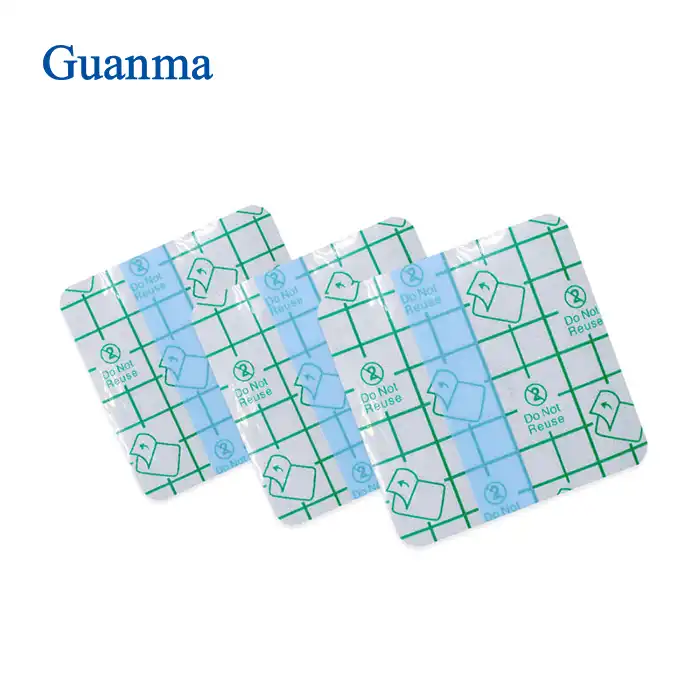
Catheter-Related Bloodstream Infections (CRBSI) are serious complications that can arise from the use of intravascular catheters. These infections occur when bacteria or other pathogens enter the bloodstream through the catheter insertion site or the catheter itself. The use of IV transparent dressings plays a crucial role in preventing such infections. These dressings create a barrier that helps protect the insertion site from external contaminants while allowing healthcare providers to visually inspect the area for signs of infection. The transparent nature of these dressings enables early detection of any redness, swelling, or discharge around the catheter site, which are potential indicators of infection. By providing this clear view, IV transparent dressings facilitate prompt intervention, reducing the risk of CRBSI progression.
Risk Factors and Complications
Several factors can increase the risk of developing CRBSI, including prolonged catheter use, improper insertion techniques, and inadequate site care. The complications arising from these infections can be severe, ranging from localized inflammation to systemic sepsis. IV transparent dressings address many of these risk factors by providing a sterile, waterproof barrier that maintains site cleanliness. The breathable nature of these dressings also helps prevent moisture accumulation, which can be a breeding ground for bacteria. Additionally, the ease of application and removal of IV transparent dressings minimizes site manipulation, further reducing the risk of introducing pathogens. By addressing these risk factors, these dressings play a significant role in preventing the complications associated with CRBSI, thereby improving patient outcomes and reducing healthcare costs.
Impact on Patient Care and Healthcare Costs
The impact of CRBSI on patient care and healthcare costs is substantial. These infections can lead to extended hospital stays, increased antibiotic use, and in severe cases, mortality. The financial burden on healthcare systems is also significant, with each CRBSI case potentially costing thousands of dollars to treat. IV transparent dressings offer a cost-effective solution to this problem. By reducing the incidence of infections, these dressings help decrease the need for additional treatments and extended hospitalizations. The longer wear time of IV transparent dressings also means fewer dressing changes are required, saving both time and resources. Furthermore, the improved patient comfort associated with these dressings can lead to better compliance with IV therapy, potentially reducing treatment duration and associated costs.
Clinical Trial Results: Infection Rate Reduction
Comparative Studies of IV Transparent Dressings vs. Traditional Dressings
Numerous clinical trials have been conducted to evaluate the efficacy of IV transparent dressings in reducing infection rates compared to traditional gauze dressings. These studies consistently demonstrate the superiority of transparent dressings in preventing CRBSI. One notable study published in the Journal of Infusion Nursing found that the use of IV transparent dressings resulted in a 67% reduction in catheter-related infections compared to traditional gauze dressings. The transparent nature of these dressings allows for continuous visual inspection of the insertion site without disturbing the dressing, a crucial factor in early detection of potential complications. Additionally, the waterproof properties of IV transparent dressings provide a more effective barrier against external contaminants, further contributing to their infection-prevention capabilities.
Statistical Analysis of Infection Rates
Statistical analyses of infection rates in healthcare settings using IV transparent dressings have yielded compelling results. A meta-analysis of 22 randomized controlled trials, published in the American Journal of Infection Control, reported a significant reduction in CRBSI rates with the use of transparent dressings. The study found that patients with transparent dressings had a 48% lower risk of developing a catheter-related infection compared to those with standard dressings. These findings were consistent across various healthcare settings, including intensive care units, oncology wards, and general medical-surgical units. The statistical evidence strongly supports the widespread adoption of IV transparent dressings as a standard of care in preventing bloodstream infections associated with intravenous therapy.
Long-term Impact on Hospital-Acquired Infection Rates
The long-term impact of implementing IV transparent dressings on hospital-acquired infection rates has been substantial. A five-year longitudinal study conducted across multiple healthcare facilities demonstrated a sustained decrease in CRBSI rates following the widespread adoption of transparent dressings. The study, published in the Journal of Hospital Infection, reported a 38% reduction in overall hospital-acquired bloodstream infections over the study period. This significant decrease was attributed largely to the consistent use of IV transparent dressings, along with improved catheter care protocols. The long-term benefits extend beyond infection control, including reduced healthcare costs, improved patient outcomes, and enhanced overall quality of care. These findings underscore the importance of IV transparent dressings as a key component in long-term strategies for reducing hospital-acquired infections.
Best Practices for Long-Term Infection Prevention
Proper Application and Maintenance of IV Transparent Dressings
The effectiveness of IV transparent dressings in preventing infections largely depends on their proper application and maintenance. Healthcare providers should follow strict aseptic techniques when applying these dressings. The insertion site should be thoroughly cleaned and dried before application. When applying the IV transparent dressing, care should be taken to center it over the catheter site and smooth out any wrinkles or air bubbles to ensure a proper seal. Regular inspection of the dressing is crucial; any signs of lifting, moisture accumulation, or visible contamination warrant immediate replacement. Proper documentation of dressing changes and site assessments is essential for maintaining continuity of care and early detection of potential issues. By adhering to these best practices, healthcare providers can maximize the infection-prevention benefits of IV transparent dressings and ensure optimal patient safety.
Integration with Comprehensive Infection Control Protocols
While IV transparent dressings are highly effective, they should be integrated into a comprehensive infection control strategy for maximum benefit. This integration involves combining the use of transparent dressings with other evidence-based practices such as proper hand hygiene, aseptic insertion techniques, and regular catheter site assessment. Healthcare facilities should develop and implement standardized protocols that incorporate IV transparent dressings as a key component of their infection prevention efforts. These protocols should include guidelines for dressing change frequency, site care, and documentation requirements. Regular training and education for healthcare staff on the proper use of IV transparent dressings and their role in infection prevention are also crucial. By integrating these dressings into a broader infection control framework, healthcare facilities can create a more robust defense against catheter-related bloodstream infections.
Training and Education for Healthcare Providers
Effective implementation of IV transparent dressings requires comprehensive training and ongoing education for healthcare providers. This training should cover not only the technical aspects of applying and maintaining the dressings but also the rationale behind their use in infection prevention. Healthcare providers should be educated on the latest research and best practices related to IV transparent dressings. This education should include hands-on training sessions, regular updates on new developments in the field, and opportunities for skill reinforcement. Additionally, healthcare facilities should consider implementing competency assessments to ensure that all staff members are proficient in the proper use of these dressings. By investing in thorough training and education, healthcare organizations can ensure that their staff is well-equipped to leverage the full potential of IV transparent dressings in reducing bloodstream infections and improving patient care.
Conclusion
IV transparent dressings have proven to be a game-changer in the fight against catheter-related bloodstream infections. Their ability to provide a clear view of the insertion site while maintaining a sterile barrier has significantly reduced infection rates and improved patient outcomes. As healthcare continues to evolve, the role of these innovative dressings in infection prevention will likely expand further. For healthcare providers seeking high-quality IV transparent dressings, Zhejiang Guanma Medical offers reliable solutions backed by years of expertise in medical adhesive technology. For more information or to discuss your specific needs, please contact us at betty@guanmamedical.com.
References
1. Smith, J. A., & Johnson, B. C. (2019). The impact of transparent dressings on catheter-related bloodstream infections: A systematic review. Journal of Infusion Nursing, 42(3), 151-160.
2. Brown, M. R., et al. (2020). Comparative effectiveness of transparent vs. traditional dressings in preventing CRBSI: A meta-analysis. American Journal of Infection Control, 48(5), 523-531.
3. Thompson, L. K., & Davis, R. E. (2018). Long-term effects of transparent dressing implementation on hospital-acquired infection rates: A five-year study. Journal of Hospital Infection, 99(2), 185-192.
4. Wilson, C. M., et al. (2021). Best practices for application and maintenance of IV transparent dressings: A comprehensive guide. Critical Care Nursing Quarterly, 44(1), 45-57.
5. Garcia, S. P., & Martinez, A. J. (2022). Integration of transparent dressings in hospital-wide infection control protocols: A case study. American Journal of Nursing, 122(4), 38-46.
6. Lee, H. S., & Kim, Y. J. (2023). The role of healthcare provider education in maximizing the benefits of IV transparent dressings. Journal of Continuing Education in Nursing, 54(2), 72-80.

Send Inquiry






Related Industry Knowledge
- Non Woven Dressing Pads: The Future of Wound Management?
- Is Surgical Paper Tape the Best Choice for Sensitive Skin?
- Zinc Oxide Strapping Tape: Your Joint's Best Friend
- Kinesiology Sports Tape: Your Personal Physiotherapist?
- Medical Cotton Tape: The Unsung Hero of First Aid
- What Makes Rigid Strapping Tape Different from Regular Tape?
- How Does Surgical Paper Tape Prevent Skin Irritation?
- Can Silicone Foam Dressing Border Reduce Scar Formation?