_1745479303268.webp)
Cold Seal Paper as a Cost Effective Alternative to Heat Seal Methods
2026-01-15 09:37:21
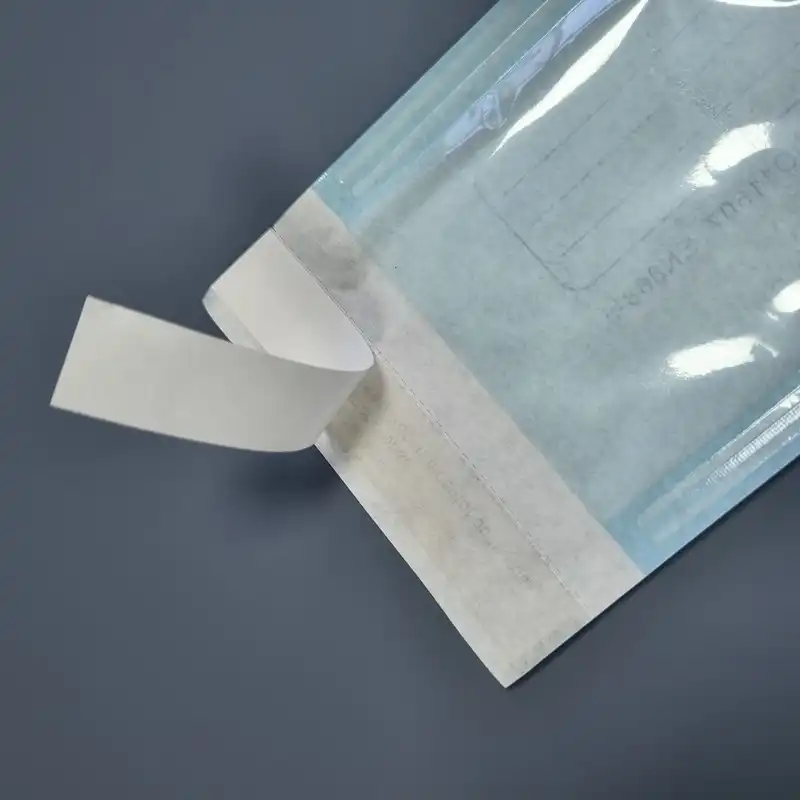
Cold seal paper represents a revolutionary sealing technology that eliminates heat requirements while delivering exceptional performance through pressure-activated adhesives. This innovative packaging solution addresses the growing demand for energy-efficient, cost-effective sealing methods in medical device packaging, pharmaceutical applications, and various healthcare product manufacturing. Unlike traditional heat seal methods that consume substantial energy and require complex temperature control systems, cold seal paper activates instantly under mechanical pressure, reducing operational costs and improving production efficiency. The pressure-sensitive adhesive technology offers reliable bonding strength while maintaining product integrity, making it an ideal choice for sensitive medical applications where heat exposure could compromise product safety or packaging materials.

Understanding Cold Seal Paper and Its Working Principles
Pressure-Activated Adhesive Technology
The foundation of cold seal paper lies in its sophisticated pressure-activated adhesive formulation. These specialized adhesives contain cohesive compounds that bond instantly when subjected to mechanical pressure, creating a permanent seal without requiring thermal activation. The adhesive coating consists of tackifying resins, elastomers, and specialized polymers that maintain their bonding properties across varying environmental conditions.
This technology eliminates the need for heating elements, temperature sensors, and complex thermal control systems typically required in heat sealing operations. The pressure-sensitive mechanism allows for consistent seal strength regardless of ambient temperature variations, providing manufacturers with greater operational flexibility and reduced equipment complexity.
Key Performance Properties
Cold seal paper demonstrates exceptional adhesion strength comparable to traditional heat seal methods while offering enhanced flexibility and durability. The material exhibits excellent barrier properties, protecting packaged contents from moisture, oxygen, and other environmental factors that could compromise product quality. These characteristics make cold seal paper particularly suitable for medical device packaging where product sterility and integrity are paramount.
The paper substrate provides excellent printability, allowing manufacturers to incorporate branding, regulatory information, and product identification directly onto packaging materials. This capability reduces the need for additional labeling processes and supports streamlined production workflows.
Limitations of Heat Seal Methods and Introduction to Cold Seal Solutions
Energy Consumption and Operational Challenges
Traditional heat seal methods present significant challenges that impact manufacturing efficiency and operational costs. Heat sealing equipment requires substantial energy consumption to maintain optimal sealing temperatures, contributing to elevated utility expenses and increased carbon footprint. The thermal activation process demands precise temperature control systems, adding complexity to equipment maintenance and operation.
Heat seal operations often experience slower throughput speeds due to heating and cooling cycles required for each sealing operation. This limitation becomes particularly problematic in high-volume production environments where efficiency directly impacts profitability. Additionally, heat exposure can damage temperature-sensitive products or packaging materials, limiting application versatility.
Cold Seal Process Advantages
Cold seal solutions address these operational challenges through mechanical pressure activation that eliminates heating requirements entirely. The sealing process occurs instantaneously upon pressure application, significantly reducing cycle times and increasing production throughput. This efficiency improvement translates to measurable cost savings through enhanced productivity and reduced energy consumption.
The simplified sealing mechanism minimizes equipment complexity and maintenance requirements. Cold seal systems operate with fewer mechanical components, reducing potential failure points and extending equipment lifespan. This reliability advantage proves particularly valuable in continuous production environments where downtime directly impacts operational efficiency.
Case studies from pharmaceutical packaging operations demonstrate up to 30% reduction in sealing-related energy costs when transitioning from heat seal to cold seal methods. These documented savings reflect both direct energy cost reductions and indirect benefits from improved production efficiency and reduced maintenance requirements.
Comparison of Cold Seal Paper with Heat Seal and Other Sealing Materials
Performance Benchmarking Analysis
When evaluating sealing material performance, cold seal paper consistently demonstrates comparable or superior seal strength to traditional heat seal alternatives. Independent testing reveals that pressure-activated adhesives achieve bond strengths exceeding 2.5 pounds per linear inch, meeting or surpassing industry standards for medical packaging applications. The seal integrity remains stable across temperature variations and extended storage periods, ensuring long-term product protection.
Compared to adhesive sealants and other pressure-sensitive materials, cold seal paper offers superior clean release properties and reduced residue formation. This characteristic proves essential in medical applications where contamination risks must be minimized and packaging materials require easy removal without leaving adhesive residues on products.
Selection Criteria and Customization Options
Optimal cold seal paper selection depends on specific packaging requirements including product compatibility, desired seal strength, and environmental exposure conditions. Manufacturers can choose from various paper grades, adhesive formulations, and surface treatments to match specific application needs. Customization options include specialized printability treatments, barrier coatings, and adhesive strength modifications.
The material selection process should consider factors such as package geometry, storage conditions, and regulatory requirements. Medical device manufacturers must ensure selected materials meet biocompatibility standards and regulatory compliance requirements including FDA and CE marking specifications. These considerations guide procurement decisions toward suppliers who demonstrate comprehensive testing capabilities and regulatory expertise.
Environmental Impact and Industry Trends of Cold Seal Paper
Sustainability and Regulatory Compliance
Environmental sustainability has become a critical factor in packaging material selection, driving increased adoption of eco-friendly alternatives. Cold seal paper aligns with sustainability initiatives through reduced energy consumption, enhanced recyclability, and biodegradable adhesive options. The elimination of heat requirements significantly reduces carbon footprint compared to thermal sealing processes.
Many cold seal paper formulations incorporate renewable raw materials and water-based adhesive systems that minimize environmental impact. The paper substrate provides excellent recyclability compared to plastic-based sealing materials, supporting circular economy principles and waste reduction goals. Compliance with international environmental standards including FDA food contact regulations and EU packaging directives strengthens the environmental credentials of cold seal solutions.
Industry Adoption Trends
Healthcare packaging sectors demonstrate accelerating adoption of cold seal technology driven by stringent safety requirements and sustainability mandates. Pharmaceutical companies increasingly specify cold seal materials for drug packaging applications where temperature sensitivity and sterility requirements favor pressure-activated sealing methods. Medical device manufacturers recognize the advantages of cold seal systems for maintaining product integrity while achieving cost-effective packaging solutions.
Technological innovations continue expanding cold seal paper applications through improved adhesive formulations and enhanced barrier properties. Recent developments include antimicrobial surface treatments and specialized adhesive chemistries designed for specific medical applications. These innovations position cold seal paper as a forward-looking choice for manufacturers seeking competitive advantages through advanced packaging technologies.
Procurement and Selection Guide for Cold Seal Paper
Supplier Evaluation Criteria
Effective procurement of cold seal paper requires comprehensive supplier assessment focusing on technical capabilities, quality certifications, and supply chain reliability. Qualified suppliers should demonstrate ISO 13485 certification for medical device applications, validating their quality management systems and regulatory compliance capabilities. Additional certifications including CE marking and FDA compliance documentation ensure materials meet international safety standards.
Technical evaluation should include adhesive performance testing, biocompatibility validation, and shelf-life stability studies. Reliable suppliers provide comprehensive testing data including peel strength measurements, aging studies, and compatibility assessments with specific product types. This documentation supports regulatory submissions and quality assurance requirements essential for medical applications.
Customization and Service Capabilities
Leading suppliers offer extensive customization services including adhesive formulation modification, specialized printing capabilities, and tailored packaging solutions. These services enable manufacturers to optimize packaging performance while maintaining brand identity through custom printing and sizing options. Flexible manufacturing capabilities support both small-scale prototyping and large-volume production requirements.
Supply chain considerations include geographical proximity, inventory management capabilities, and logistics support. Suppliers with established distribution networks ensure consistent product availability and timely delivery schedules. Technical support services including application engineering and troubleshooting assistance provide additional value for manufacturers implementing cold seal solutions.
Guanma Medical: Your Trusted Cold Seal Paper Manufacturer
Guanma Medical brings over 30 years of expertise in pressure-sensitive adhesive technology and medical packaging solutions to serve global healthcare manufacturers. Our comprehensive understanding of medical adhesive tapes and wound care dressings extends naturally to cold seal paper applications, where precision adhesive coating and biocompatibility requirements align with our core competencies.
Our manufacturing facility maintains strict adherence to international quality standards including CE, ISO 13485, and ISO 9001 certifications, ensuring every cold seal paper product meets the rigorous requirements of medical and healthcare applications. The same biocompatibility testing protocols we apply to medical adhesive tapes guarantee that our cold seal solutions are safe for direct contact with sensitive medical products and pharmaceutical packaging.
Guanma Medical's OEM and ODM capabilities enable comprehensive customization of cold seal paper solutions including adhesive formulation adjustments, specialized sizing, custom printing, and private label packaging. Our experienced technical team collaborates closely with clients to develop tailored solutions that meet specific application requirements while maintaining regulatory compliance and cost-effectiveness.
The advantages of partnering with Guanma Medical include our proven track record in medical applications, responsive 24/7 support services, and commitment to long-term value creation. Our global supply chain capabilities ensure reliable product availability and consistent quality, supporting your business growth across international markets. Whether you require small-batch customization or large-volume production, our flexible manufacturing approach adapts to your specific business needs.
Conclusion
Cold seal paper emerges as a compelling alternative to traditional heat seal methods, offering significant cost savings through reduced energy consumption and improved operational efficiency. The pressure-activated adhesive technology provides reliable sealing performance while eliminating the complexity and maintenance requirements associated with thermal sealing systems. These advantages prove particularly valuable for medical and pharmaceutical packaging applications where product integrity and cost-effectiveness are essential considerations. The growing industry trend toward sustainable packaging solutions further reinforces the strategic value of cold seal paper adoption.
FAQ
What industries benefit most from cold seal paper applications?
Medical device packaging, pharmaceutical applications, and healthcare product manufacturing represent the primary beneficiaries of cold seal technology. These industries require sterile packaging conditions, temperature-sensitive product protection, and regulatory compliance capabilities that align perfectly with cold seal paper characteristics. The elimination of heat exposure prevents product degradation while maintaining packaging integrity.
How does cold seal paper improve packaging line productivity?
Cold seal paper eliminates heating and cooling cycles required in thermal sealing processes, reducing cycle times by up to 40% in typical applications. The instantaneous pressure activation enables continuous operation without temperature stabilization delays. This efficiency improvement translates to increased throughput and reduced per-unit packaging costs.
Does cold seal paper meet regulatory requirements for medical applications?
Quality cold seal paper materials comply with FDA regulations, CE marking requirements, and ISO standards relevant to medical packaging applications. Biocompatibility testing validates safety for product contact, while sterile packaging compatibility ensures suitability for medical device applications. Proper supplier certification and documentation support regulatory compliance requirements.
Partner with Guanma Medical for Cold Seal Paper Solutions
Guanma Medical stands ready to support your transition to cost-effective cold seal paper solutions with our proven expertise in medical adhesive technologies and regulatory compliance. Our cold seal paper manufacturer capabilities combine decades of pressure-sensitive adhesive experience with comprehensive customization services tailored to medical and healthcare applications. Contact betty@guanmamedical.com today to discuss your specific requirements and receive free samples demonstrating our cold seal paper performance advantages. Our technical team provides expert consultation to optimize your packaging processes while ensuring regulatory compliance and cost-effectiveness across your product lines.
References
1. International Association of Packaging Research. "Pressure-Sensitive Adhesive Technologies in Medical Packaging Applications." Journal of Medical Packaging Science, 2023.
2. Healthcare Packaging Institute. "Energy Efficiency Analysis of Cold Seal vs. Heat Seal Methods in Pharmaceutical Manufacturing." Pharmaceutical Packaging Technology Review, 2022.
3. European Medical Device Packaging Standards Committee. "Regulatory Compliance Guidelines for Pressure-Activated Sealing Materials." Medical Device Packaging Regulations Handbook, 2023.
4. American Society of Packaging Professionals. "Sustainability Impact Assessment of Cold Seal Paper in Healthcare Applications." Sustainable Packaging Research Quarterly, 2022.
5. Global Medical Packaging Research Foundation. "Biocompatibility and Safety Evaluation of Pressure-Sensitive Adhesives for Medical Applications." Medical Packaging Safety Standards, 2023.
6. International Cold Seal Technology Consortium. "Performance Benchmarking Study: Cold Seal vs. Traditional Sealing Methods in Medical Device Packaging." Advanced Packaging Technologies Journal, 2022.