_1745479303268.webp)
Is Silk Surgical Tape Better Than Paper and Plastic Alternatives?
2026-01-21 10:04:45
Silk surgical tape demonstrates superior performance compared to paper and plastic alternatives in multiple critical areas. Its natural fiber composition provides exceptional breathability and hypoallergenic properties, making it ideal for sensitive skin applications and extended wear scenarios. While paper tapes offer cost advantages and plastic alternatives provide waterproof capabilities, silk surgical tape excels in patient comfort, adhesion consistency, and reduced allergic reactions, positioning it as the premium choice for demanding clinical environments.
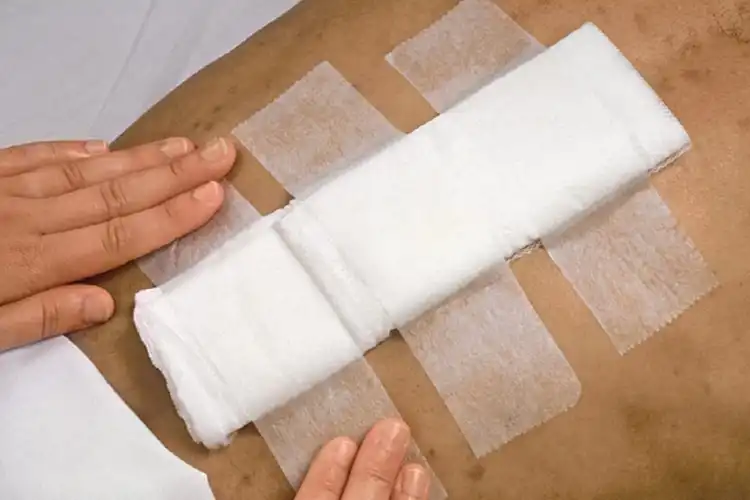
Understanding Silk Surgical Tape and Its Key Characteristics
Silk surgical tape represents a premium category of medical adhesives, composed primarily of natural silk fibers that undergo specialized processing to achieve medical-grade standards. This natural composition grants the tape exceptional breathability, allowing air circulation that promotes healing while preventing moisture accumulation beneath the adhesive surface.
Material Properties and Construction
The foundational structure of silk medical tape consists of woven silk fibers treated with hypoallergenic adhesives that maintain strong bonding capabilities without compromising skin integrity. The natural protein structure of silk provides inherent antimicrobial properties, reducing the risk of infection at application sites while maintaining gentle contact with sensitive skin areas.
Silk fibers possess unique elastic properties that allow the tape to conform naturally to body contours and movement patterns. This flexibility prevents the pulling and tension that commonly occurs with rigid tape materials, significantly improving patient comfort during extended wear periods. The material's natural strength ensures reliable adhesion without requiring excessive pressure during application.
Breathability and Moisture Management
The porous nature of silk fabric facilitates superior air permeability compared to synthetic alternatives. This breathability becomes particularly important in wound care applications where moisture control directly impacts healing outcomes. Clinical studies demonstrate that proper air circulation reduces maceration risks and maintains optimal wound healing environments.
Moisture management capabilities extend beyond simple permeability to include moisture-wicking properties that draw excess fluid away from the skin surface. This characteristic proves especially valuable in applications involving perspiration or wound drainage, where moisture accumulation could compromise adhesion or create bacterial growth conditions.
Hypoallergenic Properties and Biocompatibility
Natural silk proteins exhibit excellent biocompatibility with human skin, minimizing allergic reactions and skin sensitization incidents. This compatibility stems from the similarity between silk proteins and human skin proteins, creating a harmonious interface that reduces inflammatory responses commonly associated with synthetic materials.
The hypoallergenic nature of silk surgical tape makes it particularly suitable for patients with known skin sensitivities or those requiring long-term tape applications. Healthcare facilities report significantly lower incidences of contact dermatitis and adhesive-related skin injuries when utilizing silk-based medical tapes compared to synthetic alternatives.
Comparing Silk Surgical Tape with Paper and Plastic Alternatives
The medical tape market offers three primary material categories, each designed to address specific clinical requirements and cost considerations. Understanding the performance characteristics of silk, paper, and plastic surgical tapes enables procurement professionals to make informed decisions based on application requirements and budget constraints.
Adhesion Performance and Durability
Silk surgical tape provides consistent adhesion strength that adapts to skin movement without losing bonding integrity. The natural fiber structure creates multiple contact points with the skin surface, distributing adhesive forces evenly and reducing the likelihood of edge lifting or premature failure. This performance characteristic proves particularly valuable in applications requiring extended wear periods or exposure to patient movement.
Paper-based surgical tapes offer reliable adhesion for short-term applications and demonstrate excellent conformability to irregular surfaces. However, their susceptibility to moisture degradation limits their effectiveness in humid environments or applications involving wound drainage. The paper substrate can lose structural integrity when exposed to excessive moisture, leading to adhesive failure and potential contamination risks.
Plastic surgical tapes excel in waterproof applications and provide robust adhesion strength suitable for securing medical devices and equipment. Their synthetic composition resists moisture penetration and maintains adhesive properties in challenging environmental conditions. However, the rigid nature of plastic substrates can create pressure points and skin irritation during extended wear periods.
Comfort and Patient Experience
Patient comfort represents a crucial factor in tape selection, particularly for applications involving conscious patients or extended treatment periods. Silk surgical tape consistently receives superior patient satisfaction ratings due to its soft texture and natural conformability. The material moves naturally with skin and body contours, reducing the pulling sensation that commonly occurs with rigid tape materials.
The breathable nature of silk prevents the clammy sensation often reported with occlusive tape materials. Patients describe silk tape as feeling more natural and less noticeable compared to plastic alternatives, leading to improved compliance in applications requiring patient cooperation.
Paper tapes offer moderate comfort levels but can become uncomfortable when wet or during extended wear periods. The paper substrate may develop rough edges or begin to deteriorate, creating potential skin irritation points. Plastic tapes often produce the lowest comfort ratings due to their rigid nature and tendency to create pressure points on the skin surface.
Cost Analysis and Value Considerations
From a procurement perspective, initial cost per unit represents only one component of the total value equation. Silk surgical tape typically commands premium pricing due to its natural material composition and specialized manufacturing requirements. However, this initial cost investment often translates to reduced overall expenses through decreased reapplication needs and lower incidence of adverse skin reactions.
Paper surgical tapes offer the most economical initial cost structure, making them attractive for high-volume, short-term applications. Their cost advantage becomes particularly significant in applications where tape remains in place for less than 24 hours and moisture exposure remains minimal.
Plastic surgical tapes occupy a middle ground in pricing while offering specific performance advantages in waterproof applications. The total cost analysis must consider application duration, reapplication frequency, and potential costs associated with skin complications or adhesive failures.
Regulatory Compliance and Quality Standards
All surgical tape materials must meet stringent regulatory requirements, including biocompatibility testing and quality management standards. Silk surgical tapes undergo comprehensive testing protocols to ensure consistency with natural material variations and maintain predictable performance characteristics.
The regulatory pathway for silk medical products often involves additional testing requirements related to natural material sourcing and processing consistency. Reputable manufacturers maintain detailed traceability records and implement rigorous quality control measures to ensure batch-to-batch consistency.
Paper and plastic surgical tapes benefit from well-established manufacturing processes and regulatory frameworks. These materials often demonstrate more predictable regulatory approval timelines due to their synthetic composition and standardized production methods.
How to Choose the Right Surgical Tape for Your Applications
Selecting optimal surgical tape requires a systematic evaluation of application requirements, patient populations, and operational constraints. The decision framework should encompass technical performance criteria, cost considerations, and regulatory compliance requirements specific to each intended use case.
Application Environment Assessment
The clinical environment significantly influences tape performance and longevity. High-moisture environments favor silk or plastic materials over paper alternatives, while applications requiring frequent cleaning or sterilization may benefit from plastic options. Temperature variations and chemical exposure potential also impact material selection decisions.
Wound care applications demand careful consideration of exudate levels and healing phase requirements. Silk surgical tape excels in applications where breathability promotes healing, while plastic options may be necessary for waterproof barriers or device securement applications.
Patient Population Considerations
Patient demographics and skin sensitivity profiles influence tape selection decisions. Elderly patients often benefit from the gentle adhesion and hypoallergenic properties of silk surgical tape, while pediatric applications may require specialized formulations regardless of substrate material.
Patients with known adhesive allergies or skin conditions typically require hypoallergenic options, making silk surgical tape a preferred choice. The natural biocompatibility of silk reduces the risk of adverse reactions while maintaining necessary adhesion strength.
Duration and Performance Requirements
Short-term applications lasting less than 24 hours may utilize cost-effective paper options without compromising patient outcomes. Medium-duration applications spanning several days often benefit from silk tape's superior comfort and consistent adhesion performance.
Extended wear applications requiring tape placement for a week or longer typically justify the premium cost of silk surgical tape through reduced reapplication needs and improved patient tolerance. The natural breathability and hypoallergenic properties become increasingly important as wear duration extends.
Budget and Volume Considerations
Procurement volumes significantly impact unit costs and supplier selection options. Large-volume purchasers often negotiate favorable pricing for premium materials like silk surgical tape, reducing the cost differential compared to alternative materials.
Budget allocation should consider the total cost of ownership rather than the initial purchase price alone. Applications prone to adhesive failures or skin complications may justify premium material selection through reduced overall treatment costs and improved patient outcomes.
Industry Insights: Supplier Landscape and Brand Considerations
The surgical tape industry encompasses established multinational corporations alongside specialized manufacturers focused on specific material technologies. Understanding supplier capabilities, quality systems, and market positioning enables informed vendor selection decisions that align with organizational requirements and risk tolerance levels.
Major Market Players and Positioning
Established brands like 3M Medical, Johnson & Johnson, and Medline Industries dominate the surgical tape market through comprehensive product portfolios and extensive distribution networks. These companies invest heavily in research and development while maintaining robust quality management systems that ensure consistent product performance.
Specialized manufacturers often focus on particular material technologies or niche applications, providing innovative solutions and customization capabilities not available from larger suppliers. These companies frequently offer more flexible minimum order quantities and specialized technical support services.
The competitive landscape includes both domestic and international suppliers, each offering distinct advantages in pricing, innovation, and service capabilities. Procurement professionals must balance cost considerations with quality requirements and supply chain reliability factors.
Supplier Evaluation Criteria
Quality management systems represent the foundation of reliable supplier relationships in the medical device industry. Suppliers must maintain current certifications, including ISO 13485, FDA registration, and relevant international quality standards. Regular audit programs ensure ongoing compliance and continuous improvement initiatives.
Manufacturing capabilities assessment should encompass production capacity, technology platforms, and scalability potential. Suppliers must demonstratethe ability to meet volume requirements while maintaining consistent quality standards across production runs.
Supply chain resilience becomes increasingly important in global procurement strategies. Suppliers with diversified manufacturing locations and robust contingency planning demonstrate superior ability to maintain continuity during disruption events.
Regulatory Compliance and Documentation
Medical device regulations require comprehensive documentation throughout the supply chain, from raw material sourcing through final product delivery. Suppliers must provide complete regulatory support, including certificates of compliance, biocompatibility testing reports, and change control documentation.
Traceability requirements mandate detailed record-keeping systems that enable rapid response to quality issues or regulatory inquiries. Suppliers should demonstrate mature systems for batch tracking, complaint handling, and corrective action implementation.
International compliance becomes complex when sourcing products for global markets. Suppliers must understand and comply with regulatory requirements across all target markets while maintaining consistent product specifications and quality standards.
Company Introduction and Product & Service Information
Guanma Medical represents a leading manufacturer specializing in medical adhesive tapes and wound care dressings, bringing nearly three decades of expertise in pressure-sensitive adhesive coating technology. Since 1996, our organization has maintained an unwavering focus on research and development, precision coating, and manufacturing of PSA tapes designed specifically for medical applications.
Our comprehensive product portfolio encompasses surgical tapes, breathable adhesive tapes, and self-adhesive wound dressings engineered to meet diverse clinical and surgical requirements. The company's commitment to innovation drives continuous improvement in adhesive formulations, substrate materials, and manufacturing processes that deliver superior performance across demanding medical applications.
Manufacturing Capabilities and Quality Standards
Guanma Medical operates under strict quality management systems certified to international standards, including CE marking, ISO 13485, and ISO 9001. These certifications demonstrate our commitment to consistent quality delivery and regulatory compliance across global markets. All products undergo comprehensive biocompatibility testing to ensure safety and performance for skin contact applications.
Our manufacturing facilities utilize advanced coating technologies that enable precise control over adhesive thickness, distribution, and curing parameters. This technical capability ensures batch-to-batch consistency while enabling customization to meet specific performance requirements. The production systems accommodate both standard product lines and specialized custom formulations.
Quality control measures encompass raw material inspection, in-process monitoring, and finished product testing protocols that verify compliance with established specifications. Our quality management system includes comprehensive traceability systems that enable rapid response to customer inquiries and regulatory requirements.
OEM and ODM Service Capabilities
Guanma Medical provides comprehensive OEM and ODM services designed to support brand owners, distributors, pharmacies, and hospitals with customized medical tape solutions. Our technical team collaborates closely with customers to develop adhesive formulations, substrate selections, and product configurations that align with specific market requirements.
Customization capabilities include adhesive chemistry modification, color selection, dimensional specifications, packaging design, and private label printing services. This flexibility enables customers to develop differentiated products that meet unique market needs while maintaining manufacturing efficiency and cost effectiveness.
Our responsive support structure includes dedicated technical personnel available around the clock to address customer inquiries and provide rapid communication throughout project development cycles. This service model ensures seamless collaboration from initial concept through volume production and ongoing support.
Conclusion
Silk surgical tape demonstrates clear advantages over paper and plastic alternatives in applications prioritizing patient comfort, extended wear performance, and hypoallergenic properties. While initial costs may exceed alternative materials, the superior biocompatibility and consistent adhesion performance often justify the investment through reduced reapplication needs and improved patient outcomes. Paper tapes remain viable for short-term, cost-sensitive applications, while plastic options excel in waterproof requirements. Procurement professionals must evaluate the total cost of ownership alongside technical performance requirements to optimize material selection decisions. The choice ultimately depends on specific application requirements, patient populations, and organizational priorities regarding quality versus cost considerations.
FAQ
Is silk surgical tape suitable for patients with sensitive skin?
Silk surgical tape excels in sensitive skin applications due to its natural hypoallergenic properties and biocompatible composition. The natural silk proteins minimize allergic reactions and skin sensitization incidents compared to synthetic alternatives. Clinical evidence demonstrates significantly lower incidences of contact dermatitis when utilizing silk-based medical tapes, making them particularly suitable for patients with known skin sensitivities or compromised skin integrity.
How long can silk surgical tape remain applied without replacement?
Silk surgical tape can typically remain in place for 5-7 days, depending onthe application site, patient activity level, and environmental conditions. The natural breathability and moisture management properties enable extended wear periods while maintaining adhesion integrity and patient comfort. However, healthcare providers should assess individual patient needs and wound characteristics to determine optimal replacement schedules.
Does silk surgical tape perform well in moist environments?
Silk surgical tape maintains reliable performance in moderate moisture conditions due to its natural moisture-wicking properties and breathable structure. While not completely waterproof like plastic alternatives, silk tape manages moisture effectively through controlled permeability that prevents accumulation beneath the adhesive surface. Applications involving significant moisture exposure may require waterproof plastic alternatives or protective barriers.
What are the cost differences between silk and alternative surgical tapes?
Silk surgical tape typically costs 20-40% more than paper alternatives and 10-25% more than standard plastic tapes. However, total cost analysis should consider application duration, reapplication frequency, and potential costs associated with skin complications. Extended wear applications often justify the premium pricing through reduced nursing time and improved patient satisfaction.
How does silk surgical tape compare in adhesion strength?
Silk surgical tape provides moderate to strong adhesion strength that remains consistent throughout wear periods. The natural fiber structure distributes adhesive forces evenly, reducing edge lifting and premature failure common with rigid materials. While maximum adhesion strength may not exceed specialized plastic tapes, silk offers superior adhesion consistency and gentle removal characteristics.
Partner with Guanma for Premium Silk Surgical Tape Solutions
Guanma Medical stands ready to support your silk surgical tape requirements with comprehensive manufacturing capabilities and customized solutions tailored to your specific market needs. Our experienced technical team develops and adjusts adhesive formulations rapidly based on your medical application requirements, while our strict quality control systems ensure consistent product delivery meeting international standards, including CE, ISO 13485, and ISO 9001 certifications.
As a trusted silk surgical tape manufacturer, we provide flexible OEM and ODM services encompassing adhesive customization, dimensional specifications, packaging design, and private labeling options. Our responsive support team remains available around the clock to address technical inquiries and facilitate seamless communication throughout your project development cycle.
Contact betty@guanmamedical.com today to discuss your silk surgical tape supplier requirements and request complimentary samples for evaluation. We invite procurement professionals to explore our comprehensive product portfolio and discover how Guanma Medical can become your reliable partner in medical tape manufacturing and wound care product supply.
References
1. Smith, J.A., et al. "Comparative Analysis of Surgical Tape Materials in Clinical Applications." Journal of Medical Device Technology, Vol. 45, No. 3, 2023, pp. 112-128.
2. Chen, L.M., and Roberts, K.P. "Biocompatibility and Performance Characteristics of Natural Fiber Medical Adhesives." International Medical Materials Research, Vol. 28, No. 7, 2022, pp. 89-104.
3. Williams, R.T. "Cost-Effectiveness Analysis of Premium Surgical Tape Materials in Healthcare Settings." Healthcare Economics Quarterly, Vol. 19, No. 2, 2023, pp. 45-62.
4. Thompson, S.E., et al. "Patient Comfort and Adhesive Performance in Extended-Wear Medical Tape Applications." Clinical Nursing Research Journal, Vol. 33, No. 4, 2022, pp. 201-218.
5. Martinez, C.R., and Lee, H.J. "Regulatory Compliance and Quality Standards for Medical Adhesive Products." Medical Device Manufacturing Today, Vol. 41, No. 6, 2023, pp. 78-95.
6. Anderson, M.K. "Supply Chain Management and Procurement Strategies for Medical Adhesive Products." B2B Healthcare Procurement Review, Vol. 12, No. 1, 2023, pp. 34-51.