_1745479303268.webp)
IV Transparent Dressing: A Vital Component in Central Line Protocols
2026-04-03 08:55:57
With the development of new wound care devices, central line treatment has changed a tremendous amount. One of these innovations is IV transparent dressing, which has become a necessary medical tool because it keeps catheters in place better and prevents infections better. Traditional gauze dressings can't compare to these special polyurethane film dressings because they don't let healthcare workers see injection sites as well, protect against water, or last as long. Adding clear catheter dressings to central line practices has changed the way patients are cared for by lowering the risk of infections, cutting down on the number of times dressings need to be changed, and improving overall patient results in a wide range of healthcare settings.
Understanding IV Transparent Dressing: Definition, Types, and Core Benefits
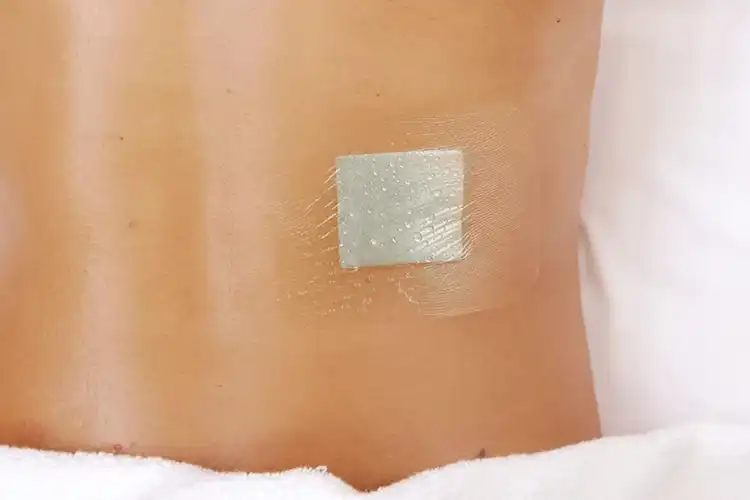
Modern visible catheter securement is a big change in how IV treatment is managed. The advanced medical films are made of hypoallergenic acrylic adhesives designed to be breathable polyurethane materials. They create clean shields around catheter insertion sites while still allowing for constant visual tracking.
New Design and Material Composition Features
The process of making clear IV dressings requires advanced polymer engineering that combines several practical needs. Breathable polyurethane films let moisture vapor pass through while stopping the entry of bacteria, making the perfect setting for healing. The hypoallergenic acrylic glue method makes sure that the attachment is solid without irritating the skin, even when worn for up to seven days straight. These bandages are different from other wound care items because they have a few important design features that set them apart. Because it is clear, healthcare professionals can look at the injection sites without taking off the dressing. This benefit lowers the risk of infection and patient pain. Because they are waterproof, patients can take showers while keeping their catheters safe, which greatly improves their quality of life during treatment.
Sorting through the different types of clear dressing systems
Based on the patient's wants, healthcare centers can pick from different clear dressing arrangements. Standard formulations offer strong protection in controlled settings, while breathable versions help patients whose skin tends to dry out better by managing wetness better. For high-risk patient groups, some makers make versions that are stronger against microbes by adding silver ions or other antimicrobials, which can significantly reduce the risk of infections in patients with compromised immune systems or those undergoing invasive procedures. Customizing the size is another important factor in classification. Most central lines benefit from standard rectangular shapes, while specialty forms cater to specific anatomical needs or catheter setups. Healthcare centers can better manage their supplies and ensure proper coverage for all patients with custom sizing choices.
Clinical Advantages and Performance Gains
The use of transparent catheter dressings leads to measurable improvements in both patient outcomes and organizational effectiveness. Longer wear times make feeding easier while still keeping infections under better control than standard gauze options. The clear border lets problems like invasion, phlebitis, or infection be found quickly and without affecting the cleanliness of the procedure. IV transparent dressings are very comfortable for patients because they are made of a thin, flexible material that molds to the body's shape without making it hard to move. By not having to change the dressings as often, patients are less stressed and in pain, and the catheter stays safe during treatment times.
Applying IV Transparent Dressing: Guidelines and Best Practices
The effectiveness of visible catheter securement methods depends on their correct use. During the application process, healthcare workers must follow strict rules to ensure the best adherence, patient safety, and maintenance of cleanliness.
Preparing for the application and evaluating the site
Preparing the insertion spot well is the first step to successfully applying a clear dressing. Healthcare professionals must clean the area with the right antiseptics and let it dry completely before putting on a covering. Checking the skin for redness, moisture, or damage influences the choice of treatment and its application method. When placing the catheter hub, it's important to be very careful not to cause any strain or movement that could damage the seal. Extra catheter tubes should be properly secured so that the insertion site doesn't have to deal with too much stress while still being easy to reach for drug administration or blood samples.
Application Protocol with Step-by-Step
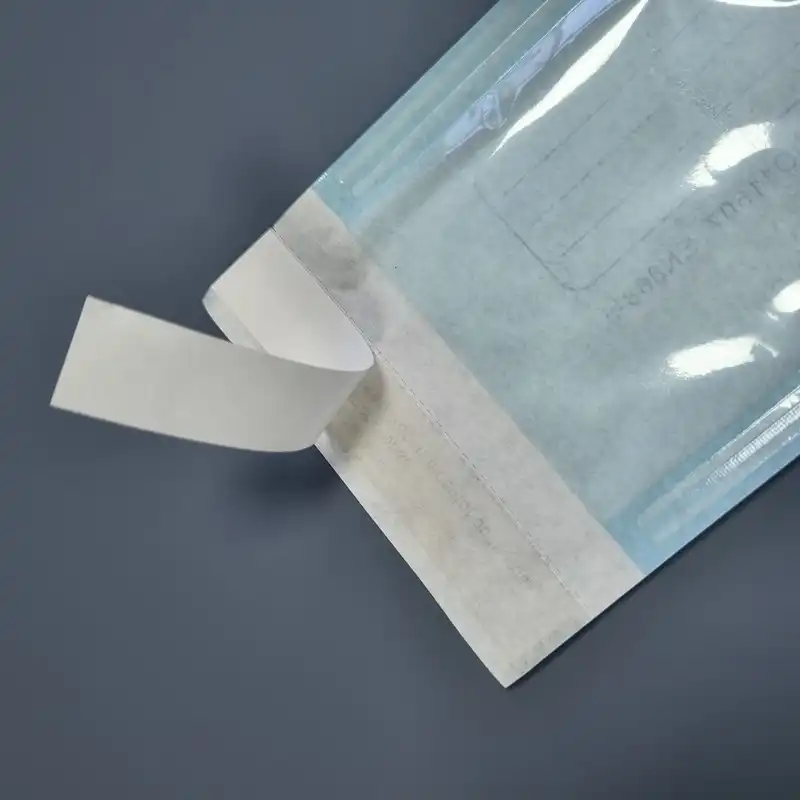
The application method needs careful attention to clean techniques and the right order of steps. As the healthcare provider positions the patch over the injection site, they should slowly peel off the backing material to make sure it is centered. Smooth application from the middle outward gets rid of air bubbles and makes sure that the material sticks well around the catheter hub. When closing the edges, extra care must be taken to keep water or bacteria from getting in. It's important that the edges of the dressing stick to the skin fully, with no holes or lifting that could let germs in. Maintaining a record of the entry date and the planned replacement schedule ensures adherence to both building and government regulations.
Protocols for Maintenance and Monitoring
Constantly checking the stability of the dressing and the state of the insertion site ensures that any problems are found early. When doctors check on a patient regularly, they should look at the dressing for signs of coming loose, collecting moisture, or being dirty, which means it needs to be replaced right away. Teaching patients how to take care of their dressings improves the success of treatment and lowers the risk of problems. Patients should know what activities aren't allowed, what symptoms need medical help right away, and how to keep themselves clean so that the dressing stays in place during the wear time.
Comparing IV Transparent Dressings to Traditional and Alternative Dressings
Traditional gauze bandages have given way to clear options. This is a big step forward in catheter care technology. Healthcare facilities can make better purchasing choices that balance clinical success with operational concerns when they know the comparative benefits.
Using traditional gauge systems to compare performance
Traditional gauze bandages need to be changed often because they don't hold up well against moisture and lose their cleanliness when they move or come into contact with germs in the environment. Transparent alternatives provide better safety and longer wear times, which lowers labor costs, eases patient pain, and improves infection control. You can't say enough good things about how open tools make it easier to see in clinical practice. Healthcare professionals can quickly check insertion sites without breaking sterile walls. This lets them act quickly if problems appear. This ability to measure right away greatly lowers the chance of complications going unnoticed that could lead to dangerous infections or catheter failure.
Adhesive Technology and Performance in Security
Advanced adhesives, used in modern clear patches, adhere effectively without causing skin irritation when removed. For people with sensitive skin, the hypoallergenic qualities make it possible for them to stay safe during treatment. Traditional fastening methods that use tape can irritate the skin and don't protect against moisture well enough. Because polyurethane films are flexible, they can adapt to how the patient moves without affecting the position of the tube or the stability of the dressing. This adaptability is especially helpful in ambulatory care situations, where patients' ability to move around is still crucial to their healing.
How cost-effective and operationally efficient something is
Even though IV transparent dressings may cost more per unit than standard materials, the longer wear time and lower risk of complications make them a better deal for healthcare centers. Less frequent dressing changes mean less time spent caring, less use of supplies, and higher patient happiness rates. When compared to complicated tape and fabric combinations, clear dressing systems make it easier to train staff and cut down on mistakes during application. This consistency raises the level of care while lowering the chance of complications linked to catheters that could make hospital stays longer or require more treatments.
Optimizing Procurement of IV Transparent Dressings for B2B Clients
When healthcare procurement workers have to choose IV transparent dressing suppliers, they have to make tough choices that balance quality needs, legal compliance, and cost concerns. For buying plans to work, they need to carefully look at what suppliers can do and how well their products work, including assessing factors such as product reliability, compliance with healthcare regulations, and overall cost-effectiveness.
Evaluation of Suppliers and Quality Control
Working with certified manufacturers ensures that product quality is consistent and that all supply chain steps comply with regulations. As a minimum, suppliers should show that their products have CE marking, which indicates compliance with European safety standards, and ISO 13485 approval, which is a certification for quality management systems in the medical device industry. More quality certificates and proof of biocompatibility tests give you even more confidence in the safety and efficiency of the product. Inspections of manufacturing facilities and checks of quality systems help procurement teams make sure that suppliers can do what they say they can do and find possible supply chain risks, such as delays in delivery or non-compliance with safety standards. Suppliers with strong quality control systems and well-documented tracking methods give customers more trust in the consistency of their products and their ability to handle recalls when needed.
Customization options and customer service
A lot of the time, healthcare facilities need customized product designs that work in specific clinical settings or with specific patient groups. Customization services for sizes, packing, and labels from suppliers give you more options for managing your supplies and using the products in the clinic. Private labeling helps big healthcare systems recognize brands and get workers familiar with them. Technical support services, such as product training, application advice, and healthcare consultation, are useful in more ways than just supplying products. Suppliers with specialized healthcare support teams can help with planning the implementation, training staff, and making sure that clothing practices are always working better, which ultimately enhances operational efficiency and improves patient care outcomes.
Buying things strategically and keeping track of inventory
Long-term contracts and volume purchasing deals save money and make sure that vital patient care applications always have the supplies they need. Suppliers with flexible buying systems and emergency supply options help healthcare facilities keep track of their stock amounts so they don't run out of supplies, which could put patients at risk. Healthcare facilities can test how well a product works before committing to a large-scale rollout, thanks to sample programs and clinical review opportunities. This review process lowers the chance of choosing the wrong product, which could hurt patients or make operations more expensive.
Future Trends and Innovations in IV Transparent Dressing Technology
The transparent dressing business is always changing because of new healthcare technologies and advances in materials science that promise better results for patients and greater operating efficiency. When procurement workers know about these changes, they can make decisions that set them up for future success.
Using smart dressing technology and monitoring together
New smart dressing systems have sensors that check on the state of the insertion spot and send real-time feedback to healthcare workers. These tools can find early signs of an illness, keep an eye on where the catheter is placed, and let staff know about possible problems before they get worse. Even though they are still in the planning stages, these new ideas point the way for catheter care technology in the future. Integration with electronic health records and patient tracking systems will make it possible to keep detailed logs of catheter site conditions over time and see how they change over time. This data connection helps people make decisions based on facts and supports quality improvement efforts that make care safer and better for patients.
Sustainable Materials and Thinking About the Environment
Environmental safety is becoming more and more important to healthcare facilities when they are buying things. Manufacturers are working on biodegradable, clear dressings and recyclable packaging methods that will cut down on medical trash while still meeting professional performance standards. These environmentally friendly options take care of environmental issues without lowering the level of care or endangering patients. Creating parts that can be used again and again, and using less wrapping material, is another way to help the earth. Manufacturers are looking into new package designs that reduce waste while keeping the integrity of the product during transport and storage, as long as they meet cleanliness standards.
New Biocompatibility and Adhesive Systems
New research into adhesive formulations offers better interaction with skin and fewer allergic reactions in patients who are more likely to have them. These improved methods will offer a more secure attachment and a kinder removal process, which will reduce skin damage and patient discomfort during dressing changes. Antimicrobial glue systems are another exciting new idea that could help lower the number of infections around catheter placement even more. These methods would actively keep bacteria from getting into the catheter while still being clear and flexible, which are important for good catheter care.
Conclusion
Transparent catheter dressings have become important parts of modern central line practices because they protect against infections better, allow more sight, and make patients more comfortable than older options. When you combine modern polyurethane materials with hypoallergenic adhesives and long-lasting wear, you get tools that help healthcare facilities handle problems related to catheters while also running more efficiently. As smart tracking systems and environmentally friendly materials become more common, these gadgets will become even more important for providing better patient care and controlling healthcare costs.
FAQ
What makes transparent IV dressings superior to traditional gauze?
When compared to gauze options, transparent IV patches offer better infection control, waterproof protection, longer wear times (up to seven days), and continuous site viewing without removal. As a shield against germs around catheter insertion sites, the breathable polyurethane material manages wetness.
How long can transparent dressings remain in place?
Under normal circumstances, most clear IV bandages can work for up to seven days. However, they may need to be replaced sooner depending on the patient, the quality of the dressing, or clinical guidelines. The best time for each patient to get a substitute is determined by regular evaluations.
Are transparent dressings suitable for sensitive-skin patients?
These days, clear bandages use nontoxic acrylic glues that are made especially for use on sensitive skin. But people who are known to be allergic to adhesives should be closely watched, and in serious cases, they may need to use different ways to keep things in place.
Partner with Guanma Medical for Superior IV Transparent Dressing Solutions
Guanma Medical offers a complete range of medical device production and customer service, making them a good choice for healthcare facilities looking for trusted, clear dressing makers. Our production methods are ISO 13485 certified to ensure consistent quality, and we can make them to fit the needs of patients in a wide range of healthcare settings.
Guanma Medical's clear IV bandages are made of breathable polyurethane and hypoallergenic acrylic glue that keeps the catheter in place for up to seven days. Our EO sterilization methods and biocompatibility tests make sure that patients are safe, and the CE mark makes sure that we are following all the rules for global delivery.
Email betty@guanmamedical.com to learn more about our clear dressing line and to talk about how you can make our products fit your facility's specific catheter care needs. We are a dedicated IV transparent dressing seller, and we can help your business succeed by giving you technical support, big price benefits, and flexible buying systems.
References
1. Centers for Disease Control and Prevention. Guidelines for the Prevention of Intravascular Catheter-Related Infections. Clinical Practice Guidelines, Healthcare Infection Control Practices Advisory Committee, 2017.
2. Infusion Nurses Society. Infusion Nursing Standards of Practice. Journal of Infusion Nursing Standards and Practice Guidelines, 8th Edition, 2021.
3. Association for Professionals in Infection Control and Epidemiology. Guide to Preventing Central Line-Associated Bloodstream Infections. APIC Implementation Guidelines, 2019.
4. American Organization for Nursing Leadership. Evidence-Based Practice for Central Venous Access Device Management. 2020: Clinical Practice Standards from the Healthcare Quality Division.
5. Joint Commission Resources. Preventing Central Line-Associated Bloodstream Infections: A Global Challenge and Evidence-Based Solutions. Patient Safety Initiatives, Accreditation Standards, 2018.
6. Society for Healthcare Quality. Best Practices in Transparent Dressing Selection and Application for Central Line Management. Quality Improvement Guidelines, Medical Device Evaluation Committee, 2022.